
T-shirt printing has evolved into an art form that blends creativity with technology. Understanding the various printing techniques and their applications can empower individuals and businesses as trends and styles shift. Whether you’re designing promotional merchandise or seeking a personalized wardrobe addition, navigating the world of t-shirt printing entails knowing your options, pricing, and the latest advancements in printing technology. This comprehensive guide walks you through every facet of the t-shirt printing process, providing valuable insights to make informed choices.
Choosing the Right Fabric
Posts on this site may contain brand partnerships, promotional content, or affiliate links. I may earn a commission or fee if you click a link or purchase through these recommendations at no additional cost to you.
The choice of fabric significantly impacts the overall quality of printed t-shirts. Cotton is the go-to material for many because of its breathability and comfort. However, various blends, such as cotton polyester, can offer enhanced durability and wrinkle resistance, making them suitable for activewear. Consider looking at different online stores, including Shirtmax t-shirts, to compare options and prices before deciding. When selecting fabric, consider the end-use of the shirt. For promotional items, sturdy materials can withstand frequent washing and wear, while fashion-forward designs benefit from softer, lightweight fabrics. In recent years, sustainability has played a vital role in fabric choices, increasing demand for organic cotton and recycled materials. Understanding the different fabric properties not only helps ensure comfort but also affects the longevity of the print.
Types of T-Shirt Printing Techniques
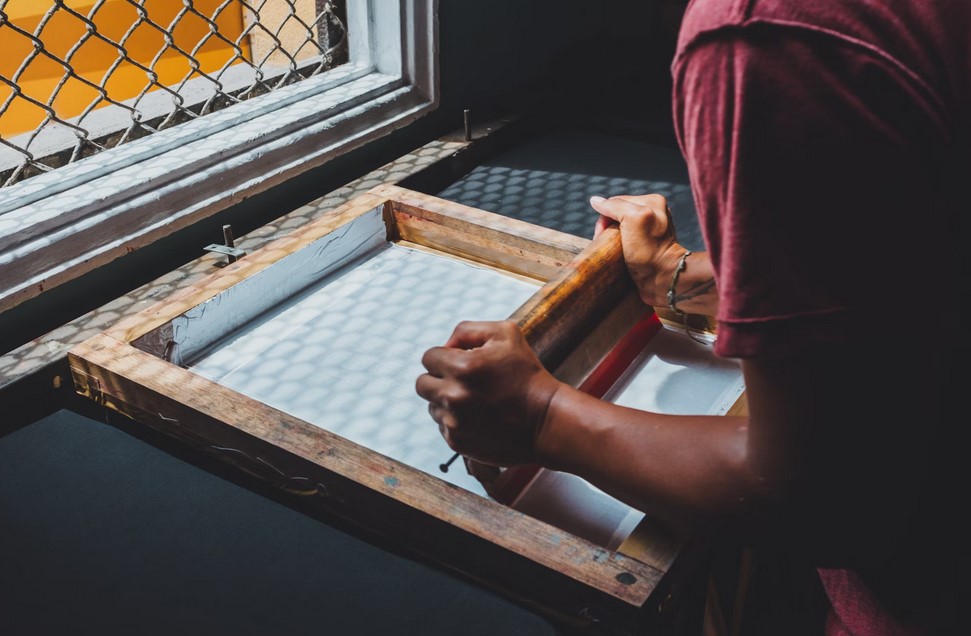
Printing techniques are integral to the quality and feel of the final product. Businesses and consumers are presented with various methods, each with unique advantages. One of the most common techniques is screen printing, which involves pushing ink through a stencil onto the fabric. This method is ideal for bulk orders, as its setup can be time-consuming, but it remains one of the most cost-effective options for larger runs. Another popular choice is digital printing, also known as direct-to-garment (DTG) printing. This method provides high-resolution prints with an extensive color palette, perfect for intricate designs or one-off pieces. Another increasingly popular option is DTF transfer, which offers vibrant, durable prints on a wide range of fabrics without the need for pre-treatment. Understanding these methods is crucial when deciding how to get your ideas onto a shirt.
Designing Your T-Shirt
Creating a captivating t-shirt design is at the heart of any successful printing venture. The design process requires thoughtful consideration of colors, typography, and graphics to resonate with your target audience. Color theory plays a significant role, as different hues can evoke various emotions and reactions. Furthermore, the clarity of your design directly correlates with the printing method chosen. For instance, intricate designs may require digital printing for best results, while simpler graphics work well with screen printing. Once the design is ready, it’s essential to visualize how it translates onto the fabric. Mock-ups can provide a clear idea of placement and scale, enhancing the overall appeal. Engaging with design software or hiring a professional designer are viable options to elevate your concept.
Order Quantities and Pricing
Understanding the pricing structure is essential when ordering custom t-shirts. Many printing companies operate on a tiered pricing model, where the cost per shirt decreases as the quantity increases. For small businesses or events, it may be tempting to place a smaller order to minimize upfront costs; however, this approach can result in higher per-unit costs. Remember that while opting for the lowest price may seem enticing, the printing and fabric quality should also be prioritized to maintain the product’s value.
Understanding Lead Times
Lead times are a crucial aspect of t-shirt printing that can often be overlooked. Typically, the time it takes from finalizing a design to delivery can vary significantly based on the printing method and order size. Screen printing usually requires a longer lead time due to the setup involved, while digital printing may have quicker turnaround times due to its direct nature. Discussing production schedules with your printing company is essential, especially if you have a specific deadline. Late deliveries can impact marketing events, promotional giveaways, or even personal celebrations. Planning and maintaining open lines of communication with your printer can mitigate these risks and ensure a smooth, timely delivery of your products.
Promoting Your Custom T-Shirts
Once your t-shirts are printed, the next step is effective promotion. Depending on your objectives, you may leverage social media platforms or other digital avenues to showcase your designs. Creating visually appealing content highlighting your t-shirts will attract potential customers and generate interest. Additionally, consider engaging with influencer partnerships or local events to expand your brand’s reach. Print advertisements and email marketing campaigns can also prove effective, especially for niche audiences. Ensuring your promotional efforts align with your target demographic will help build brand awareness and maximize sales.
Eco-Friendly Printing Practices
The demand for sustainable practices continues to shape the t-shirt printing industry. Eco-friendly printing methods focus on minimizing negative environmental impacts. For instance, water-based inks are less harmful than their plastic-based counterparts, offering vibrancy and safety. Additionally, utilizing organic or responsibly sourced materials can enhance the sustainability of the final product. Many companies are now adopting eco-friendly practices as part of their mission, enabling consumers to purchase more responsibly. Staying informed about these options allows you to contribute positively to the environment while enjoying personalized apparel.
Working with a Local Printer vs. Online Services
Deciding between local printers and online services can significantly impact your printing experience. Local businesses often allow for more hands-on involvement, from discussing design ideas in person to inspecting fabric samples and proofs. This proximity can enhance communication and expedite the decision-making process. On the other hand, online services typically offer a more comprehensive array of options and competitive pricing due to their volume and scalability. Furthermore, online platforms often come with tools for design customization, making it accessible for those without advanced design skills. Evaluating the pros and cons of each method can help you determine which option better suits your needs and aligns with your personal preferences.
Future Trends in T-Shirt Printing
The world of t-shirt printing is ever-evolving, with technology continuously shaping industry standards. One significant trend is the rise of customization, with consumers increasingly seeking personalized experiences. Advances in digital printing technology allow for quick, on-demand printing, catering to individual needs without requiring extensive inventories. Furthermore, sustainable practices will likely gain traction, with consumers prioritizing eco-conscious products. As augmented and virtual reality gain prominence, their integration into design processes may also emerge, enhancing customer interaction and engagement. Staying abreast of these trends ensures that businesses and consumers remain relevant in this competitive marketplace.
Understanding the ins and outs of t-shirt printing empowers you to make informed decisions, whether for personal expression or business purposes. Knowledge of the various printing techniques, fabric choices, design essentials, and promotional strategies can help you navigate this dynamic landscape effectively. Prioritizing quality, sustainability, and innovation will lead to successful t-shirt projects that resonate with your target audience. Please take the time to research effectively and evaluate options that align with your vision to achieve the best possible results.
