
Posts on this site may contain brand partnerships, promotional content, or affiliate links. I may earn a commission or fee if you click a link or purchase through these recommendations at no additional cost to you.
Good meal prep has nothing to do with forcing down identical lunches five days running. The real goal is a system you can actually stick to, one shaped around your calendar, your grocery budget, and whatever you’re trying to eat more (or less) of. Cook with a bit of foresight, and the payoff is real: less scrambling on busy evenings, fewer takeout orders, and steadier habits. Remote workers, in particular, tend to run their week through planning apps and shared calendars, and anyone signing into work platforms from a home office often depends on a VPN download to keep that connection private while they map out the week’s meals.
Schedule and nutrition goals
Before anything else, look honestly at what your week actually demands. Someone at a desk from home eats differently than someone grabbing lunch between meetings downtown. Tally the breakfasts, lunches, suppers, and snacks you’ll genuinely get through; overshoot, and half of it spoils. Then anchor each meal to whatever you’re aiming for. Canada’s Food Guide suggests building meals around plenty of vegetables and fruit, with whole grains and protein foods rounding out the plate.
Use versatile ingredients
The trick is choosing components that show up in more than one meal. A batch of quinoa, some roasted sweet potato, shredded chicken, and a tray of mixed vegetables can reappear as a grain bowl on Monday, a wrap on Wednesday, and a stir-fry by Friday. Watch for the larger multi-packs at chains like Loblaw, Sobeys, and Save-On-Foods, too, because buying staples in larger quantities usually works out cheaper per serving.
Consider smart storage
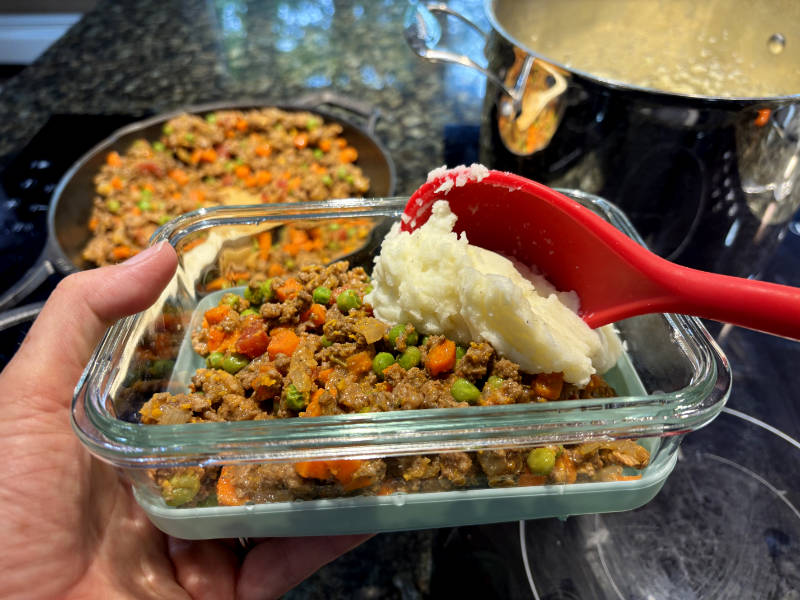
Where a routine tends to fall apart is storage, and it’s worth getting right. Sturdy glass containers, like Pyrex or OXO, travel and reheat better than flimsy plastic, and sealing ingredients tightly buys them extra days. A quick date scribbled on each lid saves guesswork later in the week. Health Canada advises refrigerating leftovers within two hours and using them within two to four days.
Make it sustainable
Whatever you build has to survive a few tired weeks, so don’t over-engineer it. Plenty of people skip cooking full meals in advance and instead prep building blocks, like a pot of soup base, grilled chicken, roasted veggies, or a jar of overnight oats, then assemble as they go. Leaning into what’s in season, whether that’s autumn squash or summer berries, keeps things from getting monotonous.
Ultimately, meal prep should bend around your life, not the reverse. Keep the system modest, pick ingredients that pull double duty, and store everything with a little care. Do that, and it becomes a habit worth keeping rather than a chore to abandon.
