

The concept of a carbon footprint—the total amount of greenhouse gases produced by our daily activities—has become a crucial metric for understanding our personal contribution to climate change. But how can we effectively reduce this footprint?
This article explores six innovative and practical solutions that can help decrease carbon emissions and offer long-term benefits for both the environment and your wallet.
1. Off-Grid Solar Systems
One of the most impactful ways to reduce your carbon footprint is by transitioning to renewable energy sources, particularly solar power.
Posts on this site may contain sponsored content, paid link placements, or affiliate links. I may earn a commission or fee if you click a link or purchase through these recommendations at no additional cost to you.
Complete off-grid solar systems have emerged as a game-changing solution for those looking to minimize their reliance on fossil fuels and conventional power grids. These systems capture energy from the sun and convert it into electricity, allowing homeowners to power their homes independently.
They typically include solar panels, batteries for energy storage, and an inverter to convert DC power to AC power for household use.
Installing such a system can significantly reduce or even eliminate your dependence on grid electricity. This cuts down your carbon emissions and provides energy independence and long-term cost savings.
The beauty of off-grid solar systems lies in their versatility. They can be scaled to fit various energy needs, from powering a small cabin to supporting a full-sized family home. Advances in technology have made these systems more efficient and affordable than ever before.
2. Nutritional Yeast
While energy consumption is a significant contributor to our carbon footprint, our dietary choices also play a crucial role. One innovative way to reduce the environmental impact of our food consumption is by incorporating purely organic nutritional yeast into our diets.
This versatile, nutrient-dense food offers a sustainable alternative to many animal-based products, particularly cheese and other dairy items.
Nutritional yeast is a deactivated yeast grown on molasses, harvested, washed, and dried with heat. It’s rich in protein, vitamins, minerals, and antioxidants, making it an excellent nutritional supplement. Its low carbon footprint compared to animal-based products makes it particularly appealing from an environmental standpoint.
The production of nutritional yeast requires significantly less land, water, and energy than livestock farming. By substituting nutritional yeast for cheese in recipes or using it as a savory seasoning, you can reduce your consumption of dairy products, known for their high carbon footprint due to methane emissions from cattle and the resources required for their production.
3. Solar Energy Storage Solutions

While solar panels are excellent for generating clean energy during daylight hours, the challenge has always been maintaining power when the sun isn’t shining. This is where efficient solar energy storage solutions come into play.
Modern solar battery systems allow homeowners to store excess energy generated during sunny periods for use during nighttime or cloudy days.
This technology not only maximizes the efficiency of solar panel systems but also further reduces reliance on the grid.
The latest solar batteries are more compact, efficient, and affordable. They can be seamlessly integrated with existing solar panel systems or installed as part of a new setup.
| Net Metering: For some setups, it’s possible to send your excess electricity into the grid, and the power provider can pay you for the extra electricity. Your local electricity provider essentially pays you the retail price for the electricity you feed into the system. |
4. Smart Home Technology
By automating and optimizing various household systems, smart home devices can significantly reduce energy waste and, consequently, your carbon footprint. Here’s a look at some top smart home devices designed to reduce energy waste and boost sustainability:
| Smart Device | How It Saves Energy | Additional Benefits |
| Smart Thermostats | Optimizes heating and cooling based on usage patterns | Reduces utility bills and enhances home comfort |
| Smart Lighting | Turns lights off in empty rooms; adjusts brightness as needed | Adds customizable ambiance with energy savings |
| Energy Monitoring Plugs | Tracks and controls energy usage of specific appliances | Identifies power-hungry devices to cut unnecessary usage |
| Smart Blinds | Adjusts automatically to regulate indoor temperatures | Keeps rooms cool during summer and reduces heating needs |
By integrating these technologies, homeowners can achieve substantial energy savings without sacrificing comfort or convenience. In fact, many find that smart home systems enhance their quality of life while simultaneously reducing their environmental impact.
5. Electric Vehicles and Smart Charging

Transportation is a major contributor to individual carbon footprints, with traditional gasoline-powered vehicles being the primary culprit. The shift to electric vehicles (EVs) represents a significant opportunity to reduce emissions from personal transportation.
Modern EVs offer ranges that meet most daily driving needs, and the growing charging station network is making long-distance travel increasingly feasible.
What’s more, as the electricity grid becomes greener with more renewable energy sources, the environmental benefits of EVs continue to grow.
But the innovation doesn’t stop at the vehicle itself. Smart charging technologies are emerging as a way to optimize the environmental benefits of EVs.
These systems can schedule charging during off-peak hours when electricity demand is low, and the grid is more likely to be powered by renewable sources.
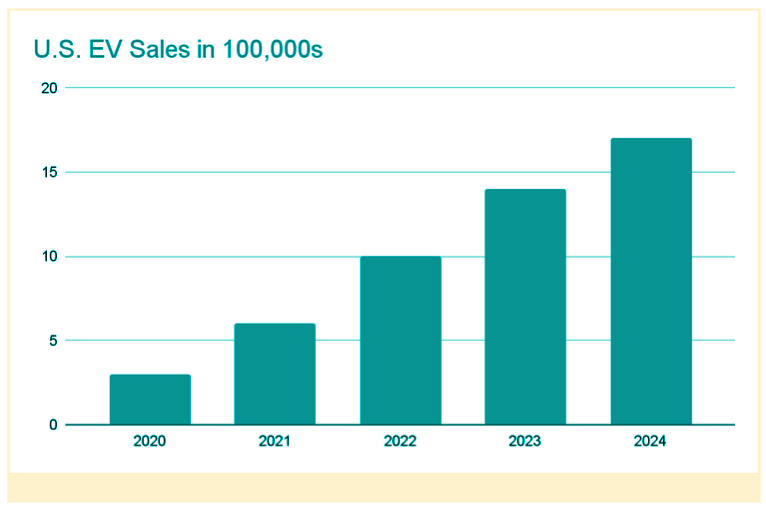
According to the International Energy Agency (IEA), EV sales in the U.S. have grown steadily yearly, from 300,000 in 2020 to 1.7 million in 2024. Based on current worldwide trends, we can save nearly 6 million barrels of oil a day by 2030.
6. Vertical Gardening and Urban Agriculture
Vertical gardening and urban agriculture are revolutionizing how we think about growing food, particularly in urban environments where space is at a premium.
Vertical gardens make use of vertical space on walls, balconies, or specially designed structures to grow plants. This method can produce a significant amount of food in a small area, reducing the need for transportation of produce and the associated carbon emissions. It also helps green urban spaces, improves air quality, and reduces the urban heat island effect.
Urban agriculture goes beyond individual gardening efforts to include community gardens, rooftop farms, and even indoor hydroponic systems. These initiatives not only provide fresh, local produce but also educate communities about sustainable food production and the importance of reducing food miles.
| Next Level Sustainability: These food production methods can be paired with other sustainable efforts to boost their positive environmental impact. For example, poultry farms can use solar energy for heating, lighting, and ventilation systems. |
Enhance Your Life While Protecting the Planet
Reducing our carbon footprint is not just about making sacrifices; it’s about embracing innovations that can enhance our lives while protecting the planet. These six innovations offer practical ways to make a significant impact.
They benefit the environment and often lead to cost savings, improved health, and a greater sense of connection to our communities and the natural world.
