
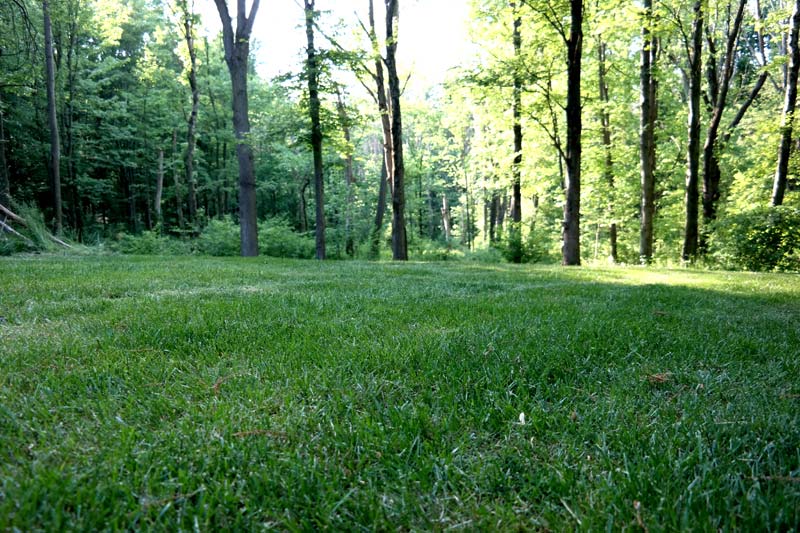
Your backyard has more potential than you might think. With a few smart choices, you can turn it into a thriving, sustainable space that’s good for the planet and your wallet. Eco-friendly gardening doesn’t have to be complicated. It just means working with nature instead of against it. Here are ten simple tips to get you started.
Start With Healthy Soil
Everything in your garden begins underground. Healthy soil means healthy plants, and healthy plants need fewer chemicals to survive. Add compost regularly to improve soil structure, feed beneficial microbes, and boost drainage. If you’re not already composting kitchen scraps and yard waste, now is a great time to start.
Mulch Like You Mean It
Posts on this site may contain sponsored content, paid link placements, or affiliate links. I may earn a commission or fee if you click a link or purchase through these recommendations at no additional cost to you.
Mulch is one of the hardest-working materials in any eco-conscious garden. It holds moisture, suppresses weeds, regulates soil temperature, and breaks down over time to feed your plants. For premium-quality mulch sourced locally, northcountymulch.com is a go-to resource for homeowners who want to do things right. A two- to three-inch layer around your plants can make a noticeable difference in how your garden performs through the seasons.
Collect Rainwater
A simple rain barrel connected to your downspout can save thousands of gallons of water each year. Rainwater is also better for your plants than tap water since it’s free of chlorine and other additives. Position your barrel near your most water-thirsty beds for easy access.
Choose Native Plants
Native plants are adapted to your local climate, which means they naturally require less water, fewer fertilizers, and little maintenance once established. They also support local pollinators like bees and butterflies. Visit your local nursery and ask which plants are native to your region before your next planting season.
Ditch the Chemical Pesticides
Chemical pesticides don’t discriminate. They kill the bad bugs along with the beneficial ones that your garden actually needs. Try natural alternatives like neem oil, insecticidal soap, or companion planting to keep pests in check. Marigolds, for example, are excellent at deterring aphids and other common garden nuisances.
Feed Your Plants Naturally
Synthetic fertilizers can leach into groundwater and disrupt the ecosystem around your home. Instead, use organic options like worm castings, fish emulsion, or compost tea. These feed your plants slowly and steadily without the risk of chemical runoff. Your soil biology will thank you for it.
Practice Smart Watering
Overwatering is one of the most common gardening mistakes, and it wastes a precious resource. Water deeply and infrequently to encourage roots to grow downward rather than staying shallow. Early morning is the best time to water since less moisture is lost to evaporation. A drip irrigation system or soaker hose can also help deliver water exactly where it’s needed.
Invite Beneficial Insects
Not every bug in your garden is the enemy. Ladybugs, lacewings, and ground beetles are natural predators that help control pest populations for free. Plant a variety of flowering herbs like dill, fennel, and lavender to attract and keep these helpful creatures around. A diverse garden is a resilient one.
Reduce Lawn, Expand Garden
Traditional grass lawns consume enormous amounts of water, fertilizer, and fuel to maintain. Consider replacing sections of your lawn with raised garden beds, ground cover plants, or pollinator meadows. You’ll spend less time mowing and more time actually enjoying your outdoor space.
Embrace Yard Waste as a Resource
Fallen leaves, grass clippings, and small branches don’t belong in the trash. Leaves can be shredded and used as a natural mulch layer. Grass clippings left on the lawn return nitrogen to the soil. Larger branches can be chipped into wood mulch or stacked as a brush pile to provide habitat for small wildlife. Thinking of yard waste as raw material rather than a problem shifts your whole approach to gardening.
Eco-friendly gardening is ultimately about building a backyard that sustains itself. The more you invest in the health of your soil, your plants, and the broader ecosystem around your home, the less work your garden will demand over time. Start with one or two of these tips and build from there. Small changes add up quickly, and your backyard will be greener for it.
