
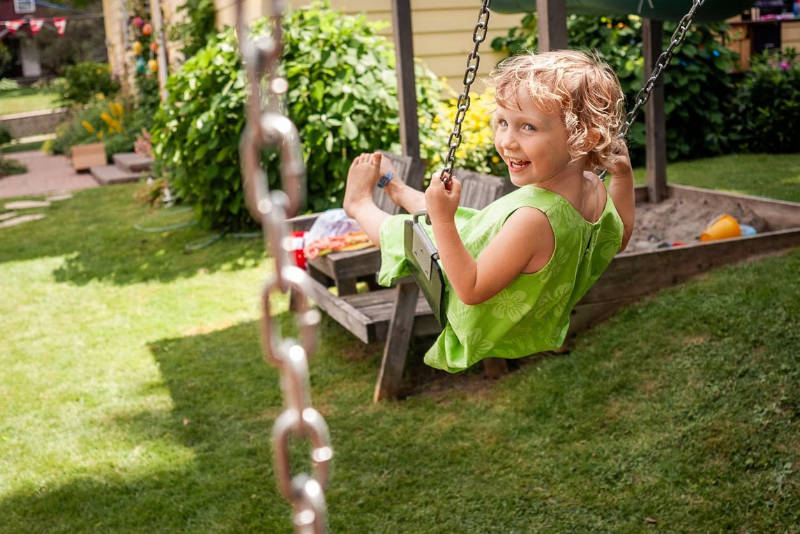
A backyard can be so much more than just a patch of grass; it can be a true extension of your home, a place where family memories blossom. Turning that space into a functional and beautiful oasis that works for both kids and adults is a truly rewarding project.
With a little planning, you can create an outdoor area that encourages play, relaxation, and connection for everyone in the family. It’s about designing a space that grows with you, setting the scene for everything from quiet afternoons with a book to lively birthday parties.
Designing Your Outdoor Haven
Posts on this site may contain sponsored content, paid link placements, or affiliate links. I may earn a commission or fee if you click a link or purchase through these recommendations at no additional cost to you.
Want to create a family-friendly backyard? Start by thinking about how you’d like to use the space, perhaps by building a vegetable garden. A great way to do this is to set up different “zones” for various activities. This helps keep the yard organized and makes sure there’s a spot for everyone, stopping toys from taking over the whole area.
You could have a dedicated play zone with soft ground cover like rubber mulch or wood chips under a swing set or climbing structure. For the grown-ups, a relaxation zone with comfy seating, an outdoor rug, and maybe some string lights can create a perfect spot to unwind.
Think about how things will flow and what you need the space to do. A patio or deck can be a central spot for dining and entertaining. Adding container gardens or a small vegetable patch can be a fun project for the whole family to work on together.
And don’t forget storage! A stylish deck box or a small shed can keep toys, cushions, and garden tools tidy and out of sight. For more ideas, you can find many great examples of family-friendly backyard designs that mix fun and style. The goal is to create a multi-purpose environment that feels exciting for kids and peaceful for parents.
Even a small yard can become a wonderful retreat with the right touches. Use vertical space by hanging planters or mounting trellises for climbing plants. A small water table or a sandbox can keep little ones entertained for hours without taking up much room.
The Role of Trees in Backyard Design
Trees are like the main pillars of a backyard oasis. They give it structure, beauty, and much-needed comfort. Their most obvious perk is shade, which is a must-have on hot summer days. A well-placed deciduous tree can offer cool shade in the summer and then let warm sunlight filter through in the winter once its leaves have fallen. This natural climate control means your patio or play area can be used even during the warmest parts of the day.
Beyond just shade, trees also offer a sense of privacy and seclusion. Planting a row of evergreens or dense shrubs along your property line can create a natural screen, making your backyard feel like your own private getaway. These privacy trees and shrubs not only block views but also help quiet down noise from neighbors or nearby streets.
When you’re picking trees, think about how big they’ll get and their shape to make sure they fit your space without becoming too overgrown. Designing a landscape with trees means considering size, texture, and color to create a balanced and good-looking environment.
Trees also add huge value for kids’ play and connecting with nature. A sturdy tree can host a birdhouse, a tire swing, or simply offer a shady spot for a picnic blanket. They attract birds and other wildlife, giving kids a chance to watch nature up close.
The changing seasons are marked by a tree’s life cycle, from spring blossoms to vibrant fall leaves, offering a living science lesson right outside your door. Thoughtfully adding trees to your backyard plan turns the space from a simple yard into a dynamic, living environment.
Tree Safety for Play Areas
While trees are a fantastic addition to any family yard, safety has to be the top priority, especially where children play. A tree that’s perfect for a swing or a shady canopy over a playhouse needs to be super strong.
Before you put any play equipment near or on a tree, it’s really important to have it thoroughly checked out. Look for obvious signs of trouble like dead or hanging branches, deep cracks in the trunk, or big areas of rot. These tell you the tree might not be stable enough to hold extra weight or stand up to strong winds.
However, many serious tree health problems aren’t obvious to the untrained eye. Internal decay, root issues, or diseases can weaken a tree from the inside out, creating a big danger. That’s why getting a professional assessment is so important. A certified arborist has the know-how to spot these hidden problems and check the overall health and strength of your trees. They can tell you if a tree is safe for a swing and suggest proper, non-damaging ways to install it.
Regular check-ups are key. Plan to have trees in busy or play areas looked at every few years, or right away after a bad storm. An arborist can do professional pruning to remove weak or dead limbs, which lowers the risk of branches falling. They can also tell you which trees are best for play.
For example, strong hardwoods like oak or maple are usually better choices for swings than brittle types. Taking care of your trees proactively makes sure they stay a safe and beautiful part of your family’s outdoor haven.
Seasonal Tree Care for Families
Keeping your trees healthy and beautiful is a year-round job, with different tasks for each season. Getting the kids involved can make it a fun and educational family activity.
Spring: As the weather gets warmer, it’s time to check your trees for any damage that might have happened over winter. This is also the perfect time to prune many types of trees, as it helps new, healthy growth. You can trim away any dead or broken branches and shape the tree for the season ahead. Spring is also when you might want to add a slow-release fertilizer or compost around the base of your trees to give them the nutrients they need to really thrive.
Summer: The main thing to focus on during summer is watering. Young or newly planted trees are especially thirsty and might need a good, deep watering once a week during dry spells to help their roots get established. For older trees, a thorough soaking during long droughts can prevent stress. Summer is also a time to keep an eye out for signs of pests or disease. Look for discolored leaves, unusual spots, or insect infestations and deal with them early.
Fall: Autumn brings those beautiful changing leaves, and with them, the job of raking. You can turn this chore into a game by letting kids jump in the piles before you bag them or add them to a compost bin. Fall is an excellent time to plant new trees, as the cooler air and warm soil give them a great head start. It’s also a good time to put mulch around the base of your trees to protect their roots from the coming winter cold.
Winter: Even though trees are dormant in winter, they still need some attention. You can protect the trunks of young trees from frost and animals with tree guards. After heavy snow or ice storms, gently brush accumulation off branches to stop them from breaking under the weight. The bare canopy in winter also gives you a clear view of the tree’s structure, making it a good time to spot any structural issues that might need professional help in the spring.
Creating a backyard your family will love is an ongoing process of care and creativity. By paying attention to what your outdoor space needs, especially your trees, you can make sure it stays a safe, beautiful, and cherished spot for making memories.
