
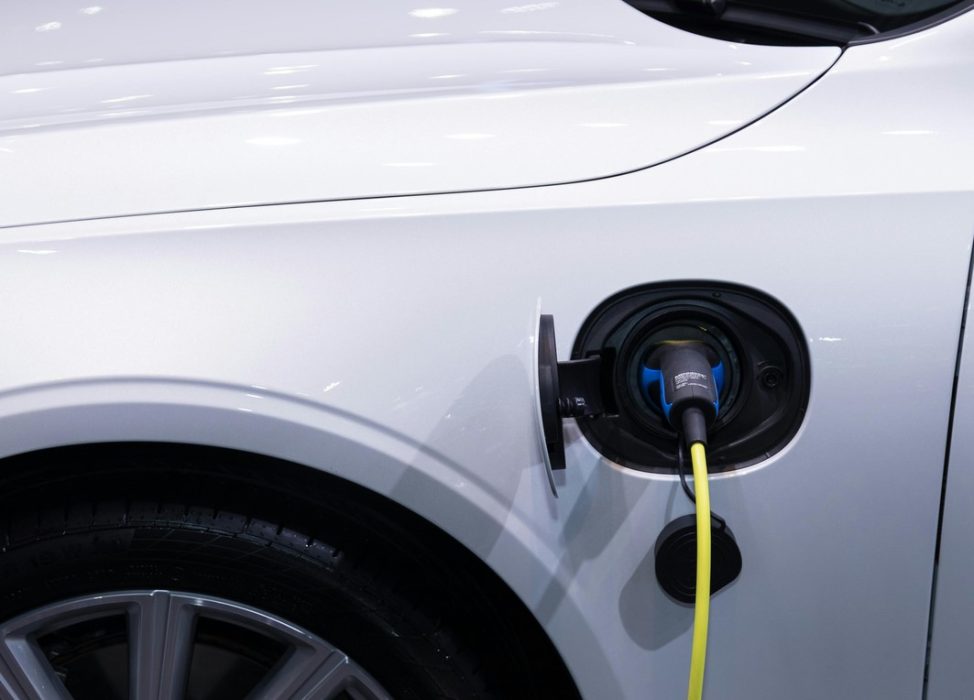
As electric vehicles (EVs) become more accessible and practical, more Americans are warming up to the idea of owning one. According to Gallup News, 51% of US adults either already own an electric vehicle or are open to buying one in the future. For first-time buyers, the switch also requires getting your home ready for efficient charging and long-term EV use.
Posts on this site may contain brand partnerships, promotional content, or affiliate links. I may earn a commission or fee if you click a link or purchase through these recommendations at no additional cost to you.
Although Tesla and BYD dominate the EV conversation, more adventure-seeking drivers are turning to Rivian. The brand is known for its all-electric trucks and SUVs built for rugged performance. If you’re going this route, installing a Rivian EV charger at home adds convenience and reliability for both on- and off-road driving.
In this article, you’ll learn what home upgrades are needed to support your first EV, from garage setup to installing a reliable charger.
Check Your Home’s Electrical Readiness
Before installing a charging station, first assess your home’s electrical system. This step is vital for both safety and efficiency, not just convenience. Your main electrical panel, or breaker box, plays a central role in supporting your EV charging needs.
If your panel is outdated or nearly full, an upgrade may be needed for a 240V Level 2 charger. ChargerPro advises hiring a licensed electrician to evaluate and guide installation. Pick a safe, accessible spot based on climate and parking habits.
According to the US Department of Transportation, Level 2 chargers use 240V for faster AC charging in homes, workplaces, and public areas. They are common for residential use. A Level 2 charger can charge a BEV to 80% in 4–10 hours and a PHEV in 1–2 hours.
Choose the Right Home Charging Setup
Choosing the right home charging setup means balancing speed, cost, and driving habits. Level 1 chargers use standard 120-volt outlets but charge very slowly, sometimes taking days. For most EV owners, a faster and more practical option is a Level 2 charger.
You’ll also need to choose between a smart or dumb charger. Smart chargers connect to Wi-Fi, which enables energy tracking, off-peak scheduling, and utility incentives. While dumb chargers are basic and plug-and-play, smart chargers offer greater control and long-term advantages.
According to a J.D. Power survey, 60% of Level 1 users plan to upgrade to a Level 2 charger. Satisfaction significantly increases with this move, which rises 179 points from 561 to 740. Choosing a Level 2 setup greatly enhances the home charging experience in both speed and user satisfaction.
Hire a Certified Electrician for Safe Installation
Installing a home EV charger should be left to a certified electrician to guarantee safety, proper code compliance, and efficient operation. A qualified professional will evaluate your electrical panel, set up the correct circuit, and safely install the charger. They also handle permits and ensure all local regulations are met.
Incorrect installation may cause safety hazards like fires, damage your charger, or void its warranty. Hiring a certified electrician helps you avoid these risks and ensures the job meets code requirements. It also provides confidence that your EV charging setup is secure, dependable, and ready for consistent, worry-free use every day.
Upgrade Your Garage or Parking Area
Garage Living notes that preparing your garage for an EV means more than just installing a charger. You also need enough space to park and access the charger easily. However, many homeowners can’t park inside due to clutter. In fact, 20–25% of garages are too packed for a car.
To fix this, consider adding smart storage solutions like slatwall panels, cabinets, and ceiling-mounted racks. These upgrades help clear the floor and make the most of your garage space.
Homes without a garage can benefit from a covered carport or a weather-resistant wall-mounted charger. These additions allow for safe, reliable charging in all seasons. Upgrading your setup also improves accessibility and helps future-proof your property as electric vehicle ownership continues to grow across neighborhoods and communities.
Take Advantage of Local Incentives
Many states, cities, and utility companies offer incentives to support EV adoption and lower home charging costs. These may include rebates for Level 2 charger installation, tax credits, and discounted off-peak electricity rates. Some programs also help cover permit fees or panel upgrades. Check local government or utility websites to explore available options in your area.
For example, the Alternative Fuels Data Center highlights CALeVIP, which offers funding and guidance for EV charger programs across California. Level 2 chargers under this program must be ENERGY STAR certified. In El Dorado County, residents can receive rebates of up to $300 for purchasing a Level 2 charger.
Plan Ahead for Future EV Needs
As EV technology advances, planning for future needs can help you avoid costly upgrades later. Even if you currently own one EV, consider a setup that supports multiple vehicles or higher-capacity chargers. Opt for scalable equipment like load-sharing chargers or smart systems that work with solar panels or battery storage.
Planning for future EV use, like adding a second vehicle or upgrading to one with a larger battery, keeps your home charging system efficient. Preparing now reduces the need for costly upgrades later. This forward-thinking approach ensures a smoother transition as electric vehicle adoption continues to accelerate in the coming years.
Frequently Asked Questions
Can I install an EV charger myself?
You can technically install a Level 1 charger yourself, but Level 2 chargers usually require a licensed electrician. DIY installation can violate codes, create safety hazards, or void warranties. Professional installation ensures safe wiring, code compliance, and long-term charger performance.
Can I use solar power to charge my EV at home?
Yes, you can charge your EV at home using solar power by installing panels with a compatible charger or inverter. This setup lets you generate clean energy and lower your electricity bills. It also helps reduce your carbon footprint for eco-friendly driving.
Should I upgrade my garage’s insulation or ventilation for an EV?
Improving your garage’s insulation or ventilation helps regulate temperature, especially in extreme climates. Insulation shields charging equipment from temperature fluctuations, while ventilation prevents overheating. These enhancements boost safety, safeguard your EV system, and support a more energy-efficient, comfortable charging environment.
Smart Steps to Welcome Your EV
Bringing home your first EV is a major step. It requires careful planning for safety, efficiency, and long-term use. Preparing your home smartly means reliable charging and peace of mind. You’re not just supporting your EV, you’re embracing cleaner energy, reducing emissions, and future-proofing your lifestyle.
Thoughtful upgrades today lay the foundation for a greener tomorrow and a smarter, more sustainable way to drive every day.
