
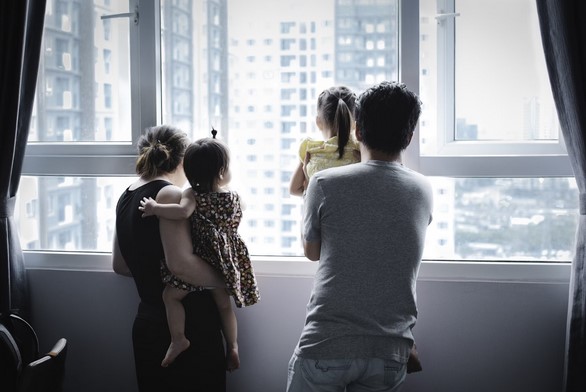
Singapore is a family-friendly destination known for its safe, clean, and multicultural environment. It offers a high quality of life, excellent public transportation, and a strong economy that attracts global talent.
While the cost of living can be high, many families find the trade-off worthwhile due to better educational options and a strong sense of security. Children benefit from a wide range of recreational activities and a welcoming community.
To ensure a smooth transition, plan carefully around key areas like school selection, housing, budgeting, and maintaining connections. Let’s start by exploring Singapore’s education landscape for children.
Understanding the Education Landscape in Singapore
Singapore offers one of the world’s top education systems, known for its rigorous and merit-based curriculum. Expat families benefit from numerous international schools that support smooth academic transitions with global programs like the IB.
While expat children can attend public schools (taught in English), they aren’t subsidized and must pass placement assessments. Many opt for international schools due to their inclusive environment, familiar curricula, and global community.
Key considerations when choosing a school include curriculum, fees, location, and reputation. Touring schools and consulting online resources or expat communities can help parents make informed decisions. Note that academic calendars vary between international and local schools.
Co-curricular activities (CCAs) are encouraged across all schools to promote well-rounded development. Singapore’s top-tier universities, like the National University of Singapore (NUS), further enhance its appeal for families seeking quality education.
Planning for a Smooth Home Relocation Experience
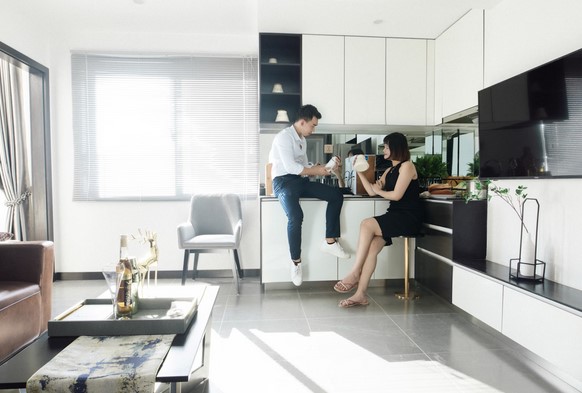
Initiating your moving process early with a detailed checklist can significantly reduce stress and streamline logistics. Here are some key tips for a smoother move:
- Declutter belongings before packing to minimize moving costs and create a more organized space in your new home.
- Hire reputable moving services to make the relocation process smoother and more efficient.
- Clearly label all packed boxes to facilitate easier unpacking and organization in your new home.
Securing family-friendly housing is a key priority for those relocating to Singapore. Choosing neighborhoods near international schools ensures convenience, with safety, amenities, and proximity being top concerns. Always inspect both old and new homes, and update your address with banks, utilities, and key contacts to prevent disruptions.
Serviced apartments offer a hassle-free temporary solution, as they’re fully furnished and ideal during the transition. Understanding rental terms and preparing a box of essentials for moving day can further ease the process.
Setting Up a Study-Friendly Home Environment

Creating a productive study room for children in a new environment begins with selecting a quiet, distraction-free location. A calm and organized space helps children concentrate better and stay engaged with their studies. Natural lighting can boost their mood and energy levels, making study sessions more effective and less tiring.
Ergonomic furniture plays an important role in this setup. Providing chairs and desks that support proper posture helps children stay comfortable and focused, promoting long-term physical health as well as mental clarity. Equally important is maintaining a tidy and well-arranged study area.
When school materials and supplies are easy to find, children can stay on task and remain motivated. Adding personal touches, such as decorations or favorite books, can make the space feel more inviting and help create a sense of ownership.
Posts on this site may contain brand partnerships, promotional content, or affiliate links. I may earn a commission or fee if you click a link or purchase through these recommendations at no additional cost to you.
Mobile devices are essential tools for students. Smartphones and tablets allow children to access educational apps, take notes, attend virtual classes, research topics, and stay in sync with school platforms—whether they’re at their desk or on the go. M1 offers a wide range of family-friendly mobile plans and the latest smartphones, providing the mobile flexibility kids need during travel, after-school programs, or when studying outside the home.
By creating a comfortable, organized, and tech-ready study space—and pairing it with the right tools families can set the foundation for academic success in their new Singapore home.
Staying Connected and Tech-Ready
Singapore is renowned for its extensive 5G networks and advanced digital infrastructure, making it one of the most connected cities globally. Staying digitally connected helps newly relocated families maintain contact with schools, manage digital homework, and access educational resources.
Most modern smartphones can support eSIM technology, making it accessible for a wide range of devices in Singapore. eSIMs eliminate roaming charges and allow users to maintain their home number while utilizing local data. This flexibility is particularly beneficial for expatriate families who need to stay connected with family members and friends back home.
Additionally, technology plays a key role in enhancing the learning experience for children. Reliable internet connectivity allows students to participate in online classes, access digital homework, and use educational apps. Reliable internet connectivity allows students to participate in online classes, access digital homework, and use educational apps. Maxx offers affordable and flexible mobile data plans that are ideal for families needing strong and reliable connectivity in Singapore. With the right tech setup, families can enjoy a smooth and connected lifestyle in their new environment.
Adapting to Life as an Expat Family
Adapting to life in a new country involves both logistical arrangements and emotional and social adjustments. Participating in the following can be crucial for expatriate families settling into Singapore:
- Family-oriented activities
- Community forums
- Local summer camps
- Social clubs
These activities help foster connections and friendships among expat groups and new friends’ children.
Cultural adaptation is key to a smooth transition. Learning basic local phrases can enhance daily interactions and help expatriate families navigate the local culture more easily. Respecting local norms can make the adjustment period smoother for both parents and children.
Education is a crucial concern for expatriate families, with many international schools having competitive admissions processes. Finding suitable accommodation is also a priority, as property prices can vary significantly by location. Syncing family activities with international school public holidays in Singapore can help in planning trips and engaging in family activities during school breaks. Syncing family activities with Singapore international school public holidays can help in planning trips and engaging in family activities during school breaks.
The relocation journey can present unique challenges, but with the right support and a positive mindset, expatriate families can enjoy exciting adventures and build a fulfilling life in Singapore while moving abroad. Embracing the new culture and making an effort to connect with other expats can enhance the overall experience.
Conclusion
In conclusion, relocating to Singapore with children involves thoughtful planning and preparation. From selecting the best international school and finding family-friendly housing to setting up a study-friendly home and staying connected digitally, each step is crucial for a smooth transition. Embracing the rich cultural diversity and making an effort to connect with the expat community can enhance the overall experience. With the right approach, families can look forward to an exciting and fulfilling new chapter in Singapore.
Frequently Asked Questions
What are the schooling options available for expatriate children in Singapore?
Expatriate children in Singapore can attend both private and public schools, with many families opting for international schools due to their global curricula and inclusive environments. This diversity in schooling options ensures that expatriate children can receive an education that meets their needs and preferences.
How can we find family-friendly housing near international schools in Singapore?
To find family-friendly housing near international schools in Singapore, focus on researching neighborhoods that prioritize safety, proximity to the schools, and essential amenities. This will ensure a suitable living environment for your family.
What are the key considerations for setting up a study-friendly home environment for children?
To create a study-friendly home environment for children, it is essential to select a quiet area with minimal distractions, utilize ergonomic furniture, ensure proper lighting, and keep the study space organized. These factors significantly enhance focus and productivity.
How can expatriate families stay digitally connected in Singapore?
Expatriate families can stay digitally connected in Singapore by selecting appropriate internet plans and establishing reliable home broadband, alongside utilizing eSIM technology for flexible mobile connectivity. This approach ensures they maintain communication and access to resources effortlessly.
What are some ways expatriate families can adapt to life in Singapore?
Expatriate families can effectively adapt to life in Singapore by engaging in family-oriented activities, learning basic local phrases, respecting local customs, and connecting with the expat community. These approaches will facilitate a smoother transition into their new environment.
