
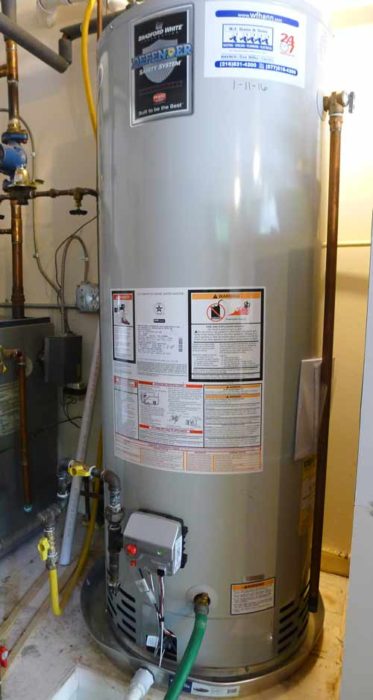
Choosing a new water heater affects your comfort, energy bills, and daily routine. The right unit provides reliable hot water and saves money. A water heater is a long-term investment, so a little research now can prevent problems later.
These tips will help you compare options and avoid common mistakes. Continue reading to discover everything you need to know!
Different Types of Water Heaters
There are various types of water heaters to consider:
• Storage water heaters
• Tankless water heaters
• Heat pump water heaters
• Solar water heaters
Think about your home’s layout, climate, and budget before choosing a type.
Look for Reliable Installation and Maintenance
Even a good water heater can fail early if it is installed incorrectly. Choose licensed and insured plumbers like https://knightsplumbingllc.com/ with experience in your type of water heater. Ask about permits, local codes, and warranty requirements.
Many manufacturers require professional installation to keep the warranty valid. For maintenance, a tank water heater should be flushed once a year to remove sediment.
A tankless unit may need descaling every year or two in hard water areas. Check the anode rod in a tank unit every few years and replace it when worn.
Compare Upfront Costs and Long-Term Savings
The purchase price is only one part of the total cost. Installation can vary based on the type of unit and your home’s setup. A simple replacement costs less, and switching from a tank to a tankless system may require new pipes, vents, or wiring.
Get written estimates from at least two contractors before you decide. When comparing local service options, review what each estimate includes, such as removing the old unit or adding a drain pan. A higher installation cost may be worth it if the unit is more efficient or the contractor offers a longer warranty.
Consider Fuel Type and Energy Efficiency
Water heaters run on electricity, natural gas, propane, or solar energy. Gas and propane units heat water faster, but they may need venting. Electric models are simpler to install but can cost more to run.
Some homes may not have access to natural gas, so check what fuel sources are available before narrowing your options. Heat pump and solar units cost more upfront, yet they use much less energy over time.
Check the yellow EnergyGuide label before you buy. Look for the Uniform Energy Factor, or UEF: a higher UEF means better efficiency and lower monthly bills.
Get the Right Size for Your Household
A unit that is too small will run out of hot water, while a unit that is too large will waste energy. For a storage tank, check the first-hour rating, or FHR: a family of two may need an FHR of 45 to 55 gallons, a family of four may need 60 to 70 gallons, and larger families may need 80 gallons or more. If you are unsure about your peak hot water demand, a plumber can calculate the right size.
For a tankless water heater, check the flow rate in gallons per minute, or GPM. Add up the flow rates of the fixtures you use at the same time. A shower and a washing machine together may need at least 4 GPM. Choosing the right size prevents cold showers and wasted energy.
Making the Right Water Heater Choice
Choosing the right water heater comes down to understanding your hot water needs, fuel options, budget, and long-term costs. Compare types, check efficiency ratings, and get professional advice. A well-chosen water heater provides steady hot water and peace of mind.
If you are interested in similar articles, don’t hesitate to check out our blog.
Comment Via Facebook
