

The dishwasher picks the worst possible week to start leaking. The breaker trips during a birthday party. A slow drain turns into a flooded bathroom floor while everyone’s asleep.
None of these things happen out of nowhere. Most home breakdowns give small warning signs for weeks before they turn into an actual emergency, and most of us miss every single one of them.
The Systems Nobody Thinks About Until They Fail
Every home runs on a handful of systems working quietly in the background: appliances, plumbing, and electrical. Nobody thinks about any of them until one stops cooperating at the worst possible moment.
Posts on this site may contain sponsored content, paid link placements, or affiliate links. I may earn a commission or fee if you click a link or purchase through these recommendations at no additional cost to you.
A lot of these systems live in places we rarely look, tucked behind walls, under floors, or down in a crawl space. A closer look at how different house foundations affect where plumbing and electrical actually run makes it obvious why some homes have easier access for repairs than others, depending on how they were built in the first place.
A solid maintenance routine starts by acknowledging these systems exist at all, since most of us only think about them once something’s already broken.
Appliances: The Maintenance Most People Skip
Refrigerators, washers, and dishwashers all have small maintenance tasks that almost nobody does. Cleaning a dryer vent, checking a fridge’s door seal, or clearing a dishwasher’s filter all take a few minutes and can add years to an appliance’s life.
Strange noises, longer cycle times, or a slight smell are usually the first signs something’s off, well before a full breakdown happens. Catching these early usually means a quick fix instead of a full replacement.
When something does go beyond a simple fix, knowing who to call ahead of time saves a lot of stress later. For anyone in the area, having trusted appliance repair Auckland specialists like SB Appliances already saved in your phone means one less thing to figure out during an actual breakdown.
Plumbing: Small Leaks Turn Into Big Problems
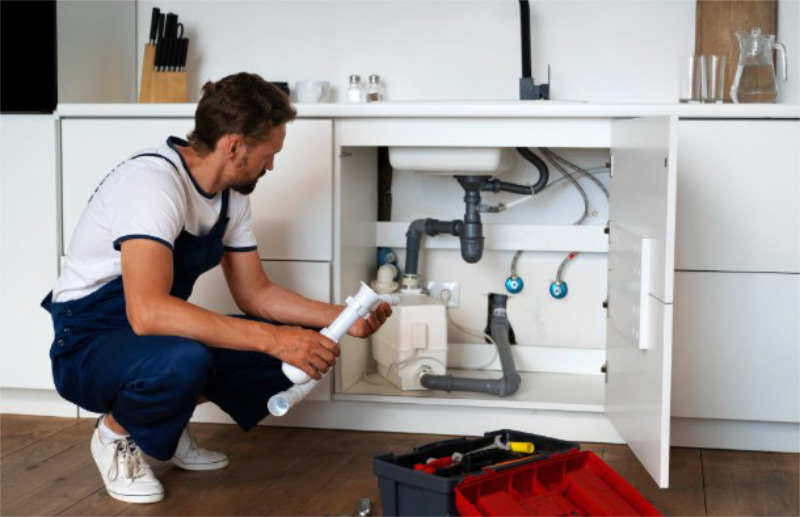
A slow drip under the sink seems harmless until you notice the cabinet floor has gone soft. Water damage rarely announces itself loudly, it just quietly gets worse until it’s an expensive problem instead of a five-minute fix.
Checking under sinks, around toilet bases, and near the water heater every few months catches most issues while they’re still small. A slight smell of mildew or a faint water stain on a ceiling below a bathroom are both worth investigating immediately, not eventually.
We learned this one firsthand after ignoring a small stain on our laundry room ceiling for longer than we should have, assuming it was old and unrelated to anything current. It turned out to be a slow leak from a bathroom directly above, and by the time we caught it, part of the subfloor needed replacing along with the ceiling.
That kind of delay is exactly what a basic seasonal check is meant to prevent. A few minutes spent looking under sinks and around visible pipework costs nothing, while ignoring the same areas for a year or two can turn into a repair bill nobody budgeted for.
Water heaters deserve the same attention, since a slow leak at the base often gets mistaken for condensation until it’s been quietly damaging the surrounding floor for months. A quick visual check every season catches most of these problems while they’re still an easy fix.
If you spot a small puddle, do not ignore it. Minor drips can escalate into major flooding faster than you might think. Recognizing when a problem is beyond a simple DIY fix prevents expensive water damage.
For bigger jobs or anything involving main lines, it helps to already know who does reliable work nearby. Keeping the number for an affordable plumber Palmerston North homeowners trust, like Uneeda Plumber, means a burst pipe doesn’t turn into a frantic search for help.
Electrical: The One System You Really Don’t DIY
Flickering lights, warm outlets, or a breaker that trips more often than it used to are all signs worth taking seriously. Electrical issues are one category where waiting to see if it gets worse is genuinely a bad idea.
Unlike a leaky faucet, electrical problems carry real safety risk, and this is the one area of home upkeep where professional help matters more than DIY effort. An outlet that’s warm to the touch or a persistent burning smell should mean calling someone immediately, not adding it to a weekend project list.
Older homes are especially worth paying attention to here, since wiring installed decades ago wasn’t built with today’s number of appliances and chargers in mind. A panel that trips regularly isn’t just inconvenient, it’s often a sign the system is being asked to handle more than it was originally designed for.
Upgrading heavy appliances like air conditioners or induction cooktops often pushes legacy electrical systems past their limit. Adding dedicated circuits prevents unexpected overloads and keeps power flowing safely to every room without damaging your expensive electronics.
It’s also one of the few home systems where a small mistake can have serious consequences rather than just an inconvenient one. That’s exactly why this is a category worth handing to a licensed professional every time, rather than treating it like a weekend project to save on a call-out fee.
A yearly check of the main panel and any visibly aging outlets is worth the small cost, especially in a home more than twenty years old. Catching a loose connection or an outdated breaker during a routine check is far less stressful than discovering it during an actual fault.
Having a reliable name already on hand makes this easier when it actually matters. A trusted electrician on the north shore, like the team at Brady Electrical, is exactly the kind of contact worth saving before you need it, rather than searching under pressure during an actual issue.
Building a Seasonal Home Maintenance Checklist
Spreading maintenance tasks across the seasons keeps any single month from feeling overwhelming. Spring is a good time for gutter cleaning and checking exterior seals, while fall is better suited to furnace checks and weatherproofing before the cold sets in.
A home that adjusts over time needs this kind of ongoing attention built in, not just handled once and forgotten. As covered in a piece on updating a home to fit every stage of family life, the small, consistent updates matter just as much as the big renovations everyone notices.
Keeping a simple list, even a basic note on your phone, turns a home maintenance checklist from a good intention into something that actually gets done. The families who stay ahead of small repairs tend to spend far less on emergency ones.
When to Call a Pro vs. When to Wait
Some things genuinely can wait a few days, like a squeaky cabinet hinge or a slightly loose doorknob. Others, like anything involving water pooling near outlets or a strange electrical smell, need attention immediately regardless of how inconvenient the timing is.
The general rule that’s served our family well: if it involves water and electricity together, or if a delay could make the problem meaningfully worse, it’s worth calling someone right away. Everything else can usually wait for a weekend.
Where This Leaves Busy Households
Keeping a home running well isn’t about being a handyman or having endless free time. It’s mostly about paying a little attention before something becomes an emergency, and knowing who to call when it’s genuinely time to bring in help.
A home maintenance checklist doesn’t need to be complicated to work. It just needs to actually get looked at more than once a year.
Questions About Staying Ahead of Home Repairs
How often should appliances get basic maintenance checks?
Most major appliances benefit from a quick check every three to six months, focusing on filters, seals, and vents. This catches small issues long before they turn into a full breakdown.
What are the clearest signs of a plumbing problem before it gets serious?
Slow drains, a faint musty smell, or any soft spots around cabinets and floors are early warning signs worth investigating right away. Waiting on these almost always costs more later than addressing them early.
Is it ever okay to handle electrical issues without a professional?
Simple tasks like replacing a light switch cover are fine for most homeowners. Anything involving wiring, breakers, or outlets that feel warm should go straight to a licensed electrician, since the safety risk isn’t worth the savings.
