
Posts on this site may contain brand partnerships, promotional content, or affiliate links. I may earn a commission or fee if you click a link or purchase through these recommendations at no additional cost to you.
Pest issues will quickly turn a successful rental property into a lawsuit waiting to happen. A landlord is legally responsible for pest control if structural issues are the main cause. So when an infestation happens due to cracks or water damage, you could be on the hook.
Although your tenant’s behavior may also contribute to a pest issue, a general lease that does not clearly outline what the tenant must do to prevent pests leaves the door open for them to claim negligence.
To draw clear lines, this article will clarify the “implied warranty of habitability”, the responsibility of the tenant, and how including a solid pest control provision within your rental agreement provides you with protection from liability claims.
Landlord’s Duty on Implied Warranty of Habitability
The first part of your legal responsibility is the implied warranty of habitability, which means you promise that the apartment will be safe for your tenants to occupy.
The courts have interpreted habitability to mean that the landlord has an obligation to keep the unit free from vermin (pests). This is most important if there is evidence that structural problems were responsible for creating an environment where pests thrive.
Failing to do something about pest control, then your tenants can choose to stop paying their rent, pay for repairs themselves, and take it out of your security deposit money. They can even call the local housing codes department to enforce the law.
The core of your responsibilities for controlling pests includes:
- Sealing all cracks, holes, etc., through which pests could enter
- Fixing all plumbing leakages and moisture-related issues that would attract pests
- Providing a pest-free dwelling upon delivery to new tenants
- Promptly responding to complaints by using professionals to treat pest infestations
However, the law presumes that the tenant is liable for any damages caused by his/her own poor housekeeping practices. But again, as the landlord, you begin with a “presumption” of responsibility. Therefore, document all inspections and repairs to provide proof of compliance.
Tenant’s Responsibility and Cleanliness
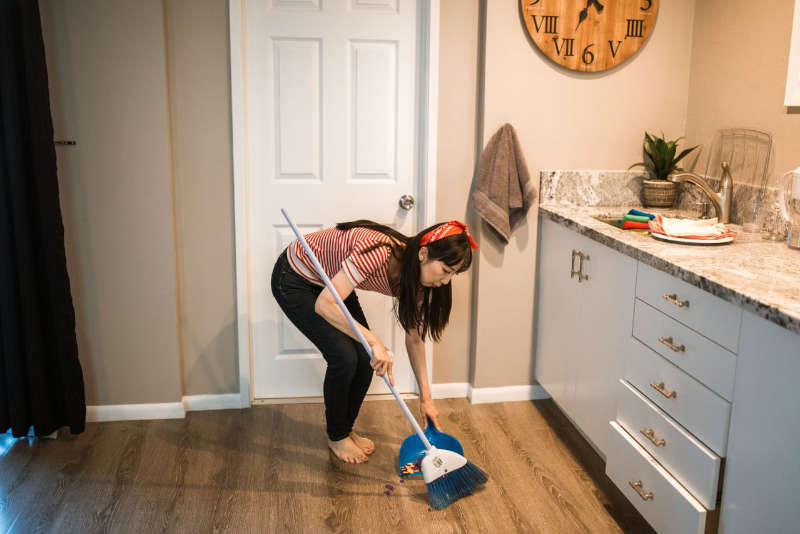
Your tenant also has a significant responsibility for stopping pest infestations. A landlord is entitled to assume that their tenant maintains some degree of cleanliness. If a tenant does not meet this duty of cleanliness, then he/she will be held accountable, in terms of costs, if pest problems arise due to the tenant’s lack of cleanliness.
Below are 5 responsibilities that you have for maintaining cleanliness to avoid pest problems:
Store All Food in Sealed Containers
Leaving cereal boxes or other food items open and exposed to ants, cockroaches, mice, or rats is inviting them to stay. Dry goods such as pasta, rice, etc., should be placed in sealed containers (glass or plastic) at all times. Pet food should never sit outside overnight; even one forgotten snack item or candy wrapper may create an infestation.
Maintain Daily Kitchen and Bathroom Cleanliness
Counters wiped down, floors swept, grease spills cleaned up, etc., remove the small amounts of food residues that household pests eat off of. Because bathroom sink areas tend to collect moisture and soap scum, silverfish and drain flies thrive in those locations. Wipe down each area you use in the kitchen/bathroom every evening to prevent virtually all household pests from colonizing.
Dispose of Trash Correctly and Frequently
Overflowing bins and trash that is not bagged create an ideal environment for flies, maggots, and mice to breed. Tenants must use bins with tight-fitting lids, remove garbage daily to outdoor receptacles, and never leave trash bags on balconies or patios. This easy habit removes both food and shelter from pests and greatly reduces the risk of infestation.
Report Leaks and Moisture Immediately
Leaky faucets, damp water running through your plumbing system, and condensation on windows provide the wet environment roaches and termites need to thrive. Tenants should inform you of any leak as soon as it occurs. Reporting leaks/preventing excessive moisture right away prevents mold and pest colony growth and protects you by identifying structural issues before they become costly repairs.
Manage Pet Areas with Strict Hygiene
Unchanged litter boxes and scattered pet kibble attract flies, ants, and rodents. Tenants must scoop waste daily, vacuum fur and dander, and store pet food in sealed metal or heavy plastic containers. If you neglect the pet feeding station, you will undo every other effort at keeping pests under control in the unit overnight.
Importance of Having a Pest Control Clause in the Lease
A handshake is no substitute for paperwork. A lease agreement will be the only document that has the power to stop pest-related disputes and unexpected invoices. Below are some reasons why the pest control clause in your rental property’s lease agreement is so important.
Clarifies Financial Responsibility Upfront
This section allows you to specify that tenants are responsible for any costs associated with pest infestations they cause (i.e., fleas from their unauthorized pet, cockroaches from their unsanitary habits), while the landlord pays for any damage/repairs caused by structural problems within the building.
In either case, having specific language outlining who is responsible for what at the beginning of tenancy helps avoid confusion upon receipt of the extermination service invoice.
Prevents Costly Legal Ambiguity
If the lease agreement does not have specific wording regarding pest control (or any other type of issue), a judge could potentially rule based on the “implied warranty of habitability”. This would likely result in you being held responsible for both tenant-caused pest issues and any structure-related pest issues.
By including language in your lease agreement that acknowledges the shared responsibility of both parties, you demonstrate to all parties involved that everyone understands the terms of the agreement and provide evidence that the burden of proof lies with both parties.
Allows Swift Mandatory Tenant Reporting
Your clause may also require tenants to notify you of infestations within 48 hours. If tenants fail to do so, what could have been just a small issue with a couple of bugs becomes a larger problem, which could lead to significant structural issues (e.g., drywall, wiring) that will be costly to repair.
In many cases, when tenants finally contact us about pests, it has already caused greater and more expensive damage. Therefore, including clear language in the lease regarding responsibility for identifying pests as part of their responsibilities will motivate them to take immediate action to prevent further damage to our property.
Protects Against Bed Bug Liability
Bed bugs are a legal nightmare due to the difficulty in determining the origin of the infestation. The inclusion of a clause in your lease that assigns responsibility for disclosing the existence of bed bugs before moving in, cooperating during inspections after they move in, and sharing the costs of treating the bed bugs specifically addresses this area of increasing litigation against landlords.
Supports Lease Enforcement and Eviction
When a renter has repeatedly failed to keep their unit clean, and the resulting infestation has spread to other units on your property, you need some basis upon which to act. The inclusion of a pest control clause in your lease turns a chronic failure to maintain cleanliness into a curable lease violation. If the infestation is not resolved and you wish to pursue eviction against the renter, the documented violation provides additional support for issuing a “cure or quit” notice.
Conclusion
Pests result from unclear agreements about who will do what. If you fix structural problems in the home and the tenant cleans to avoid attracting pests, then clear lines are established. However, once the lines become blurred, a comprehensive pest management provision will establish liability before an argument arises.
Bay Property Management Group San Antonio Texas emphasizes that a well-written lease agreement should always clearly outline which party handles specific types of infestations. This includes documenting all aspects of the pest problem, enforcing reporting deadlines, and responding quickly.
