
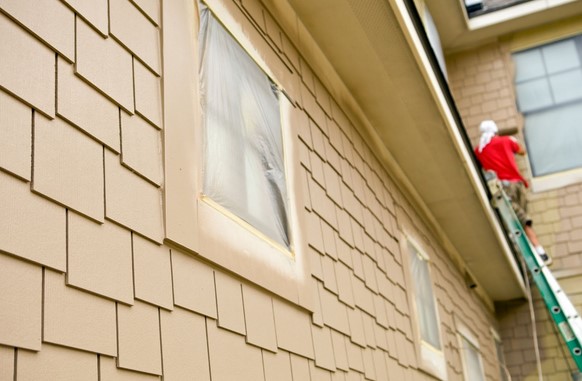
If your home’s exterior looks outdated or sustains frequent damage, it might be time for new siding. Upgrading to modern materials can enhance durability, energy efficiency, and curb appeal while addressing weather-related wear. Homeowners often consider replacement when faced with high maintenance costs or visible signs of aging. By choosing the right siding, you can protect your home and improve its overall aesthetic without unnecessary hassle.
Table of Contents
- Signs Your Home Needs Siding Replacement
- Benefits of Upgrading to Modern Home Siding
- Choosing the Right Siding Material for Your Climate
- Cost Considerations for Home Siding Replacement
- Final Thoughts on Upgrading Your Home’s Exterior Siding
Your home’s exterior is the first line of defense against harsh weather and the initial impression visitors have of your property. Over time, exposure to the elements can cause siding to deteriorate, leading to increased maintenance costs and reduced energy efficiency. Recognizing the signs of aging or damage early can save homeowners from costly repairs down the line.
Posts on this site may contain brand partnerships, promotional content, or affiliate links. I may earn a commission or fee if you click a link or purchase through these recommendations at no additional cost to you.
For many homeowners, investing in a home siding replacement Calgary becomes a practical solution to these challenges. Modern materials not only enhance curb appeal but also offer long-term durability and weather resistance. Whether you’re dealing with fading colors, cracks, or drafts, understanding the benefits of new siding can help you make informed decisions about upgrading your home’s exterior.
Signs Your Home Needs Siding Replacement
The condition of your home’s siding plays a critical role in its overall performance and appearance. Over time, environmental factors such as rain, snow, and temperature fluctuations can take a toll on even the most durable materials. Recognizing the early warning signs of siding damage can help you address issues before they escalate into costly repairs.
Here are some key signs that suggest it may be time to consider replacing your home’s exterior:
- Visible Cracks or Warping: Damaged siding compromises insulation and exposes your home to moisture infiltration.
- Fading Colors: If the original hue has significantly dulled, it could indicate sun damage or material degradation.
- Increased Energy Bills: Poorly insulated siding can lead to drafts, forcing your heating and cooling systems to work harder.
- Pest Infestations: Gaps or rotting areas in siding can attract insects or rodents, posing additional risks to your home’s structure.
Ignoring these indicators can result in more than just aesthetic concerns. Water damage, mold growth, and structural issues often stem from neglected siding problems. Upgrading to modern, weather-resistant materials not only resolves existing issues but also enhances your home’s resilience against future challenges.
Benefits of Upgrading to Modern Home Siding
Upgrading your home’s siding is more than just a cosmetic improvement – it’s an investment in your property’s functionality, efficiency, and long-term value. Modern siding materials are designed to address common challenges faced by homeowners, offering solutions that go beyond traditional options. Whether you’re looking to enhance curb appeal or improve energy efficiency, the advantages of new siding are worth considering.
Improved Energy Efficiency
One of the most significant benefits of modern siding is its ability to support better insulation. Advanced materials, such as insulated vinyl or fiber cement, create a tighter seal around your home, reducing heat loss during colder months and keeping interiors cooler in the summer. This added layer of protection can lead to noticeable savings on heating and cooling costs over time.
Enhanced Durability Against Weather
Harsh weather conditions, including heavy rain, snow, and strong winds, can wreak havoc on older siding. Newer options, such as engineered wood siding or metal siding, are specifically designed to withstand these challenges. They resist warping, cracking, and moisture damage, ensuring your home remains protected year-round.
Boosted Curb Appeal and Property Value
A home’s exterior is often the first impression it makes on visitors or potential buyers. Modern siding comes in a variety of styles, textures, and colors, allowing homeowners to customize their property’s look while maintaining a polished appearance. This aesthetic upgrade not only enhances pride of ownership but also increases resale value – a key consideration for many homeowners.
Low Maintenance Requirements
Unlike older materials that require frequent painting or sealing, today’s siding options are built for convenience. Many are engineered to resist fading, chipping, and mold growth, reducing the need for ongoing upkeep. This low-maintenance feature is particularly appealing to busy homeowners seeking both practicality and peace of mind.
By upgrading to modern siding, you’re not just improving your home’s appearance – you’re enhancing its performance, longevity, and overall value. These benefits make the decision to invest in new siding a wise choice for forward-thinking homeowners.
Choosing the Right Siding Material for Your Climate
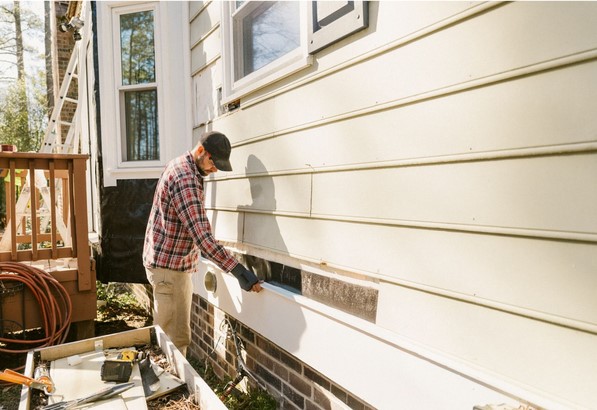
Selecting the right siding material involves balancing aesthetics, durability, and climate compatibility. Below is a comparison table that highlights the key features of popular siding materials, helping homeowners make an informed decision based on their specific needs and regional weather conditions.
| Material | Durability | Weather Resistance | Maintenance | Best For |
| Vinyl | Resists fading and cracking. | Moderate; prone to hail damage. | Low; occasional cleaning. | Budget-conscious homeowners in mild climates. |
| Fiber Cement | Extremely durable; resists rot and pests. | Excellent; handles snow, rain, and wind. | Low; minimal upkeep. | Homes in harsh or humid climates. |
| Engineered Wood | Resists moisture and decay. | Good; withstands wet and cold climates. | Moderate; periodic checks. | Homeowners seeking a natural wood look. |
| Metal (Aluminum/Steel) | Durable; resistant to fire and insects. | Excellent; ideal for extreme weather. | Low; occasional cleaning. | Modern homes in wildfire-prone areas. |
| Brick/ Stone | Extremely long-lasting. | Excellent; performs well in all climates. | Very low; occasional sealing. | High-end homes in any climate. |
By evaluating these factors, you can choose a siding material that not only enhances your home’s appearance but also provides lasting protection tailored to your environment.
Cost Considerations for Home Siding Replacement
While upgrading your home’s siding offers numerous benefits, understanding the associated costs is essential for making an informed decision. The price of siding replacement can vary significantly based on factors such as material choice, home size, and labor expenses. By breaking down these costs, homeowners can better plan their budgets and avoid unexpected financial surprises.
Several key elements contribute to the overall expense of a siding replacement project:
- Material Selection: Premium options like fiber cement or brick are more expensive upfront but offer long-term savings through durability and reduced maintenance. Vinyl, on the other hand, provides a budget-friendly alternative without compromising too much on quality.
- Home Size and Design: Larger homes or those with complex architectural features require more materials and labor, increasing the total cost.
- Labor Fees: Installation costs depend on the complexity of the job and the contractor’s expertise. Skilled professionals may charge more but ensure a high-quality finish that lasts longer.
- Additional Repairs: If underlying issues such as rot or water damage are discovered during installation, addressing them will add to the overall expense.
By carefully evaluating both immediate and long-term costs, homeowners can choose a siding option that aligns with their budget and priorities without compromising on quality or performance.
Final Thoughts on Upgrading Your Home’s Exterior Siding
Upgrading your home’s siding is a practical and impactful way to enhance both its appearance and functionality. From improved energy efficiency to increased durability against harsh weather, modern materials offer solutions tailored to meet diverse homeowner needs.
By carefully considering factors such as climate, budget, and long-term value, you can select the right siding option for your property. Investing in a [home siding replacement Calgary] not only protects your home but also adds lasting curb appeal and peace of mind.
