
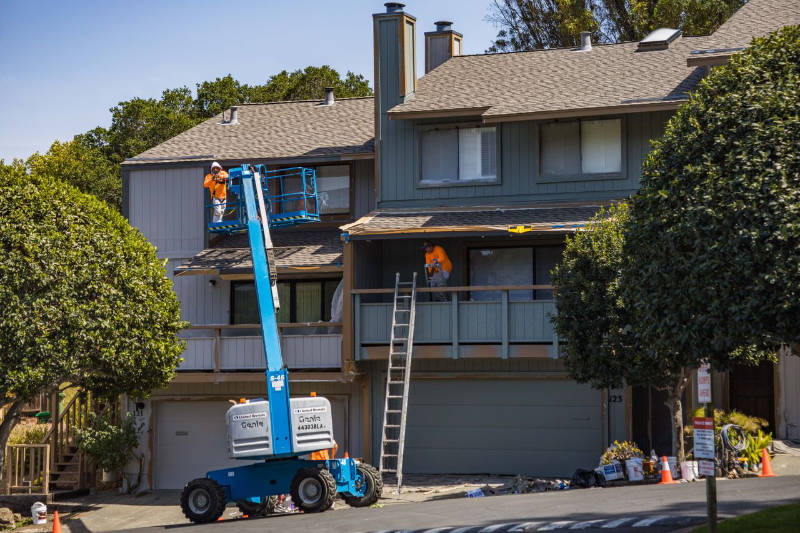
A siding and painting contractor manages the exterior work that protects a house and shapes its appearance. The job includes inspecting wall systems, removing damaged materials, preparing surfaces, applying coatings, and coordinating repairs. Good work requires more than a color choice, because siding, trim, caulk, and paint must work together in the face of sun, rain, humidity, and seasonal movement. Knowing each responsibility helps homeowners compare scopes, identify exclusions, and plan exterior improvements with fewer surprises.
Posts on this site may contain brand partnerships, promotional content, or affiliate links. I may earn a commission or fee if you click a link or purchase through these recommendations at no additional cost to you.
Homeowners often hire a contractor for a complete exterior scope of work rather than treating each surface as a separate job. A Florida siding and painting contractor near you can inspect siding, trim, fascia, soffits, and painted surfaces before recommending a repair plan. That review helps identify moisture entry, loose panels, failing caulk, peeling paint, and preparation needs before new materials cover them.
Inspecting Existing Exterior Conditions
The first responsibility is to examine the house before any work begins. A contractor checks siding for cracks, warping, rot, loose sections, impact damage, and gaps around windows or doors. The inspection also covers trim, soffits, fascia, vents, and areas where different materials meet. Painted surfaces receive the same attention. Peeling, chalking, mildew, stains, and exposed wood can affect adhesion and appearance. A contractor records these conditions so that the written scope includes necessary repairs rather than treating visible symptoms with another coat of paint.
Repairing and Preparing Siding
Siding work can involve removing damaged sections, replacing panels, securing loose pieces, and correcting gaps around openings. The exact repair depends on the siding material, the location of the damage, and whether surrounding sections remain serviceable. Preparation also includes cleaning dirt, mildew, oxidation, and loose coating. A clean surface provides paint with a better foundation and helps reveal defects hidden beneath grime. Scraping, sanding, patching, and priming follow when the surface requires those steps.
Managing Exterior Painting
Exterior painting involves more than selecting a color. A contractor evaluates the existing coating, surface material, exposure to sunlight, and condition of the substrate before choosing a preparation and application method. Wood siding often needs attention to exposed fibers, knots, old paint, and moisture-affected areas. Fiber cement and other manufactured materials require clean, stable surfaces and properly treated edges. Metal siding needs preparation that addresses oxidation and loose coating.
A contractor also protects windows, doors, landscaping, fixtures, walkways, and nearby surfaces during application. The work plan accounts for access, drying conditions, and the order of surfaces to prevent wet paint from being damaged by later activity.
Coordinating Materials and Work Stages
Siding and painting often overlap, so the order of work matters. Damaged siding and trim should be repaired before final coatings are applied to those areas. Caulk and primer must receive enough time to cure before the next application. A contractor coordinates removal, surface preparation, installation, repair, painting, and cleanup. This sequence reduces rework and keeps unfinished areas from remaining exposed longer than necessary.
The written scope should identify which surfaces receive repair, replacement, cleaning, caulk, primer, and paint. It should also state what happens to damaged materials discovered after removal. Clear details help homeowners compare proposals based on the same work.
Helping Homeowners Plan Exterior Work
A contractor helps separate urgent repairs from appearance-based updates. Water intrusion, exposed wood, open joints, and loose siding deserve attention before a color change. Cosmetic work becomes more useful when the underlying surface is sound.
Homeowners should ask how the contractor will prepare each material, which areas are included in the scope, and how access or weather affects scheduling. They should also confirm cleanup responsibilities, protection for nearby property, and the process for addressing hidden damage. A professional assessment gives the homeowner a practical sequence for the project. That sequence can prevent a new coating from covering defects that require repair and can reduce unexpected changes during the work.
Conclusion
A siding and painting contractor examines exterior conditions, repairs damaged materials, prepares surfaces, applies coatings, and coordinates the work in a logical order. The contractor’s value rests in connecting those tasks rather than treating siding and paint as separate cosmetic choices. Before requesting estimates, homeowners should walk around the property, note any visible damage, and ask for a written scope of work that identifies preparation, repairs, materials, and exclusions. That document provides the clearest next step for comparing exterior projects.
