
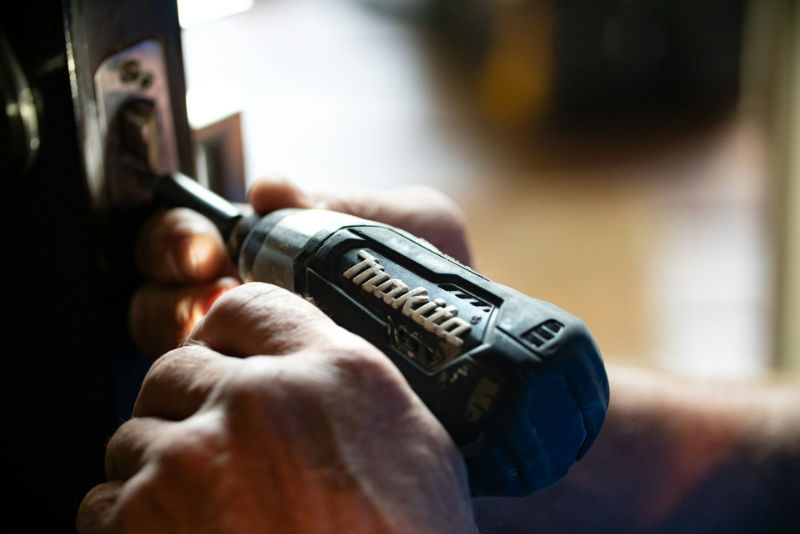
Owning a home means holding two truths at once. One is the comfort of having a place to call your own. The other is the ongoing work of keeping it standing strong. Growing repair costs have made the upkeep side of homeownership harder to absorb,
Between 2022 and 2024, inflation-adjusted aggregate repair costs increased by about 13.3%, according to the Federal Reserve Bank of Philadelphia. The margin for error is low here. Unless you really know what you are doing, a DIY repair done poorly can be very costly.
Hiring a licensed contractor can save you the constant worry of getting things wrong and potentially paying twice. However, the high upfront investment is certainly worth a few minutes of mulling it over.
If you’re on the fence about hiring one, let us help you decide if the investment makes sense.
License Equals Accountability
Licensed professionals work under official contracts and local building codes. If the work turns out unsatisfactory, you have legal recourse to fall back on, something a handshake deal with an unlicensed worker won’t offer. They also carry liability insurance and workers’ compensation, so you are covered if a worker gets hurt on your property.
Plenty of accidents occur during extensive home repairs, especially if the work involves roofing, live wiring, gas lines, or structural work.
Posts on this site may contain brand partnerships, promotional content, or affiliate links. I may earn a commission or fee if you click a link or purchase through these recommendations at no additional cost to you.
In 2024, 64 residential remodeling workers died on the job, according to federal data. Falls, slips, and trips accounted for 29 of those deaths. If something like this happens on your property, the situation can get messy very quickly. You may suddenly be dealing with medical expenses, insurance paperwork, legal questions, and a repair project that has come to a complete stop.
You can sidestep a good chunk of that legal and financial exposure by hiring licensed help. You are paying for the work, of course. You are also paying for a clearer layer of protection if something goes wrong.
Lower Risk of Code and Permit Violations
Different states and localities across the country have different building codes and permit requirements. Some are far stricter than others. Violating even a seemingly minor rule can come back with a hefty price tag later.
Take Miami Beach, for example. The city law clearly states, “Failure to comply with a Stop Work Order/Notice of Violation will result in a citation being issued in the amount of $500… a penalty of double the permit fee and a $500 fine (for the first offense) will be imposed.”
A second offense raises the penalty to $1,000. Each subsequent offense carries a $2,000 penalty, plus double the normal permit fee.
In California, the current property owner remains responsible for correcting unpermitted work, even when a previous owner had it done. When you hire a local contractor with a good reputation, you can rest easy knowing all applicable codes and permit rules will be followed. Now, what happens if you skip that step?
A permit violation is bound to cause trouble with your homeowners insurance in case of an accident. Say a contractor skips the required electrical permit during a repair, and faulty wiring later sparks a fire. Insurance might deny the claim entirely, since most policies cover only damage tied to permitted, licensed work.
Better Resale Value
A repair may solve today’s problem, but the quality of that work can follow the home right into a future sale. Properly completed and permitted work gives buyers a cleaner paper trail and fewer reasons to worry during inspection.
This can make a real difference. Home condition also plays into the appraisal itself. Federal National Mortgage Association / Fannie Mae notes that appraisers consider structural quality, maintenance, and the overall condition of the property when estimating value.
So, licensed work can help reassure future buyers that important repairs were handled properly. Unpermitted electrical, plumbing, or structural work can do the opposite and give buyers another reason to negotiate harder or walk away.
How to Find a Home Repair Contractor You Can Trust
The aforementioned benefits materialize only when you hire the right person for the job. The real challenge is finding a licensed contractor you can count on, someone who will:
- Fit comfortably within your budget.
- Bring a proven track record of solid work.
- Communicate clearly and respond in a timely manner.
There are essentially two viable ways to find someone like this.
One, you can turn to an aggregator platform like My Licensed Contractor. It is a platform where homeowners fill out a quick form with their project details whenever they need a repair or are planning a home improvement project.
The system then matches them with local contractors, who reach out with a quote. It is quick and simple, and every contractor in the system has been vetted, so you only hear from trustworthy professionals with a valid license and a solid reputation.
The second way is word of mouth. Ask neighbors, friends, or family who recently had similar work done. This route often comes with an honest, first-hand account of the experience. The only caveat is that a contractor who worked well for someone else may not have the right availability or fit for your specific project.
FAQs
How can I check if a contractor’s license is valid?
Most states run an online license lookup tool through their contractor licensing board. Search for the contractor’s name or license number there. It shows license status, expiration dates, and any disciplinary actions or complaints filed against them.
Does a licensed contractor cost more than an unlicensed one?
Licensed contractors often charge more upfront since their rates reflect insurance, permits, and overhead costs. Unlicensed work may look cheaper at first, but hidden costs from redos, fines, or injuries can quickly erase those savings.
What should I confirm before signing a contract?
Check the license number, insurance certificates, and a written estimate detailing materials, timeline, and payment schedule. Ask for references from recent jobs. A clear, detailed contract protects both sides if disputes come up later.
Key Data Points at a Glance
| Data Point | Figure |
| Owner-occupied U.S. homes built before 1980 | 47% |
| Rise in inflation-adjusted repair costs (2022-2024) | 13.3% |
| Residential remodeling worker deaths in 2024 | 64 |
| Miami Beach fine for a Stop Work Order/Notice of Violation | $500 (first offense) |
Pay Once, Think Twice
There is nothing wrong with handling small jobs around the house yourself. Plenty of homeowners do it every weekend. The decision gets more serious when a repair touches wiring, plumbing, roofing, structure, or anything governed by local codes. At that point, saving on labor costs can come with trade-offs worth thinking through.
A licensed contractor may cost more upfront, but you also get clearer accountability and fewer loose ends. If the job feels beyond your comfort level, there is no prize for pushing through it alone. Sometimes the smarter financial choice is simply knowing when professional help makes sense.
