
Posts on this site may contain brand partnerships, promotional content, or affiliate links. I may earn a commission or fee if you click a link or purchase through these recommendations at no additional cost to you.
The humble thank you note seems to have vanished alongside floppy discs and phone boxes. Yet for foster carers and parents alike, teaching children this simple courtesy remains one of the most valuable life skills we can impart. Far from being old-fashioned, handwritten gratitude is a powerful tool that builds character, strengthens relationships, and gives children a genuine advantage in life.
Why Thank You Notes Still Matter
Thank you notes teach children that kindness deserves acknowledgement. When a child receives a birthday gift from Grandma or benefits from a teacher’s extra help, writing a note reinforces the idea that someone made an effort on their behalf. This awareness develops empathy and helps children recognise the network of care surrounding them – particularly important for looked-after children who may struggle to trust adult intentions.
Moreover, when instant messages and emoji responses dominate communication, a handwritten note stands out dramatically. University admissions tutors, employers, and community members remember the young person who took time to write properly. It demonstrates thoughtfulness, effort, and respect that WhatsApp simply cannot convey.
Starting Small and Building Confidence
For younger children or those new to your care, begin with simple verbal thank yous before progressing to written notes. A child who’s never experienced stable relationships may find expressing gratitude challenging initially. Start with prompts: “What did you enjoy about visiting Auntie Sarah?” or “How did it feel when your teacher stayed late to help you?”
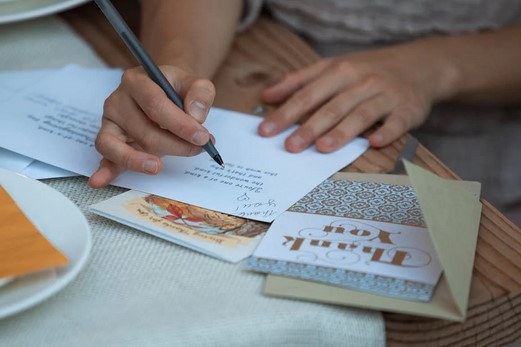
Picture postcards work brilliantly for reluctant writers. The visual element engages children, whilst the limited space feels less daunting than a blank sheet of paper. Even a single sentence like “Thank you for the lovely day at the zoo” accompanied by a drawing shows genuine appreciation.
Making It Manageable
Create a simple system that doesn’t overwhelm busy family life. Keep a basket with notecards, stamps, and pens readily available. For carers fostering with Fostering People and managing multiple placements, consider having each child choose their own special stationery – this sense of ownership encourages participation.
Set aside twenty minutes after special occasions or gifts to write notes together. Make it collaborative rather than a chore. You might say, “Let’s think of three things we loved about today” or “What would you like Granny to know about how her gift made you feel?”
Teaching the Basics
A good thank you note needn’t be lengthy or elaborate. Teach children the simple structure: greeting, specific thanks, personal touch, and closing. For example: “Dear Mrs Johnson, Thank you for the brilliant football book. I’ve already read the chapter about penalty shoot-outs! I hope your garden is growing well. Love, Jamie.”
The personal touch transforms a polite note into something memorable. Encourage children to mention specific details, share how they used the gift, or ask about the giver’s life.
Beyond Gifts and Occasions
Expand thank you notes beyond birthday presents. Teachers who provide extra support, neighbours who retrieve footballs from gardens, or family friends who offer encouragement during difficult times all deserve recognition. These notes often mean more than formal gift acknowledgements because they’re unexpected.
Teaching children to write thank you notes isn’t about enforcing rigid etiquette – it’s about nurturing grateful, thoughtful individuals who recognise kindness and respond appropriately. When communication often feels disconnected, these small acts of written gratitude create meaningful bonds that benefit everyone involved.
