
Dentistry has evolved drastically in the last few decades as a result of new technology such as lasers and digital photography. Below are just some of the biggest ways in which dental treatment has changed.
Intraoral scanning
Creating an impression of someone’s teeth used to involve having to bite down on a lump of Play-Doh like plastic. This wasn’t just messy, but was unreliable and caused many patients to gag. The new alternative way to take impressions is to use an intraoral scanner. This is a small camera-like device that uses light to create accurate 3D models of a patient’s teeth. Intraoral scanners are useful for creating braces, dentures, implants, fillings and crowns.
Laser cavity detection
Posts on this site may contain brand partnerships, promotional content, or affiliate links. I may earn a commission or fee if you click a link or purchase through these recommendations at no additional cost to you.
Some cavities cannot be easily detected with the naked eye. Laser cavity detection devices such as the Diagnodent pen have become widely adopted in dental practices, allowing tooth decay to be accurately identified using a laser. This can allow cavities to be treated before they become more serious – helping to fend off infections and unwanted procedures like tooth removal. As you will see below, it is one of many innovative ways in which lasers are being used within dentistry.
Laser gum contouring
Some people are unfortunate to be born with excess gum tissue, which can lead to gum overlapping the teeth – commonly known as a ‘gummy smile’. Getting rid of this gum tissue is now possible by undertaking a procedure known as laser gum contouring. This involves using a laser to reshape the gum line so that it is more even. While not all dental practices provide this treatment, it is becoming much more popular. The price of this treatment can vary and eligibility may depend on the health of your gums and teeth.
Clear braces
Metal braces used to be the only way of straightening teeth. Clear braces as produced by companies like Smileie have helped provide an alternative solution. Unlike metal braces, clear braces consist of a plastic retainer that gently pushes teeth into shape. This retainer is see-through, so most people don’t even know you’re wearing a brace. You can also take out this retainer when you eat or when you brush your teeth – giving you the option to eat any food you want and making it much easier to maintain good dental hygiene. Clear braces may not be suitable for all forms of teeth straightening, but can be used to treat most cases. For readers in Everett, Washington, an Invisalign consultation at Perfect Smiles Dentistry can help establish whether clear aligners suit their bite and ongoing dental needs.
Laser teeth whitening
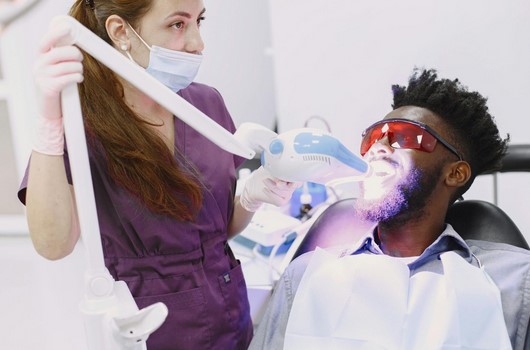
Want whiter teeth? You don’t have to rely solely on whitening toothpastes anymore. Laser teeth whitening has become an incredibly popular procedure in dental clinics around the world. It involves applying a bleaching agent to the teeth, which is activated by a laser in order to make the teeth whiter. Laser teeth whitening is not permanent, but it is effective and it is cheaper than prosthetic methods like veneers.
Conclusion
These are just some of the major technologies reshaping dentistry. By finding the right practise, you can take advantage of these technologies and get the best dental care. For those exploring modern treatment options abroad, clinics such as Lema Clinic.
