
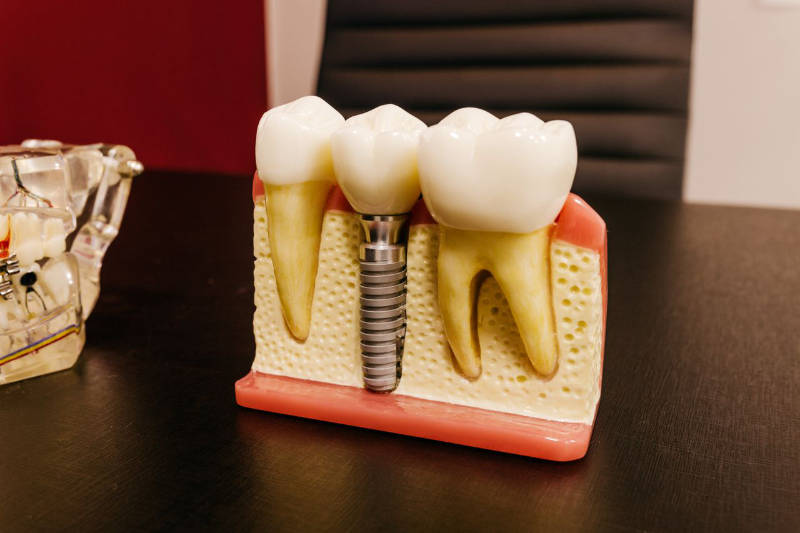
Many people are surprised by how quickly their chewing, speech, bite balance, and jaw health can change after losing just one tooth. A gap may look minor, yet nearby teeth can drift and the bone below it can shrink.
Implants, partial dentures, and bridges are some of the options available for replacement teeth. The best choice depends on health, budget, timing, and goals. Still, implants remain the option most often used to replace both the tooth and its root.
Why the Missing Root Matters
Posts on this site may contain brand partnerships, promotional content, or affiliate links. I may earn a commission or fee if you click a link or purchase through these recommendations at no additional cost to you.
A natural tooth root sends pressure into the jaw during chewing. After tooth loss, that signal stops, and the jawbone in that spot may lose width and height. For someone comparing a bridge, denture, or tooth implant in Las Vegas, the root replacement is often the key clinical difference because it helps preserve bone volume and bite support over time.
Bone changes can affect more than one space. A shrinking ridge may make future treatment harder, while drifting teeth can create food traps. Those changes can raise the risk of decay, gum irritation, and uneven wear. An implant helps limit these issues by supporting a crown from within the jaw.
How Dental Implants Compare With Other Options
A dental bridge can replace a missing tooth without surgery. It may work well when nearby teeth already need crowns. The tradeoff is that healthy neighboring teeth often need reshaping, which removes enamel.
A removable partial denture usually costs less at first. It can replace several teeth and may help when surgery is not an option. Yet it can move during meals, press on gum tissue, and require adjustments.
An implant requires more planning and healing time, but it is independent. It does not depend on adjacent teeth for support. It also gives strong chewing function during regular meals once the implant and bone have bonded.
Who Is a Suitable Candidate for Dental Implants?
Good candidates usually have healthy gums, enough jawbone, and stable general health. Dentists also look at smoking, diabetes control, bite force, grinding, and oral hygiene. These factors affect healing and long-term success.
Bone loss does not always rule out treatment. A graft may rebuild the area before placement. A three-dimensional scan can show bone height, nerve position, sinus location, and space. This planning helps reduce risk.
Age alone is seldom the most important consideration. A healthy older adult may qualify, while a younger person with untreated gum disease may need care first. The better question is whether the mouth can support daily function.
What the Process Usually Involves
Treatment begins with an exam, images, and medical history. If the site is ready, the implant post is placed in the jaw. Healing allows bone to attach to the post, creating a stable base.
After integration, the dentist adds an abutment and crown. The crown is shaped to match the bite and nearby teeth. Many single-tooth cases take several months from planning to final restoration. Full-arch treatment may need staged visits.
Short-term soreness is common after placement. Most people return to routine activity within a few days, depending on the procedure. Follow-up visits help confirm healing and protect the final result.
Cost, Longevity, and Value
Implants often cost more upfront than removable options. Fees vary by tooth count, grafting, imaging, sedation, materials, and restoration type. A single implant differs from an implant-supported bridge or full-arch plan.
Long-term value depends on maintenance and case design. With sound care, implants can last many years, and some last for decades. The crown may need replacement sooner because it handles daily chewing forces.
Insurance may cover part of the process, but plans differ. Patients should ask for an itemized estimate separating surgery, restoration, grafting, and follow-up care. Clear pricing helps fair comparison.
Daily Care After Treatment
Implants cannot get cavities, but nearby gums and bone can still become inflamed. Daily brushing, flossing, and professional cleanings are essential. Small brushes or water-cleaning devices may help tight spaces.
Grinding can overload implant parts and crowns. A nightguard may protect the restoration if clenching is present. Regular exams also check bite pressure, tissue health, and early wear.
Conclusion
A dental implant is still one of the strongest fixes for a missing tooth because it replaces the root, protects jaw support, and restores stable chewing. It is not the right answer for every person, especially when health, bone volume, or budget limits care.
A careful exam gives the clearest answer. For many patients, the added planning and healing time are balanced by comfort, function, and durable results over many years.
