
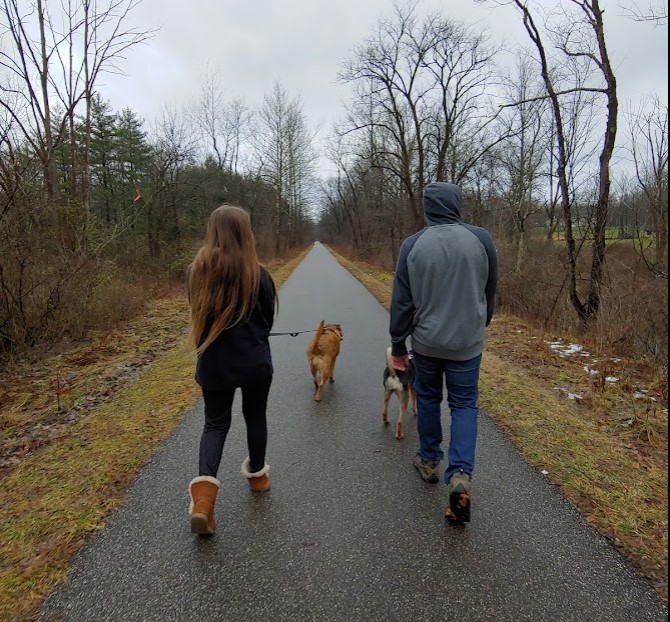
A backyard that works for a dog and a backyard that works for a toddler are not the same space. The dog needs room to run, a place to dig, and somewhere to relieve itself. The toddler needs soft landings, clear sight lines, and a surface a parent can let them crawl across without flinching. Most families try to make one yard do both jobs and discover the conflicts only after something goes wrong.
The friction is rarely dramatic. It shows up in small ways: a child putting something in their mouth, a gate left unlatched, a dog getting startled during a nap. Each risk on its own seems manageable. Stacked together, and left unaddressed through a full season of outdoor play, they add up to a yard that quietly works against you. Sorting them out takes planning more than money, and most of the work happens once.
Start by Watching How Each One Uses the Space
Before changing anything, spend a few afternoons paying attention. Dogs and toddlers both establish routes and habits, and those patterns tell you where the problems will be.
Map the Dog’s Territory
Most dogs settle into a predictable pattern within weeks of moving in. There is a patrol route along the fence line, a preferred shade spot, a favorite digging corner, and usually one area used consistently for elimination. Watch for a week and you will know all of them.
That predictability works in your favor. A dog that eliminates in one corner is far easier to manage than one that spreads it across the whole lawn, and a dog with a defined resting place gives you a natural spot to reinforce as off-limits to small hands.
Track the Toddler’s Range
Toddler movement is less organized but just as revealing. Children under three gravitate toward edges, gaps, and anything at their eye level. They follow the dog. They go where the interesting textures are, which means mulch beds, gravel, and dirt patches rather than open grass.
Comparing the two maps shows you the overlap. Those shared zones are where your attention belongs, and everything that follows is easier once you know which parts of the yard are genuinely contested.
Divide the Yard Without Fencing Everything
Total separation is neither practical nor desirable. Kids and dogs benefit enormously from time together, and a yard chopped into pens is unpleasant for everyone.
Soft Zoning Works Better Than Hard Barriers
Zoning can be done with landscaping rather than fencing. A low hedge, a change in ground surface, a raised bed, or a row of planters all signal a boundary without walling anything off. Children read these transitions surprisingly well once they are consistent.
Posts on this site may contain sponsored content, paid link placements, or affiliate links. I may earn a commission or fee if you click a link or purchase through these recommendations at no additional cost to you.
Give the dog one area that belongs entirely to it. A shaded corner with a bed, water, and a few toys gives the animal somewhere to retreat when the noise level rises. Dogs that cannot escape a persistent toddler are more likely to snap, and the American Veterinary Medical Association has long emphasized giving dogs an exit as one of the most effective bite prevention measures in family homes.
Hard Barriers Where They Actually Matter
Save real fencing for genuine hazards. Pools, steep drops, fire pits, garden storage, and compost bins all need physical barriers with latches a toddler cannot work. Check the perimeter fence for gaps at ground level. A dog-sized hole is a toddler-sized hole.
Pet Waste Cleanup and Why It Matters More With a Toddler
Grass looks clean from standing height. From eighteen inches off the ground, where a toddler spends most of its outdoor time, the picture is different.
Dog waste carries parasites that survive in soil far longer than most parents expect. Roundworm eggs can remain infectious in a yard for years, and they need a period of time outside the dog’s body before they become dangerous, which means the risk comes from waste that has been sitting rather than waste that is fresh. Hookworm larvae move through soil and can enter through bare skin on the feet or hands. Both are documented causes of illness in young children, and the Centers for Disease Control and Prevention identifies toddlers as the highest-risk group precisely because of how they play.
Frequency matters more than thoroughness. Clearing the yard every few days is far more protective than a deep clean once a month, because it removes waste before the parasite load becomes infectious and before rain breaks the material down into the soil where it cannot be picked up at all. Families with more than one dog, a large lot, or a schedule that makes daily yard work unrealistic often find that a regular pet waste cleanup service is the more reliable option, since the value lies almost entirely in consistency rather than in effort. Whichever route you choose, the payoff extends past health. Cleared lawns recover their color, standing patches stop killing grass, flies drop off sharply, and the yard becomes somewhere you actually want to put a picnic blanket.
Surfaces, Plants, and the Things Toddlers Reach For
With waste handled, the remaining ground-level risks are easier to see.
Choosing Ground Cover
Cocoa mulch is toxic to dogs and appealing to children. Standard bark mulch presents a choking hazard for toddlers. Pea gravel is worse. Grass remains the best all-purpose surface for a shared yard, with rubber mulch or poured surfaces under play equipment where falls are likely.
Be careful with lawn treatments. Read the reentry interval on any product applied to the yard and keep both the dog and the child off the grass for the full period, not the approximate one.
Plants Worth Removing
A number of common landscaping plants cause problems if chewed. Rather than memorizing a list, walk the yard and identify what you have, then check anything unfamiliar against a reputable poison control database. Remove what is genuinely dangerous and relocate the rest to raised beds.
Water, Tools, and Storage
Standing water is a drowning hazard at depths that surprise people. Empty buckets, tip wheelbarrows, and check that water bowls are shallow. Lock up tools, fertilizer, and anything with a spray nozzle.
Setting Rules That Everyone Can Follow
Physical changes carry you only so far. The rest is habit.
Teaching the Child
Toddlers can learn a small number of rules if the rules never change. No touching the dog while it eats. No hugging around the neck. No following the dog into its corner. Keep the list short enough that you can enforce all of it, every time.
Teaching the Dog
The dog needs a reliable recall and a solid place command. Both give you a way to reset a situation before it escalates. Neither takes long to build, and both are worth more than any barrier you install.
Supervision Is the Real System
No amount of preparation replaces an adult watching. The changes above lower the stakes when attention lapses, which it will. They do not remove the need for it.
Bringing It Together
A shared backyard asks you to hold two different sets of needs in mind at once, and the families who manage it well are usually the ones who stopped treating it as a single problem. Understand how each occupant uses the space. Separate the parts that genuinely conflict. Handle the ground-level hazards on a schedule rather than when you happen to notice them. Then teach the rules that make the rest work.
None of this is complicated. Most of it is a weekend of adjustment and a habit or two that becomes automatic within a month. What you get in return is a yard where you can open the back door without running a mental checklist first, which is the entire point.
