
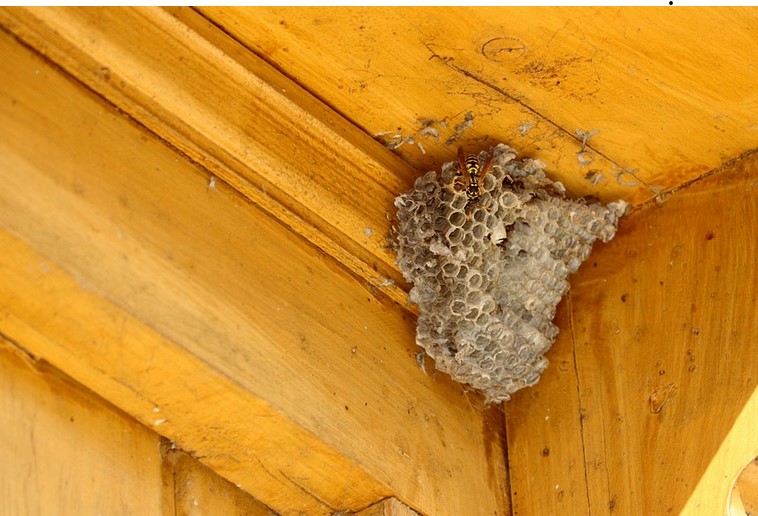
Maintaining a pest-free home is crucial for the health and safety of your family. Pests such as rodents, insects, and other unwanted intruders can spread diseases, cause structural damage, and create an uncomfortable living environment. Whether it’s the health risks posed by cockroaches or the havoc termites wreak on wooden structures, the consequences of ignoring pests can be significant. By taking proactive measures, you not only protect your home but also enhance your family’s quality of life. This guide will walk you through practical steps to keep pests at bay and create a haven for your loved ones.
Seal Entry Points to Prevent Infestation
Pests often enter homes through small gaps, cracks, and openings. Inspect your home thoroughly, focusing on windows, doors, vents, and the foundation. Seal any cracks with caulk, install weather stripping on doors, and use mesh screens on windows and vents to block access. Pay attention to areas around pipes and utility lines, as these are common entry points for pests. Regular maintenance of your home’s exterior can significantly reduce the chances of pests making their way inside.
Know When to Call a Professional
Posts on this site may contain sponsored content, paid link placements, or affiliate links. I may earn a commission or fee if you click a link or purchase through these recommendations at no additional cost to you.
Some infestations may require professional intervention. Pest control experts have the knowledge and tools to handle severe or persistent problems effectively. Regularly scheduled pest control services can also serve as a preventative measure, keeping your home protected year-round, professionals from Green Pest Management explain. If you notice signs of termites, bed bugs, or large rodent populations, don’t hesitate to seek professional help to address the issue promptly.
Maintain Cleanliness to Deter Pests
A clean home is less attractive to pests, which are drawn to food and water sources. Make it a habit to clean up crumbs, spills, and food residues immediately. Store food in airtight containers, and avoid leaving pet food out overnight. Regularly empty trash bins, especially in the kitchen, and ensure they are covered with tight-fitting lids. Vacuuming and mopping floors frequently also help remove potential food sources for pests, such as crumbs and debris.
Properly Store and Dispose of Waste
Waste management plays a crucial role in pest control. Pests like rodents and flies are attracted to garbage, so ensure your waste is properly stored and disposed of. Use sealed bins for trash storage and keep them away from your home’s exterior walls. Compost bins, if not managed correctly, can also attract pests, so ensure they are covered and maintained. Regularly washing garbage bins and compost containers will minimize odors that lure pests into your space.
Address Moisture Issues Promptly
Standing water and excess moisture create ideal conditions for pests such as mosquitoes, cockroaches, and silverfish. Inspect your home for leaks in pipes, faucets, and the roof. Fix any leaks promptly and ensure proper drainage around your home. Dehumidifiers can help in areas like basements that are prone to dampness. Additionally, make sure gutters and downspouts are clear to prevent water buildup near your home’s foundation.
Practice Regular Landscaping Maintenance
Your yard can be a haven for pests if not properly maintained. Trim trees, shrubs, and bushes to prevent them from touching your home, as they can act as bridges for pests. Remove debris such as fallen leaves, woodpiles, and overgrown vegetation, as these provide hiding spots for rodents and insects. Keep your lawn mowed and consider planting pest-repellent plants, such as lavender and marigolds, around your home’s perimeter for added protection.
Use Natural Deterrents and DIY Solutions
If you prefer to avoid chemical solutions, there are numerous natural pest deterrents you can use. Essential oils like peppermint, eucalyptus, and tea tree oil are effective in repelling ants, spiders, and other pests. Diatomaceous earth, a non-toxic powder, can be sprinkled in areas prone to crawling insects. For rodents, placing cotton balls soaked in peppermint oil near potential entry points can help keep them at bay. These methods are safe, cost-effective, and eco-friendly alternatives to commercial pesticides.
Conduct Routine Inspections
Preventing pests is easier than dealing with an infestation. Conduct routine inspections of your home, especially in hidden and hard-to-reach areas like attics, basements, and crawl spaces. Look for signs of pests, such as droppings, gnawed materials, or unusual odors. Early detection allows for swift action, preventing minor issues from escalating into major problems.
Creating Long-Term Habits for a Pest-Free Home
Achieving and maintaining a pest-free home requires consistent effort and vigilance. Establishing habits such as regular cleaning, inspecting for entry points, and addressing moisture issues can make a significant difference. Educate your family about pest prevention practices and ensure everyone participates in keeping the home clean and secure. By incorporating these habits into your daily routine, you can enjoy peace of mind knowing your home is safe and comfortable for your loved ones.
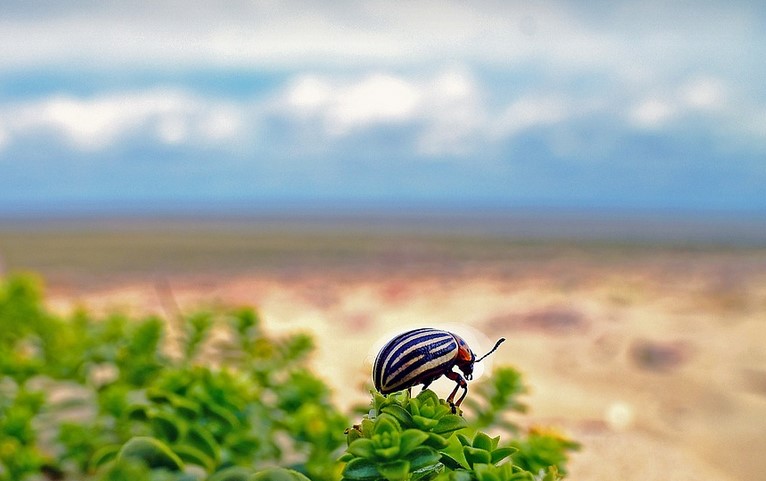
Keeping your family home pest-free is an ongoing process that combines prevention, maintenance, and, when necessary, professional assistance. By implementing the strategies outlined in this guide, you can create a healthy, pest-free environment that ensures the safety and well-being of your family. Start today by inspecting your home and making small changes that will have a big impact in the long run. Your proactive approach will safeguard your home and provide a welcoming space free of unwanted intruders.
