
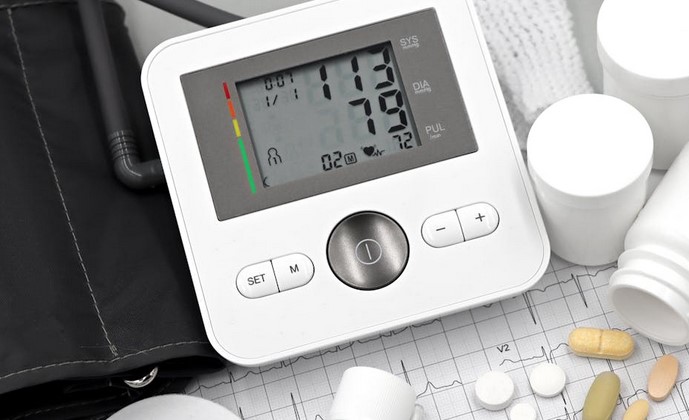
Taking care of your medical devices during the winter months can be tricky. The cold weather and dry air can cause problems for some people, so extra attention is required.
But what do you need to do? Fortunately, this post has some answers for you.
Keep Them Safe During Transport
Posts on this site may contain sponsored content, paid link placements, or affiliate links. I may earn a commission or fee if you click a link or purchase through these recommendations at no additional cost to you.
The first step is to keep them safe during transit. Many people wrap their hearing aids in something insulating, preventing extreme cold temperatures from getting to them.
For example, suppose you are going on a coach trip and keeping medical devices in your suitcase. In these situations, it is a good idea to keep them wrapped inside clothing so that the extreme cold doesn’t get to them.
In the home, you also want to keep the heating on and explore ways to reduce the risk of condensation in the house. Keeping temperatures warm and dry is essential for reducing this risk.
Keep Devices Organized
You also want to ensure that you keep devices organized. Everything should be in its proper place in your home so you can keep them out of the way but also access them when needed.
If you need to label cords so you can set them up quickly, then do so. Also, look for ways to keep them away from drafts so that you don’t change the internal calibration (which can occur on pulse oximeters and other sensitive devices).
If you can keep manual contact numbers nearby to call for help when needed, that’s even better. Most manufacturers offer support lines to assist customers who require help.
Inspect For Wear And Tear
If you’re caring for aids in winter, you should also check them for wear and tear. Examine the cables, tubes and connectors on devices, especially those that you take outside with you.
Remember, many of these materials can become brittle and experience damage when they get too cold. Temperate declines, especially on foggy days, can wreak havoc with the internals.
Make The Power Supply More Stable
Next, you want to ensure that the power supply is stable. For example, double check that your devices have surge protection. The winter is a common time for brownouts and blackouts because of the difficulties involved in maintaining the grid at lower temperature. You want a system where you can shield devices from voltage spikes where possible.
If you have a backup system you can use for non-battery-powered devices, that’s even better. These allow you to keep things that you need running, even if the power goes out.
Disinfect Regularly
You also want to ensure that you’re disinfecting devices regularly. Many can become contaminated, raising the risk of infection substantially.
Make sure you clean CPAP devices and thermometers with alcohol and antiseptic wipes. Also, wipe hearing aids clean, especially if you have versions that you insert deep into the ear canal.
Maintain Battery Health
Finally, check the batteries on your devices. Cold weather can make them drain faster.
Using alkaline batteries for insulin pumps and other expensive pieces of equipment is sometimes better because these are replaceable.
