
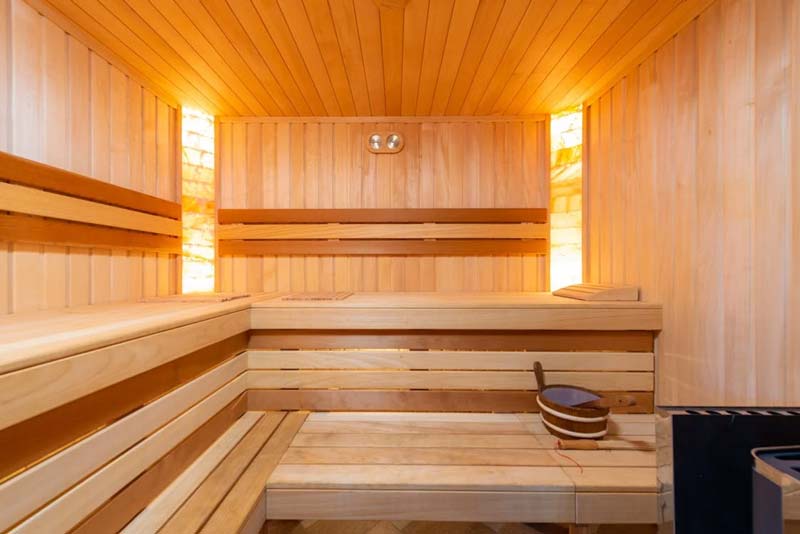
Your heart pounds as sweat cascades down your skin. In just 30 minutes, you’ve “lost” two pounds, but have you burned fat, or is this sauna-induced weight loss nothing but steam and mirrors?
Saunas have transcended cultures and centuries, evolving from the sacred Finnish tradition of communal steam bathing to today’s high-tech infrared chambers that promise everything from detoxification to cardiovascular healing. While relaxation remains the primary draw for many sauna enthusiasts, a more tantalizing question persists: Can regular sessions help melt away stubborn fat?
The allure is undeniable. The immediate post-sauna weight drop on the scale feels like vindication, tangible proof of progress without the grueling workout. Celebrities and influencers tout sauna regimens as their secret weapon while manufacturers make increasingly bold claims about calorie-burning potential.
But beneath the perspiration and promises lies a more complex physiological reality. This evidence-based investigation cuts through the marketing hype and pseudoscience to reveal precisely what happens to your body in extreme heat, which weight loss benefits are genuine, and how to incorporate sauna sessions into your wellness routine for maximum results rather than disappointment.
Key Takeaways
- Saunas primarily cause temporary water weight loss through sweating, not fat loss
- A typical sauna session may burn 20-50 extra calories, similar to a light walk
- Regular sauna use can complement a comprehensive weight management program
- Saunas offer numerous health benefits beyond weight loss, including improved circulation and stress reduction
- Proper hydration is essential when using a sauna for any purpose, including weight management
- For effective long-term weight loss, sauna sessions should supplement, not replace, diet and exercise
Understanding Sauna and Weight Loss
How Saunas Work
Saunas create an environment of intense heat that raises your body temperature, inducing a natural cooling response—sweating. There are several types of saunas, each using different methods to generate heat:
Posts on this site may contain sponsored content, paid link placements, or affiliate links. I may earn a commission or fee if you click a link or purchase through these recommendations at no additional cost to you.
“Traditional Finnish saunas rely on heated rocks to maintain temperatures between 160-200°F with low humidity. Many modern setups achieve this effect using the best electric sauna heaters that provide consistent heat and easy control. Pouring water over the rocks creates steam, offering a temporary boost in humidity for a more immersive sauna experience.
Dry saunas maintain high temperatures with very low humidity, typically using electric heaters to warm the air directly.
Infrared saunas use special lamps that emit infrared radiation to heat your body directly rather than heating the air around you, operating at lower temperatures (120-140°F) than traditional saunas.
Regardless of the type, when you enter a sauna, your skin temperature rises quickly, causing blood vessels to dilate (vasodilation). This increases blood circulation near the skin’s surface and triggers your sweat glands to produce sweat as a cooling mechanism.
Your heart rate increases by 50-75% as your cardiovascular system works harder to move blood to the surface of your skin, creating a response similar to moderate exercise.
Types of Weight Loss: Water Weight vs. Fat Loss
Understanding the difference between water weight loss and fat loss is crucial when evaluating sauna benefits:
Water weight loss occurs when your body sheds fluid through sweat or urine. It is temporary and quickly reversed once you rehydrate. When you step on a scale immediately after a sauna session and see a drop in weight, you’re primarily measuring lost fluids.
Fat loss, on the other hand, occurs when the body burns stored fat for energy, creating a caloric deficit. This process requires the body to burn more calories than it consumes over an extended period.
The distinction is important because only fat loss represents true progress in a weight loss journey. Water weight fluctuates naturally throughout the day and can be influenced by many factors, including hydration levels, sodium intake, carbohydrate consumption, and hormonal changes.
Temporary Weight Loss in a Sauna
Sweating and Water Weight Reduction
During a typical sauna session, your body can lose significant amounts of fluid through sweating—anywhere from 0.5 to 2 pounds of water weight in a single 20-30 minute session, depending on the individual and sauna conditions.
This water weight loss can be dramatic enough to register immediately on a scale, creating the impression that the sauna is an effective weight loss tool. However, this reduction represents lost fluids, not burned fat. The exact amount of water weight lost varies based on:
- Your body size and composition
- The sauna temperature and humidity
- The length of your sauna session
- Your sweat rate
- Your hydration level before entering the sauna
Professional athletes sometimes use saunas strategically to reduce their water weight rapidly when they need to gain weight for competition, but they understand this is a temporary effect.
How Long Does Water Weight Loss Last?
The weight loss effects of reducing water intake during sauna use are short-lived. As soon as you rehydrate by drinking fluids, your body will replace the lost water weight, typically within hours. Proper hydration after sauna use is essential for health and safety.
Some sauna enthusiasts report feeling “lighter” or less bloated after regular sessions, which may be related to improved circulation and potential reductions in water retention. However, these effects should not be confused with permanent weight loss or significant changes in body composition.
For those tracking their weight loss journey, it’s advisable to weigh yourself consistently, preferably in the morning after using the bathroom and before eating or drinking, rather than immediately after sauna use, to get a more accurate picture of your actual weight trends.
Can Saunas Contribute to Fat Loss?
While saunas primarily cause water weight loss, they do increase metabolic rate and burn some calories. A 20-30 minute sauna session might burn between 20-50 extra calories as your body works to cool itself.
This calorie burn is equivalent to a slow walk and is minimal compared to more active forms of exercise. For context:
- 30 minutes of brisk walking: 150-200 calories
- 30 minutes of jogging: 250-300 calories
- 30 minutes in a sauna: 20-50 calories
The calorie-burning effect occurs because your heart rate increases by 50-75% in a sauna as your body works to cool itself. This cardiovascular response creates a mild stress on your system, similar to light exercise.
Some proponents of infrared saunas claim they can help you burn up to 600 calories in a 30-minute session, but scientific evidence does not support these numbers, so they should be viewed skeptically.
The Role of Sauna in a Weight Loss Routine
While a sauna alone won’t create significant fat loss, it can complement a comprehensive weight management program in several ways:
- Recovery tool: Using a sauna after working out on a thick workout mat or other exercise equipment may help muscle recovery, allowing for more consistent training.
- Habit formation: Regular sauna sessions can become part of a healthy lifestyle routine, reinforcing other positive habits.
- Stress reduction: Since stress can contribute to weight gain through hormonal changes and emotional eating, the stress-relieving benefits of saunas may indirectly support weight management.
- Improved sleep: Some research suggests that regular sauna use may enhance sleep quality, which is increasingly recognized as essential in weight management.
For optimal results, consider using the sauna as part of a post-workout recovery routine rather than as a substitute for exercise. Combining proper nutrition, regular physical activity on quality equipment like a thick workout mat, and occasional sauna sessions can create a sustainable approach to weight management.
Health Benefits Beyond Weight Loss
Detoxification and Improved Circulation
While the weight loss benefits of saunas may be limited, they offer numerous other health advantages that may indirectly support your weight loss efforts:
- Improved circulation: Sauna heat causes blood vessels to dilate, increasing blood flow throughout the body. Better circulation can enhance nutrient delivery to muscles and improve overall cardiovascular health.
- Potential detoxification: Sweating may help eliminate certain heavy metals and BPA (Bisphenol A), although saunas’ “detox” effects are often overstated in marketing materials. Your liver and kidneys handle most detoxification processes.
- Skin health: Increased blood flow to the skin and sweating may help clear pores and improve skin appearance and health.
- Reduced inflammation: Some research suggests regular sauna use may help reduce systemic inflammation, which is associated with numerous chronic conditions, including obesity.
These benefits contribute to overall health and may create physiological conditions more conducive to maintaining a healthy weight, even if they don’t directly cause fat loss.
Relaxation and Stress Relief
Perhaps the most well-documented benefit of sauna use is stress reduction:
- Endorphin release: Sauna heat triggers the release of endorphins, your body’s natural feel-good chemicals, creating a sense of well-being.
- Parasympathetic activation: Regular sauna sessions may help activate your parasympathetic nervous system (the “rest and digest” system), counteracting the stress response.
- Mindfulness opportunity: Time in the sauna provides a quiet space for relaxation and meditation without distractions.
Stress reduction is particularly relevant to weight management because chronic stress increases cortisol levels, which can promote fat storage, particularly visceral fat around the midsection. By managing stress levels, sauna use may help create hormonal conditions more favorable for long-term weight management.
Many sauna enthusiasts report improved sleep quality, which research increasingly links to successful weight management. Poor sleep disrupts hunger hormones and can increase cravings for calorie-dense, carbohydrate-rich foods.
Potential Risks and Precautions
Dehydration and Overuse Dangers
While saunas offer many benefits, they also come with risks that require attention, particularly when used for weight management purposes:
- Dehydration: The significant fluid loss from sweating can lead to dehydration if not properly managed. Symptoms include dizziness, headache, nausea, and in severe cases, heat exhaustion or heat stroke.
- Electrolyte imbalance: Sweating doesn’t just remove water; it also depletes essential electrolytes like sodium and potassium, which are crucial for proper heart and muscle function.
- Cardiovascular strain: The increased heart rate and changes in blood pressure during sauna use can place stress on the cardiovascular system, which may be risky for those with heart conditions.
Who Should Avoid Saunas?
Specific individuals should exercise caution or avoid saunas entirely:
- People with uncontrolled high blood pressure or cardiovascular disease
- Pregnant women
- Those with certain skin conditions that may be aggravated by heat
- Individuals taking medications that impair sweating or affect heat tolerance
- Anyone who has been consuming alcohol
- People with certain neurological conditions
- Individuals prone to heat stroke or with impaired temperature regulation
If you’re considering using a sauna specifically for weight loss purposes and have any underlying health conditions, consult with a healthcare provider first. They can provide personalized guidance based on your health status and weight loss goals.
Conclusion
Saunas can contribute to temporary water weight loss through sweating but have minimal direct impact on fat loss. The 20-50 calories burned during a typical sauna session are insignificant compared to what can be achieved through physical exercise and dietary management.
However, regular sauna use can complement a comprehensive weight management program by potentially enhancing recovery, reducing stress, improving sleep quality, and contributing to overall well-being. These indirect benefits support long-term weight management efforts when combined with proper nutrition and regular physical activity.
For those interested in incorporating sauna sessions into their weight loss journey, it’s important to maintain realistic expectations. Use the sauna as a supplementary tool rather than a primary weight loss method, and always prioritize proper hydration and safety.
Ultimately, sustainable weight management comes from creating a caloric deficit through reduced caloric intake and increased physical activity. While the sauna might not be a miracle weight loss solution, it can be a pleasant and potentially beneficial addition to a holistic approach to health and wellness.
FAQs
- How much weight can you lose in a sauna session? During a 20-30 minute sauna session, you might lose 0.5 to 2 pounds of water weight through sweating, depending on factors like temperature, body size, and hydration level. This weight is quickly regained upon rehydration.
- Do infrared saunas burn more calories than traditional saunas? While some marketing claims suggest infrared saunas burn significantly more calories, scientific evidence doesn’t strongly support this. Both types likely burn a similar modest amount of 20-50 calories per 30-minute session.
- Should I use a sauna before or after a workout for weight loss? Using a sauna after your workout is generally better than not for safety and potential recovery benefits. Pre-workout sauna use might increase the risk of dehydration during exercise.
- How often should I use a sauna for weight management? Two to three 15- to 20-minute weekly sessions is a reasonable frequency for general health benefits that may support weight management. Always listen to your body and adjust based on how you feel.
- Can saunas reduce cellulite or target fat in specific areas? No, saunas cannot spot-reduce fat in particular regions or significantly reduce cellulite. Claims about targeted fat loss through sauna use are not supported by scientific evidence.
