
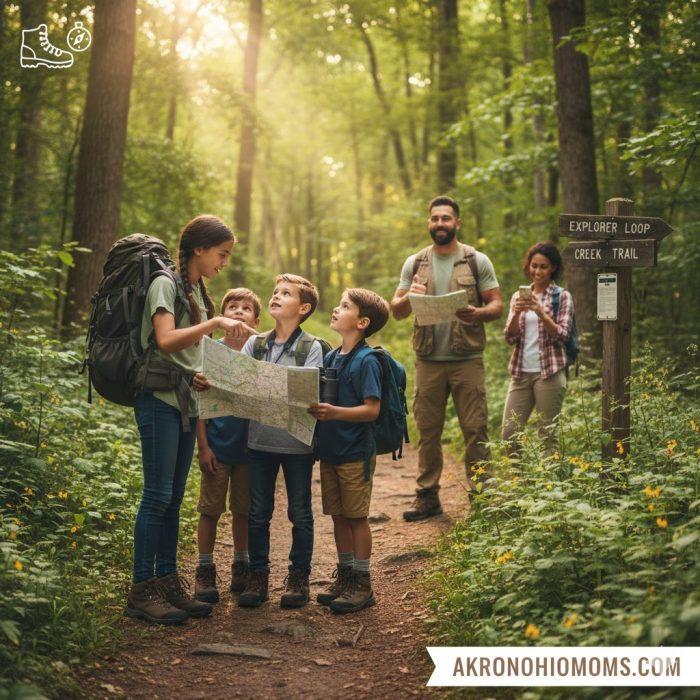
A good summer camp doesn’t just fill a schedule: it builds young hikers who know how to read a trail, respect a forest, and find comfort in fresh air.
For many kids, camp is the first place they carry their own pack, follow blazes through trees, and learn that muddy socks and tired legs usually mean a great day. When the outdoors becomes familiar early, it becomes a lifelong refuge instead of a once-in-a-while activity.
Where Can Families Start Their Search for Nature-Focused Summer Camps?
Posts on this site may contain sponsored content, paid link placements, or affiliate links. I may earn a commission or fee if you click a link or purchase through these recommendations at no additional cost to you.
There’s been a growing interest in kids spending more time outdoors, and more options for parents are available. Many start by going to a source like summercamps.com, where parents can search by region, activity/trip type, age, and summary (like proximity to home, number of overnights, etc.). This makes it easier to determine what is most important, whether it be time on the trail, gaining skills, how far away your child might be, or whether the offer is primarily hiking, general adventure play, or a multi-day on the trail.
What Makes a Summer Camp Awesome for Future Hikers?
Not every camp is built for trail-focused kids. Look for programs that will increase trail miles over the course of a day, help campers learn minimum-impact principles, and include an intro to map-and-compass work. Among other things, a good camp experience will help kids learn more about:
- Pace and the importance of drinking water
- Wildlife awareness and maintaining a safe distance
- How to move through a variety of terrain
The objective isn’t about how fast anyone makes it down the trail — it’s about building confidence, learning to embrace discomfort, and developing independent outdoor judgment.
Which U.S. Regions Offer the Best Training Ground for Youth Hikers?
Different landscapes shape different strengths.
- West Coast: elevation, switchbacks, volcanic terrain
- Rockies: alpine weather, gear layering, altitude learning
- Northeast: forest navigation + Appalachian trail foundations
- Southeast + Great Lakes: humidity tolerance, waterways, diverse wildlife
No region is “best,” only different. Choosing terrain is about matching curiosity with challenge.
How Do Camps Build Wilderness Safety and Navigation Skills?
Kids learn fast when they’re responsible for where their boots land. Many hiking-focused camps teach foot placement on slick trail rock, how to read topo lines, and how to pace themselves on an incline. Safety-oriented programs introduce basic first aid, group travel procedures, emergency decision-making, and weather-response planning. Challenge hikes — when managed smartly — help children learn that discomfort doesn’t equal danger, and that confidence is earned through small, repeated wins.
Which Camp Formats Work Best for Young Outdoor Enthusiasts?
Day camps introduce nature in a low-pressure setting; overnight camps build resilience. Expedition-style programs add route planning, meal prep, and sleeping under the same stars they hiked beneath. Some specialise in backpacking, others mix climbing, paddling, or conservation work. Fit the format to the child — not the other way around.
What Should Families Consider Before Sending a Child Into the Backcountry?
Well-fitted shoes beat expensive ones. Backpacks should rest on hips, not shoulders. Layers work better than one heavy jacket. Emotional readiness matters too — dirt, rain, bugs, tired legs. Talk through expectations early so curiosity wins over discomfort.
The right program turns forests into familiar places, trail markers into confidence, and challenge into excitement. When kids learn that adventure is something they can handle, the outdoors stops being scenery and becomes a lifelong space they belong to.
