

Most people who enter the nursing field do so right out of high school or after a traditional undergraduate path, but many others come to it later in life. Shifting gears toward nursing as a second career can feel challenging, yet the rewards often outweigh the difficulties. Whether you are leaving a corporate role, rethinking your professional direction, or returning to work after a long break, the path toward becoming a nurse can open up possibilities for growth and personal fulfillment.
Deciding to Change Career Paths
Posts on this site may contain sponsored content, paid link placements, or affiliate links. I may earn a commission or fee if you click a link or purchase through these recommendations at no additional cost to you.
The thought of leaving an established career for nursing may raise doubts, but it often begins with a genuine pull toward patient care. Many find themselves drawn to helping others face health challenges, and this personal motivation can guide your decision. Even those who were not previously involved in healthcare can discover new meaning in serving patients. Some do it through direct, on-campus programs, while others, including distance ABSN students, manage their studies remotely. The path is rarely simple, but it can feel more manageable once you acknowledge why you are seeking this change. The internal drive to improve patients’ lives frequently sustains those who embark on this second career track.
Meeting Educational Prerequisites
Transitioning into nursing requires meeting certain academic benchmarks. Many second-career nurses must fulfill science prerequisites and coursework they might never have pursued before. Chemistry, anatomy, and microbiology can be challenging, especially if you have not stepped into a classroom for years. Some manage by enrolling in part-time courses or evening classes to ease back into the academic environment. Plan out your schedule well in advance may help. Look into programs that factor in the nontraditional student’s circumstances, whether that involves flexible schedules or accelerated degrees.
Adapting to a Different Learning Environment
If your previous career involved working in an office, running a business, or operating in a field unrelated to healthcare, the shift into nursing school can be quite different. Classes might be more rigorous and fast-paced than what you remember. Instead of working toward deadlines on reports, you might master detailed medical concepts and practice clinical skills. Embracing new study techniques can help you absorb the material more thoroughly. Forming study groups, connecting with classmates, and seeking instructor advice can smooth the transition. Maintaining patience with your progress makes the learning curve less intimidating.
Gaining Clinical Experience and Confidence
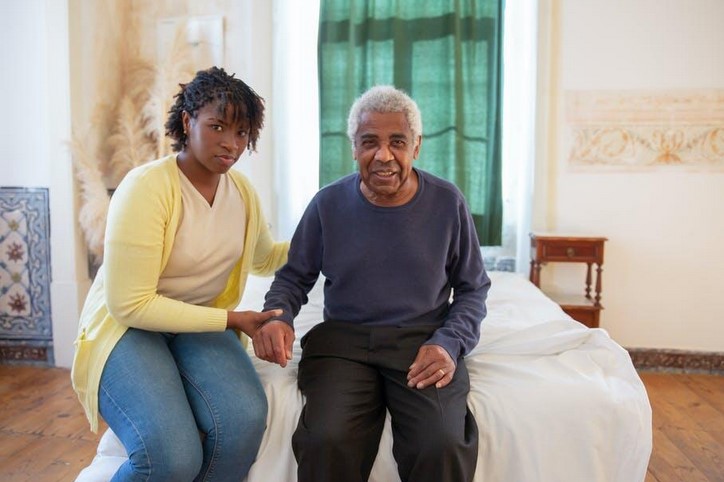
Clinical rotations give you the chance to work with real patients under supervision, and this hands-on exposure often sets the tone for your career. At first, you may feel out of your element. New equipment, medical jargon, and the pace of a clinical setting can feel demanding. Over time, though, you begin to piece together what you learned in class and apply it to patient care. With each shift, you gain a bit more confidence. Even if you sometimes doubt yourself, remember that every nurse started as a novice. Building trust in your abilities happens gradually, one patient interaction at a time.
Balancing Studies with Personal Commitments
Studying to become a nurse is time-consuming, and managing your obligations outside of school can be tricky. Those who have families, mortgages, and other responsibilities must learn to juggle competing priorities. Making a realistic schedule and setting boundaries can help you remain focused. It might mean carving out dedicated hours for coursework, speaking with loved ones about your new obligations, or seeking flexible work arrangements if you are employed part-time. Avoid pushing yourself to the point of burnout. Finding balance takes effort, but it helps maintain momentum on your path to becoming a nurse.
Setting Realistic Expectations for Growth and Opportunity
Nursing may not feel comfortable right away. The journey can include setbacks, frustrating exams, and moments of uncertainty. As you progress, your clinical skills develop. Communication with patients grows more natural, and complex medical information becomes less intimidating. The career possibilities within nursing extend far beyond hospital floors. Many nurses find satisfying opportunities in research, education, public health, or management roles once they gain experience. Keeping realistic expectations in mind allows you to move forward one step at a time, letting your career unfold as you gain knowledge and skills.
Pursuing nursing as a second career requires patience, dedication, and a willingness to embrace new learning experiences. The shift may feel demanding, but the sense of purpose and connection to those in need often makes it worthwhile. As you navigate prerequisites, develop clinical competencies, and find balance in your personal life, you are building a foundation for a meaningful career. Many who have made this change discover that their previous background complements their new profession, allowing them to draw on past experiences while caring for others. The path may be different from what you imagined, but it offers a chance to grow and contribute in ways that truly matter.
