

A well-designed deck is more than just a home addition, it’s a lifestyle upgrade. It provides a space to unwind, entertain, and connect with nature while extending your home’s usable square footage. Whether you’re envisioning a quiet morning retreat, an outdoor dining area, or a spacious setting for family gatherings, the right approach to deck building can turn that vision into a reality.
Building a deck requires more than picking out boards and hammering nails. From planning and materials to layout and maintenance, each step plays a role in ensuring your deck is durable, functional, and visually pleasing. A thoughtful design today can bring decades of enjoyment, adding both personal and resale value to your home.
Start With a Detailed Plan
Every successful deck project begins with a clear plan. Think about how you’ll use the space and what features will enhance your lifestyle. Will it be shaded or open? Elevated or flush with the ground? Do you need railings, built-in seating, or lighting?
The layout should match the flow of your home and yard. Measure accurately and mark boundaries before finalizing your design. This prevents layout surprises and helps with accurate budgeting. Incorporate multiple zones if your deck will serve various functions, such as lounging, dining, and cooking.
Be sure to check local building codes and homeowners association guidelines early in the process. Permits may be required for certain sizes or features, and setbacks from property lines or fencing rules can affect your plan.
Choose Materials for Performance and Style
Material selection influences how your deck looks, feels, and performs over time. While traditional pressure-treated lumber remains a popular option for its affordability, there are many alternatives to consider. Composite decking, made from a blend of wood fibers and plastic, offers a low-maintenance solution with excellent durability and fade resistance.
Cedar and redwood bring natural beauty and resistance to insects, but they do require regular sealing or staining to maintain their color. Tropical hardwoods like ipe or mahogany are prized for their density and lifespan, but can be more difficult to work with due to their weight and hardness.
Posts on this site may contain sponsored content, paid link placements, or affiliate links. I may earn a commission or fee if you click a link or purchase through these recommendations at no additional cost to you.
Your climate, budget, and maintenance preferences should guide your decision. Understanding the pros and cons of each type of wood or composite will help you choose the best option for your specific environment. Long-term performance often depends on both the quality of the material and how well it’s maintained.
Prioritize a Solid Foundation
No matter how beautiful your deck looks on the surface, it needs a stable and secure foundation to last. The footing and framing system must support the deck’s weight and resist shifting due to soil movement, moisture, or freeze-thaw cycles.
Concrete footings are typically used to anchor support posts into the ground. These need to be poured below the frost line in colder climates to prevent heaving. Use pressure-treated lumber for joists and beams to ensure they stand up to moisture and resist decay.
Proper spacing of joists and beams ensures structural integrity and helps prevent sagging. If your deck includes stairs or multiple levels, these elements require additional planning and support to meet safety and building code requirements.
Add Features That Boost Comfort and Function
Integrating extra features into your deck can make it feel like an extension of your indoor living space. Shade structures, such as pergolas or retractable awnings, can create a more comfortable environment for hot, sunny days. For evening use, consider installing low-voltage lighting along railings, steps, and posts to improve both ambiance and safety.
Built-in benches or planter boxes can add function without cluttering the layout. An outdoor kitchen or grill station turns your deck into a hub for entertaining, especially when paired with weather-resistant storage for utensils and supplies.
Privacy screens made of wood slats, lattice, or vertical gardens help create a more intimate setting, especially if your deck faces neighboring homes. These features can be designed to blend seamlessly with the deck structure, enhancing its overall aesthetic.
Don’t Overlook Drainage and Ventilation
Good drainage and airflow are crucial to preserving the longevity of your deck. Without proper moisture management, even treated wood can become vulnerable to rot, mildew, and warping. Install your boards with adequate spacing to allow water to run off and air to circulate.
If your deck is attached to the house, use flashing to prevent water intrusion at the connection point. Composite decks require careful installation to avoid moisture buildup underneath. Raised decks benefit from skirting that allows airflow while concealing the structural elements and preventing debris accumulation.
Gutters and downspouts on nearby roofs should be redirected so water doesn’t pour directly onto the deck. Thoughtful drainage planning reduces long-term maintenance and keeps the surface safer after rainfall.
Maintain for Long-Term Enjoyment
Even the best-built decks need regular maintenance to stay in top shape. Wood decks should be cleaned annually and resealed or stained every two to three years, depending on the exposure and type of finish used. Sweep regularly to remove debris and prevent mildew growth.
Composite decks are lower maintenance but still benefit from seasonal cleaning to remove dirt and prevent staining. Check fasteners, railings, and structural elements yearly for signs of wear, rust, or movement.
If your deck is older and starting to show signs of age, refinishing or partial replacement can extend its life without a full rebuild. Periodic care ensures your deck remains a valuable and attractive part of your outdoor living space.
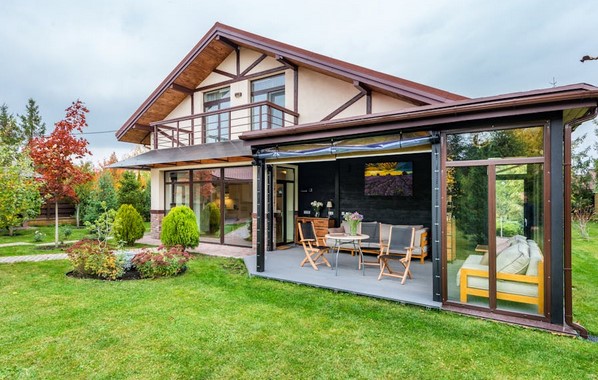
Transforming your outdoor space with a well-planned deck brings year-round value and enjoyment. With the right materials, design, and maintenance routine, your deck can offer a comfortable, inviting retreat that blends seamlessly with your home and lifestyle. By approaching the project with attention to detail and smart choices, you’ll create a space that not only looks beautiful but stands strong for years to come.
