
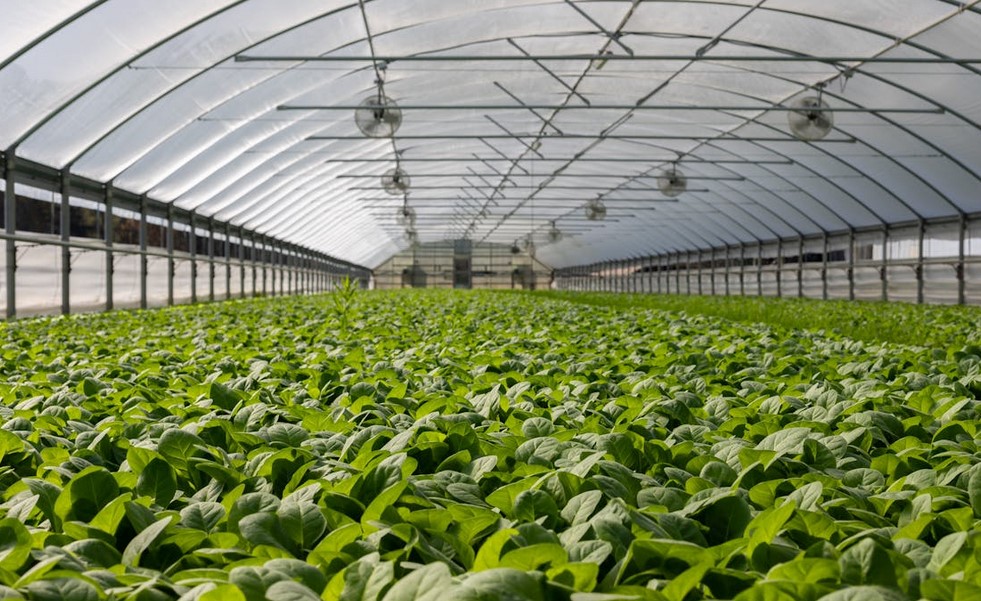
What does it really mean to study agriculture? Sure, we know it’s about farming and growing food, but what skills do you actually pick up along the way? It’s more than just planting seeds and harvesting crops. Agriculture is a hands-on field that teaches you a wide range of abilities.
In this blog, we will explore the different skills you develop through agricultural studies, from understanding the science behind crop growth to managing a business.
Understanding the Basics of Agriculture
At the core of agricultural studies is the mastery of fundamental concepts such as soil science, plant biology, and animal husbandry. These basics form the bedrock upon which all specialized agricultural knowledge is built. For students pursuing agricultural studies, understanding these principles is crucial for both practical farming and advanced academic pursuits in the field. Agricultural programs typically start with these fundamentals, ensuring that students have a solid understanding of the processes that drive natural systems and how they can be managed effectively. This foundational knowledge not only prepares students for more complex topics but also gives them the tools needed to innovate and adapt in their future careers.
Technical Proficiency and Technology Integration
Posts on this site may contain sponsored content, paid link placements, or affiliate links. I may earn a commission or fee if you click a link or purchase through these recommendations at no additional cost to you.
Agriculture today is as much about technology as it is about tilling the soil. Modern farms and agricultural operations leverage technologies such as GPS mapping, drone surveillance, automated irrigation systems, and precision farming techniques to increase efficiency and yield. Specialized education programs, particularly those leading to a bachelors of agriculture, heavily emphasize the integration of these technologies. Students learn not only how to use these advanced tools but also how to continually adapt to new technological advancements. This technical proficiency prepares graduates to be at the forefront of the agricultural sector, capable of leading the way in innovation and implementation of new agricultural technologies.
Research Skills
A significant component of agricultural studies involves research. Students engage in a wide range of research activities, from conducting field experiments to analyze crop patterns to engaging in socio-economic studies on market trends and consumer behavior in agriculture. These activities help students develop strong research skills, including data collection, statistical analysis, and scientific reporting. The ability to conduct rigorous research is invaluable, as it empowers students to contribute to the development of more sustainable, productive, and cost-effective agricultural practices.
Environmental Awareness
Given the critical impact of farming on the environment, a key focus of agricultural studies is cultivating a deep understanding of sustainable practices. Students learn about the consequences of agriculture on ecological systems and are taught how to develop farming practices that protect and preserve the environment. This includes studying water conservation methods, integrated pest management that minimizes chemical use, and crop rotation practices that enhance soil health. By integrating these principles into their curriculum, agricultural programs ensure that graduates are not only skilled in efficient farming techniques but are also advocates for environmental stewardship.
Business and Economic Acumen
Agriculture is not only a science but also a business. Therefore, agricultural studies often include significant coursework in business management, agricultural economics, and marketing. Students learn how to create business plans, conduct market analysis, and manage agricultural enterprises effectively. These skills are crucial for anyone looking to operate a successful farm or agricultural business. They are also applicable in a range of other sectors where budgeting, economic forecasting, and strategic planning are key to success.
Problem Solving and Critical Thinking
In the dynamic world of agriculture, challenges such as pest infestations, unpredictable weather, and fluctuating market prices are common. Agricultural studies teach students how to approach these challenges using critical thinking and problem-solving skills. Through case studies, simulations, and real-world projects, students learn to analyze problems, weigh options, and devise practical solutions. This skill set is essential not only in agriculture but also in any field where strategic decision-making and innovation are required. By developing these skills, students are prepared to tackle complex issues and lead advancements in their chosen fields.
Communication Skills
Effective communication is crucial in the agricultural sector, where explaining complex concepts to non-specialists, negotiating contracts with suppliers, and marketing products to consumers are all in a day’s work. Agricultural education programs place a strong emphasis on developing robust verbal and written communication skills. Students participate in presentations, write detailed reports, and engage in discussions that improve their ability to convey information clearly and persuasively.
Leadership and Teamwork
Agricultural projects often require a team approach, combining the expertise of agronomists, scientists, managers, and laborers. Agricultural studies prepare students for leadership roles by offering opportunities to lead group projects and manage collaborative efforts. These experiences help students develop leadership qualities such as delegation, motivation, and conflict resolution. Additionally, working in teams helps them appreciate the value of diverse perspectives and builds their capacity to work effectively in group settings. This training is vital in any career where teamwork and leadership are integral to success.
Legal and Ethical Understanding
Navigating the legal and ethical aspects of agriculture is another critical skill taught in agricultural studies. Students learn about the laws and regulations that govern land use, animal welfare, food safety, and environmental protection. This legal framework is essential for operating within the industry’s standards and avoiding potential legal issues. Moreover, ethical considerations are also a major focus, as students discuss topics such as sustainable resource management, ethical treatment of animals, and the social responsibilities of agricultural enterprises. This knowledge not only prevents legal pitfalls but also builds a foundation for ethical leadership in the field.
Global Perspective
In today’s interconnected world, understanding global agricultural issues is more important than ever. Agricultural studies expose students to international farming practices, global trade policies, and worldwide sustainability challenges. This global perspective is crucial for students who will deal with imports and exports, participate in global markets, or work on international development projects. It broadens their understanding and prepares them to make informed decisions that consider both local and global impacts.
Wrapping Up…
Agricultural studies equip individuals with a robust toolkit that extends far beyond the farm. The ability to understand complex systems, whether it’s soil, weather patterns, or market trends, fosters critical thinking and problem-solving. Moreover, the hands-on nature of agriculture cultivates practical skills like planning, organization, and resource management. These qualities, combined with a deep appreciation for the environment and sustainability, make agricultural graduates well-rounded individuals capable of tackling challenges in various fields.
