
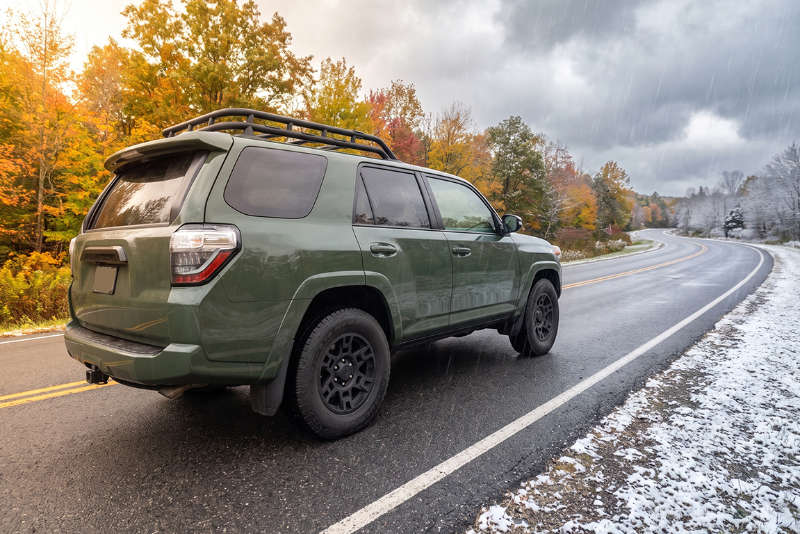
Spring rain slicks the roads; summer brings long highway stretches and road-trip miles; autumn covers everything in wet leaves; while winter throws in ice before the sun’s even up. Because of this, the tires you choose should depend on the season and road conditions you’ll be driving on.
That said, swapping tires every few months to adjust to the season is simply not realistic. Between the cost, time, and hassle of storing a second set, it’s a lot to keep up with. That’s why you should consider all weather tires. These tires are designed to handle rainy days, dry pavement, and moderate snow, so you can avoid seasonal tire changes.
What Are All Weather Tires?
All weather tires are built to handle a wider range of conditions than standard all season tires. They combine the everyday comfort and tread life you’d expect from all season tires with extra traction for light-to-moderate snow conditions, closer to what you’d get from a dedicated winter tire.
Posts on this site may contain sponsored content, paid link placements, or affiliate links. I may earn a commission or fee if you click a link or purchase through these recommendations at no additional cost to you.
The difference comes down to the rubber compound and tread design. Traditional all season tires use a harder compound that stiffens up once temperatures drop, which cuts into their grip on snow and ice. All weather tires use a rubber compound that stays flexible in colder weather, so they provide more traction when the roads turn slick.
This flexibility doesn’t come at the cost of warm weather performance. All weather tires can handle rain and dry pavement well, giving you steady grip whether you’re driving through a summer downpour or a light winter storm. It’s the kind of tire that lets you stop thinking about the seasons and just drive.
Why Seasonal Driving Demands Versatile Tires
Every season brings its own driving conditions, which is why choosing tires mainly depends on the season. Here’s a closer look at what each season demands and why a versatile tire can make handling different weather conditions easier.
Spring
Spring weather can be hard to predict. Rain is common and often combines with melting snow, making roads wetter than usual. Potholes also tend to appear this time of year, a result of months of freezing and thawing that wear down pavement. On top of that, temperatures can shift quickly between chilly mornings and mild afternoons, so your tires need to adjust just as fast as the conditions change.
Summer
Summer road trips often result in higher highway mileage. Hot pavement can affect tire performance, and sustained high speeds place additional demands on stability and control. Long stretches also raise the odds of common driving accidents, so a tire that holds up well under heat and mileage makes those stretches feel much more comfortable.
Autumn
Autumn brings its own challenges, and wet leaves are a big one. They collect on the road and create a surface that can be just as slick as rain or light ice, especially in shaded areas or early in the morning. Cooler temperatures and unpredictable weather, including fog and sudden rain, add to the mix, making autumn a season in which conditions can change with little warning.
Winter
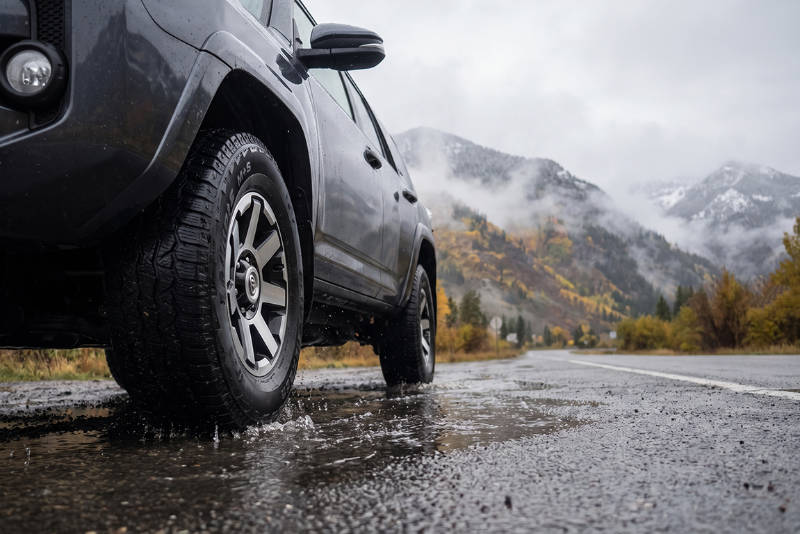
Winter tends to test tires more than any other season. Snow, slush, ice, and cold temperatures all reduce traction, and a tire’s compound and tread design play a major role in how well it handles these conditions. Stiffer rubber and shallow tread patterns can make a real difference in how safely you get from one place to another.
Exploring Different Landscapes with Confidence
Part of what makes all weather tires appealing is how well they adapt to different types of driving, not just different seasons. Rural back roads often have uneven pavement, gravel patches, and less consistent maintenance, so having tires with reliable traction makes a real difference. The same goes for country roads, where narrow lanes and unpredictable surfaces call for tires you can count on, no matter what’s around the corner.
National parks and mountain highways have specific demands. Elevation changes, sharp curves, and shifting weather are common in these areas, and stable handling becomes especially important when the road itself is part of the challenge. All weather tires are built to keep their grip through these variations.
Urban commuting is a different kind of experience. Stop-and-go traffic, wet crosswalks, and daily wear all add up over time, and a tire that performs consistently in these everyday conditions helps commuting feel less like a chore. Weekend getaways combine a bit of everything: highway miles to get there, unfamiliar roads once you arrive, and no way to know exactly what the weather is like. Packing the right safety essentials and knowing what to do if you are ever in an accident can make those unpredictable trips feel a lot less stressful.
Across all of these settings, the appeal of all weather tires comes down to a few key things. Better traction means fewer surprises on unfamiliar or changing surfaces. Stable handling keeps the ride predictable, whether you’re merging onto a highway or winding through the mountains. And because these tires perform well across a wide range of conditions, you’re not stuck thinking about seasonal tire changes before every trip.
Benefits of Choosing All Weather Tires
Year-round convenience. One set of tires handles daily driving in every season, so there’s no need to switch tires as temperatures change.
Improved wet-weather grip. Tread compounds and patterns are designed to channel water efficiently, helping maintain traction on rain-soaked roads.
Better cold-weather flexibility than many all season tires. The rubber compound remains more pliable at low temperatures, so the tire maintains better contact with the road when it’s cold.
Snow-certified performance. All weather tires carry the three-peak mountain snowflake (3PMSF) rating, meaning they meet a recognized standard for snow traction.
Reduced seasonal tire storage. Drivers don’t need to store, swap, or find space for a separate set of winter tires.
Potential long-term savings. A single set built for multiple seasons can reduce the cost and hassle of buying and maintaining two tire sets.
Ideal for families with one primary vehicle. Households that rely on a single car for all conditions get a practical middle ground between all season and winter tires, whether that means the daily commute or a family getaway.
Keep in mind that while all weather tires outperform all season tires when it comes to winter conditions, they are not a substitute for winter tires. Drivers who often face severe winter conditions should opt for winter tires instead of all weather options.
Are All Weather Tires Right for You?
For drivers who experience all four seasons and want tires that adapt without much fuss, all weather tires are the right option. If you drive mostly on paved roads, want the convenience of skipping seasonal swaps, and don’t deal with frequent severe winter storms, all weather tires are a solid fit for your daily driving needs.
That said, drivers who face harsh winter conditions should choose winter tires instead. Extreme mountain regions have a lot more snow and ice, which is not something all weather tires can handle. Not to mention that commercial and off-road driving calls for tires designed for those specific demands. Simply put, if you live in an area with prolonged heavy snowfall, dedicated winter tires are the safer and more reliable option.
Conclusion
Driving conditions shift throughout the year, and each season tends to bring its own set of demands on the road. All weather tires offer a balanced solution for drivers who want year-round versatility without the hassle of switching tires as conditions change. Choosing all weather tires will enhance safety, convenience, and confidence, whether you’re commuting to work, running errands around town, or heading out on a seasonal road trip.
At the end of the day, the right tires are more than performance specs. They’re about peace of mind. With a dependable set of all weather tires, you can feel prepared for every journey ahead, no matter what the forecast has in store.
