
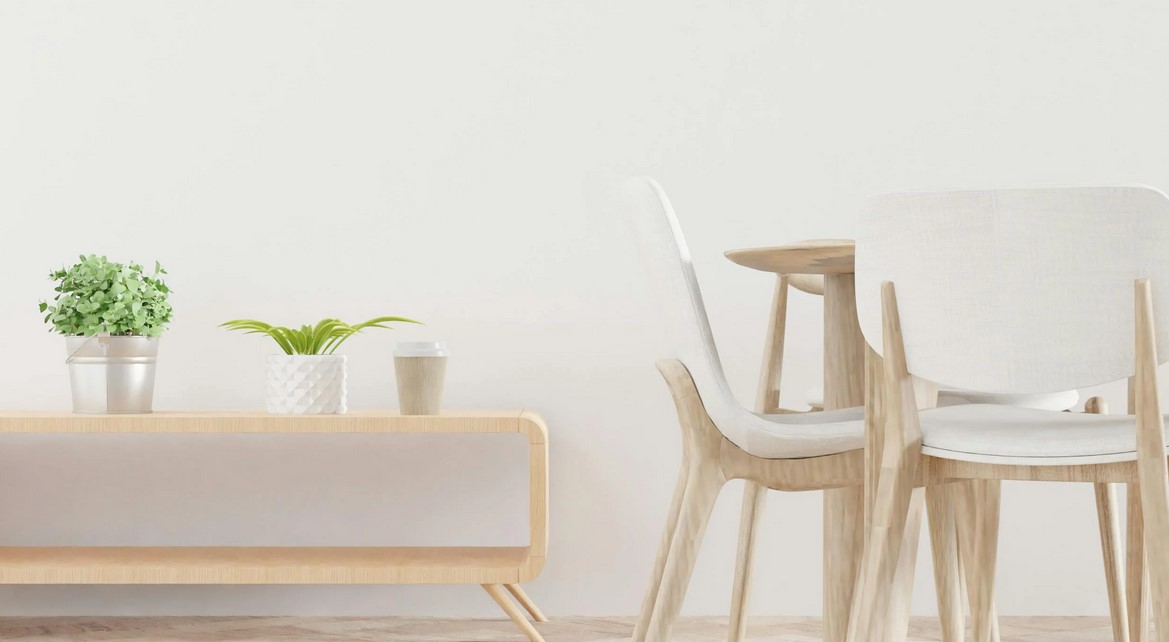
Neutral interiors are rarely about playing it safe. When done well, they feel considered, collected, and fresh. The palette might lean soft, but the mood doesn’t have to be quiet. A well-balanced neutral room gives the eye places to rest and points of interest to hold it there. That takes a mix of contrast, texture, and careful layering.
A home built on beige and cream can still make a strong impression. The key is knowing where to add an edge and how to pull it back.
Start With One Strong Foundation Piece
Every room benefits from a base that does more than sit back. Neutral tones don’t mean invisible. A bold anchor in a tone-on-tone space creates energy without throwing off the balance.
Posts on this site may contain sponsored content, paid link placements, or affiliate links. I may earn a commission or fee if you click a link or purchase through these recommendations at no additional cost to you.
A black and white rug is often the best place to start. It breaks up soft flooring and creates a crisp visual line that grounds the rest of the room. Patterns like herringbone, grids, or even soft geometric curves can carry weight without feeling loud. In neutral design, contrast carries more weight than color.
Pairing that rug with low-slung seating in off-white or oat allows the space to breathe. The goal isn’t to make the rug scream but to let it steer.
Use Texture to Build Depth
The texture becomes the color in rooms that avoid bold hues. Without it, everything can flatten. The trick is making each surface feel like it belongs in the same ecosystem but adds something fresh.
Mixing materials works best in layers:
- Linen or gauze curtains that diffuse light without blocking it
- Raw ceramics in muted tones to break up gloss
- Leather or faux leather accents in faded camel or taupe
- Plaster or limewash walls with just enough movement to catch the eye
- Woven cane or jute for base texture
All these play together quietly, but none of them disappear. Each texture adds a subtle hit of variety that keeps the space from feeling static.
Add Bold Shapes, Not Loud Colors
Personality doesn’t have to come from the color wheel. Interesting silhouettes draw as much attention. A round coffee table with a chunky base or a curved accent chair brings movement to a neutral room. That movement adds personality without pulling attention too far from the rest of the space.
Visual rhythm matters. If everything is squared off and perfectly matched, the result can feel a little too curated. Breaking that up with an arched mirror or an organic wall sconce shifts the tone toward lived-in rather than showroom.
Leave Room for Breathing Space
Empty wall space and open shelves shouldn’t feel like missed opportunities. They help draw attention to the details that are already there. Filling every inch of a neutral space can quickly mute the charm.
Make sure the styling leaves gaps. That might look like:
- One oversized vase with breathing room instead of three small ones crammed together
- An art print hung lower to give negative space above
- A bench at the foot of a bed with only a single folded throw
- Open corners that don’t feel rushed to be useful
These choices signal confidence. They give each object or surface space to shine, which reinforces the room’s personality through restraint.
Make Small Color Choices Feel Intentional
Even neutral spaces benefit from an accent tone. Choose only one and stick with it. A deep forest green or clay red used in small, strategic spots can carry through the space without changing the overall mood.
That color might only appear in a few spots. You can see it in a book spine or a trim edge on a throw pillow. Because the rest of the palette is pulled back, even those small moments of color feel like design statements.
When repeated, they guide the eye across the room in a way that feels natural but still structured.
Neutral Doesn’t Mean Forgettable
Designing a personality-driven space with minimal color doesn’t require taking a backseat. A neutral design gives the textures and the form a chance to stand out. It’s less about silence and more about clarity.
The best neutral rooms tell a story through quiet confidence. They let materials do the talking; shapes provide the style, and contrast offers punctuation. With that kind of foundation, personality doesn’t need to shout—it just shows up.
