
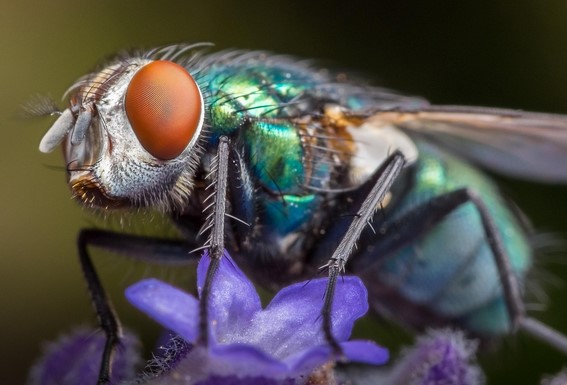
Household pests are more than just a nuisance; they can affect your health, damage your property, and cost you valuable time and money. While chemical treatments are effective, many homeowners are turning to natural pest control methods that are safer for families, pets, and the environment. The good news is that with a few practical changes and non-toxic solutions, you can effectively manage pests without harsh chemicals.
From kitchen ants to garden aphids, nature provides a variety of ways to keep unwanted critters at bay. These easy and eco-friendly tips can help prevent infestations and create a healthier living space.
Consult With Professionals When Needed
Posts on this site may contain sponsored content, paid link placements, or affiliate links. I may earn a commission or fee if you click a link or purchase through these recommendations at no additional cost to you.
While do-it-yourself methods can go a long way in controlling pests, there are times when expert guidance is necessary. If you’re dealing with a major termite issue or a persistent rodent problem, pest control experts may be able to diagnose the root cause more efficiently than over-the-counter solutions. Natural pest control doesn’t mean going it alone.
Many professional pest services now offer integrated pest management (IPM) plans that focus on prevention and environmentally friendly treatments. These specialists assess entry points, nesting areas, and environmental conditions to create tailored plans that rely less on chemicals and more on sustainable practices. When a natural approach is combined with expert knowledge, it often results in long-term effectiveness.
Keep a Clean, Clutter-Free Home
Cleanliness is your first defense against pests. Crumbs, spills, standing water, and open containers provide a buffet for insects and rodents. To reduce your home’s appeal to pests, make it a habit to wipe down counters, clean up food immediately, take out trash regularly, and seal food in airtight containers.
Pay close attention to overlooked areas such as under appliances, garbage bins, pantry shelves, and drains. Even a few drops of juice or pieces of dry food can attract ants or cockroaches. Vacuuming regularly and keeping laundry off the floor can discourage insects like silverfish or carpet beetles from settling in.
Decluttering storage areas like basements, garages, and attics eliminates hiding places for mice and spiders. Use sealed plastic bins instead of cardboard boxes, and rotate stored items periodically to discourage nesting.
Seal Entry Points Around the Home
Preventing pests from entering your home is just as important as removing the ones already inside. Tiny cracks, gaps under doors, torn screens, and loose weather stripping offer easy access points for a wide range of intruders.
Walk around your home and inspect windows, door frames, baseboards, utility pipes, and rooflines. Use caulk, foam sealant, or metal mesh to close off these areas. Install door sweeps on exterior doors and repair any damaged screens. Don’t forget to check vents and dryer exhaust outlets, which can serve as hidden entrances for small animals and insects.
Try Safe, Homemade Repellents
You likely have many effective pest control ingredients right in your pantry. Simple household products like vinegar, baking soda, essential oils, and citrus peels can work wonders when used correctly.
A mix of white vinegar and water can repel ants and sanitize surfaces. Peppermint and tea tree essential oils are known to deter spiders, mosquitoes, and mice. Just a few drops added to water in a spray bottle can freshen up your home while keeping pests away.
Maintain Outdoor Areas Thoughtfully
Your yard, garden, and exterior structures can either help prevent or invite pests inside. Overgrown shrubs, wood piles, stagnant water, and untrimmed trees can provide breeding grounds and pathways for bugs and rodents.
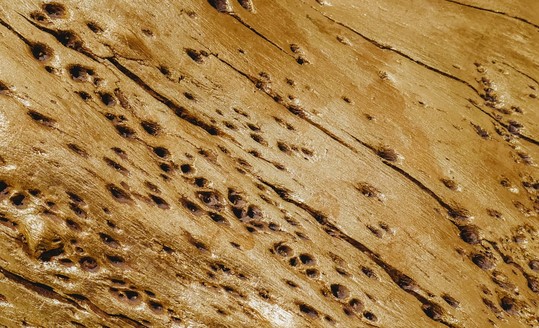
Keep grass trimmed and clear debris from around the foundation of your home. Store firewood at least 20 feet away from the structure and off the ground to avoid termite or rodent infestations. Drain rain barrels and clean gutters regularly to prevent mosquitoes from laying eggs in standing water.
Composting is great for the environment, but food scraps can attract pests if not properly managed. Use sealed compost bins and avoid adding meat or dairy. If you grow fruits and vegetables, harvest regularly and clean up fallen produce to reduce temptation for squirrels, raccoons, or insects.
Encourage Natural Predators
One of the best natural pest control methods is to let nature take care of itself. Birds, bats, frogs, and beneficial insects like ladybugs and lacewings are excellent pest controllers when they’re welcomed into your environment.
Install bird feeders or birdbaths to attract feathered allies. Bat houses can reduce mosquito populations dramatically, while frogs and toads help keep beetles and snails in check. Avoid using broad-spectrum pesticides that kill off these helpful predators.
Natural pest control is more than a trend, it’s a sustainable, responsible approach to managing household invaders. By staying proactive and creating an environment that’s uninviting to pests, you can enjoy peace of mind without relying on toxic chemicals. A combination of good habits, preventative maintenance, and targeted natural solutions will help you keep your home pest-free the smart and healthy way.
