
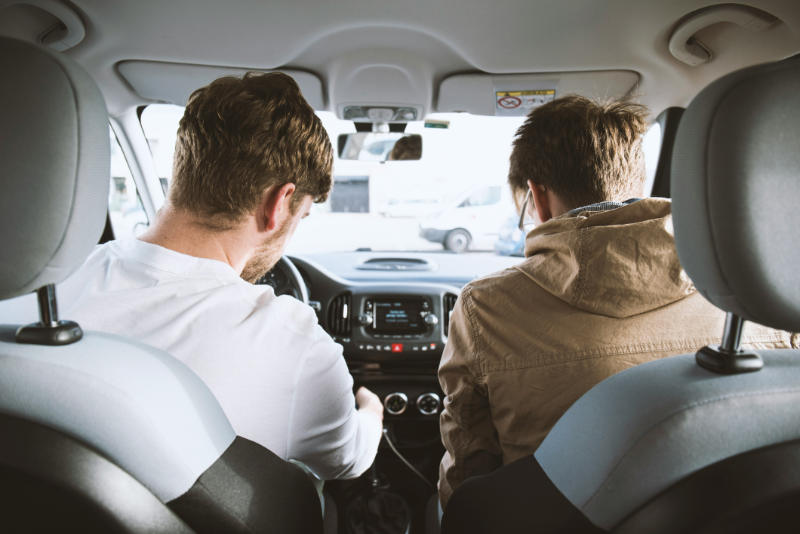
As parents, we spend a lot of our lives in the car. We’re always driving, whether it’s for school drop-offs, soccer practice, or family road trips. It often feels like our car is a second home. All those hours on the road mean our kids are watching and learning from us. Teaching them to be safe, responsible drivers starts way before they ever get their learner’s permit. It really begins with the habits we show them every single day.
Lead by Example on the Road
When you make sure to follow the speed limit, use your turn signals, and keep a safe distance from other cars, you’re doing more than just being a good driver. You’re actually their first and most important driving instructor. These small, everyday actions build the foundation for how they’ll drive in the future. The habits they see you practice will become the automatic things they do when they’re behind the wheel themselves.
Distraction-Free Driving Tips
Posts on this site may contain sponsored content, paid link placements, or affiliate links. I may earn a commission or fee if you click a link or purchase through these recommendations at no additional cost to you.
Distracted driving is one of the biggest dangers on the road these days. It can feel impossible to stay focused when you’re juggling kids, snacks, and technology. But staying focused is a must if you want to keep your family safe. The effort to end distracted driving starts with each of us choosing to pay attention to the road.
Here are some simple tips to keep your car a distraction-free zone:
- Put your phone away. Don’t leave it on your lap or in the cup holder. Put it somewhere you won’t be tempted to grab it, like the glove compartment or your purse in the back seat.
- Set things up beforehand. Program your GPS and pick your music or podcast before you even start driving.
- Plan for snacks and drinks. Avoid messy foods that need both hands. If a child needs help or spills something, pull over somewhere safe to deal with it.
- Secure everything. Loose items can become dangerous if you have to stop suddenly. Make sure groceries, sports gear, and backpacks are secured in the trunk or on the floor.
Understanding Large Vehicle Blind Spots
You need extra awareness when sharing the road with large commercial trucks. These vehicles have big blind spots, often called “no-zones,” where the driver can’t see smaller cars. Teaching your family to spot and avoid these areas is a really important safety lesson. A good rule of thumb is this: if you can’t see the truck driver in their side mirror, they can’t see you.
The main blind spots are right in front of the cab, directly behind the trailer, and along both sides of the truck. When you pass a large truck, do it on the left side where the driver’s blind spot is smaller, and don’t hang out next to it. Crashes involving these vehicles can be especially serious due to their size and weight. If your family is ever involved in one of these accidents, speaking with an experienced truck accident lawyer can help you better understand your options and protect your rights while navigating the aftermath.
Teaching Teens Responsible Driving
When your child is ready to learn to drive, the lessons you’ve shown them for years become more direct. This is the time to openly talk about the responsibilities that come with a driver’s license. Many families find it helpful to create a driving contract between parents and teens. This clearly lays out the rules and what happens if they’re broken. This agreement can cover everything from curfews and the number of passengers they can have to a strict rule against using their phones while driving.
It’s also important to give them lots of supervised practice in different situations. Don’t just stick to sunny days on roads they know well. Make sure they get experience driving at night, in the rain, and in highway traffic while you’re there to guide them. These practical experiences can help their teens develop safe driving habits that will last a lifetime.
The goal is to gradually build their confidence and skills. This makes sure they’re ready for what driving is really like. Your guidance and trust are key to helping them become safe, independent drivers.
