
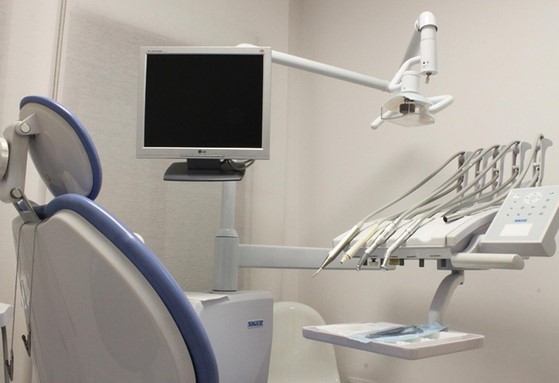
Women’s dental needs change significantly from adolescence through senior adulthood. This evolution can be attributed to various factors, including hormonal changes, lifestyle choices, and the natural aging process. Throughout different life stages, women often face unique dental health challenges that require tailored approaches and treatments to achieve optimal oral health. Understanding these variations can help women better manage their dental care throughout their lives.
Foundation for Lifelong Dental Health
Posts on this site may contain sponsored content, paid link placements, or affiliate links. I may earn a commission or fee if you click a link or purchase through these recommendations at no additional cost to you.
During the teenage years, women experience a variety of physical and hormonal changes that can impact oral health. With the onset of puberty, estrogen levels rise, and this hormonal shift can increase the risk of gum disease if teenagers have poor oral hygiene. Regular dental check-ups are important during this stage to identify any issues early on and implement appropriate preventive measures. Dentists often recommend orthodontic interventions, such as braces, to correct alignment issues, which are common at this age.
Teenagers should be educated about the importance of proper oral hygiene practices. Brushing and flossing regularly, as well as avoiding sugary snacks and beverages, can significantly influence long-term dental health.
Embracing New Responsibilities
As women transition into their twenties and thirties, they face various life changes that pose different dental challenges. This stage often includes higher education, new job responsibilities, and the potential for starting families. Stress from these activities can lead to neglecting dental care and developing undesirable habits, such as teeth grinding or poor diet choices, which can impact oral health. Regular dental visits will help monitor these emerging issues, making it easier to address them before they become significant problems.
Women in their young adult years may experience dental issues tied to hormonal fluctuations due to pregnancy or menstrual cycles. For pregnant women, maintaining optimal oral health becomes even more crucial, as pregnancy-related hormonal changes can lead to conditions like pregnancy gingivitis. Scheduling an appointment with a dentist during pregnancy helps monitor these changes and prevent complications. Regular dental check-ups throughout pregnancy ensure any potential issues are addressed promptly.
Addressing Changes with Age
Entering the forties and fifties, women often experience more extensive changes in dental needs due to the onset of menopause. The drop in estrogen levels can lead to a decrease in bone density, increasing the risk of tooth loss and periodontal disease. At this stage, women must pay closer attention to their dental hygiene routines and consider factors such as dietary changes that come with aging. Incorporating calcium-rich foods and maintaining hydration can greatly help in preserving oral health.
Dental professionals may recommend more frequent check-ups during this phase, as women are at a higher risk of developing issues such as cavities, dry mouth, and gum disease. Receding gums may become more pronounced during this time, leading to further problems if not addressed proactively. Procedures, such as dental crowns Rock Hill or your area, can assist in repairing damaged teeth and maintaining proper function and aesthetics. As women navigate this crucial life stage, it is good to prioritize dental health to avoid complications in the future.

The Golden Years
As women transition into their sixties and beyond, maintaining oral health takes on new significance. Older adults can often find themselves dealing with accumulated dental issues, stemming from years of wear and tear, neglect, or changes in health conditions. Dental professionals typically focus on more preventive care, emphasizing the link between systemic health and oral health. This stage may see increased incidences of chronic conditions such as diabetes, cardiovascular disease, and osteoporosis, all of which can significantly impact oral health.
Adjustments to health-related needs may necessitate specific accommodations in oral care routines. Dental professionals may recommend specialized cleaning techniques or specific types of toothbrushes for elderly patients who experience limited mobility. Routine check-ups become vital for early detection of potential issues, including oral cancer screenings that can catch any irregularities.
Understanding how women’s dental needs change with each life stage is crucial for promoting long-term oral health. By recognizing and addressing unique challenges, women can implement effective strategies to enhance their dental care throughout their lives. Each stage presents its own challenges and considerations, highlighting the importance of proactive care and education at every age.
