
Posts on this site may contain sponsored content, paid link placements, or affiliate links. I may earn a commission or fee if you click a link or purchase through these recommendations at no additional cost to you.
Embarking on a home remodel is an exciting time filled with possibilities. As you pick out new paint colors and flooring, it’s also the perfect opportunity to think about upgrades that make your home feel safer and more secure. Integrating security features during construction is often easier and more cost-effective than adding them later, especially when considering options like motion sensor lighting. Thinking about these elements from the start ensures they are seamlessly part of your home’s new design, not an afterthought.
Prioritizing Security During Remodels
When your home is already a construction zone, it’s the ideal time to plan for security infrastructure. With walls open and electricians on site, running wires for cameras, sensors, and smart home hubs is much simpler. Think about where you might want security devices in the future. Even if you don’t install a full system right away, pre-wiring key locations gives you flexibility down the road. This is a great chance to explore the latest smart home technologies and decide which ones fit your family’s lifestyle. A little forethought during a remodel can save you headaches and money later.
Choosing the Right Surveillance Solutions
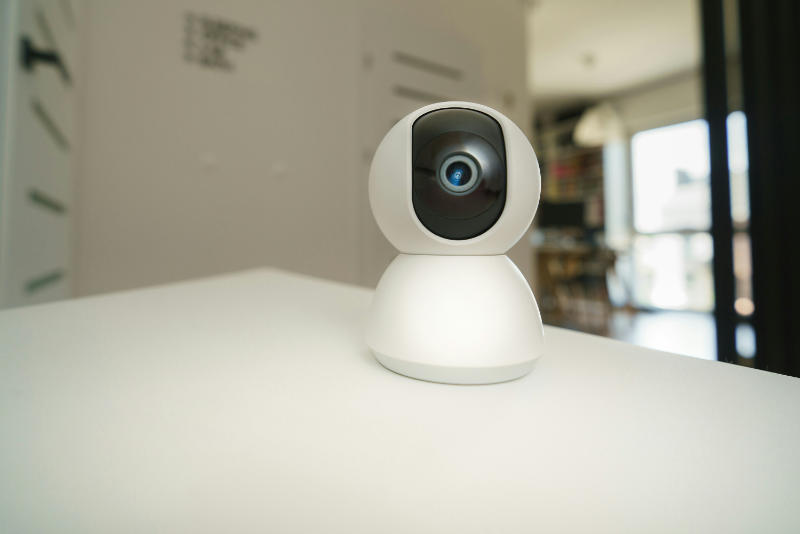
Visual monitoring is a cornerstone of modern home security. The market is filled with options, so it’s helpful to consider what you need. Do you want to see who is at the front door? A video doorbell might be enough. For broader coverage, you might want a network of indoor and outdoor security cameras to keep an eye on the yard, garage, and main living areas. Look for features like high-definition video, night vision, and motion alerts that get sent directly to your phone. Thankfully, many of these systems are becoming more user-friendly, with simple app interfaces that make setup and daily use a breeze.
Smart Lighting Integration for Safety
A well-lit home is a less attractive target for potential intruders. Smart lighting takes this concept to the next level. You can set schedules for lights to turn on and off throughout the evening, creating the illusion that someone is always home, even when you’re out for dinner or away on vacation. Many smart bulbs and switches can be linked to motion sensors, so exterior lights can flood an area with brightness if movement is detected. You can also control your lights from anywhere using a smartphone app, giving you the ability to turn on the porch light before you pull into the driveway.
Entry Point Reinforcement
While technology offers powerful tools, don’t overlook the physical strength of your home’s entry points. Your doors and windows are your first line of defense. During a remodel, consider upgrading to a solid-core exterior door and a high-quality deadbolt lock. Reinforce the door frame and strike plate, which are often the weakest points during a forced entry. For windows, especially on the ground floor, ensure the locks are sturdy and functioning correctly. You can also add security film to glass, which makes it much harder to break.
Beyond the Basics of Home Security
A secure-feeling home is about more than just preventing break-ins. Smart technology can also alert you to other potential problems. Smart smoke and carbon monoxide detectors can send an alert to your phone if they go off, letting you know about a fire or gas leak even if you aren’t home. Water leak sensors placed near washing machines, water heaters, or under sinks can save you from costly water damage by notifying you of the first sign of a leak. Even a smart garage door opener that lets you check its status and close it remotely can add another layer of assurance to your day.
These thoughtful upgrades, integrated during a remodel, can help ensure your newly renovated house is a place where your family feels truly safe and comfortable.
