
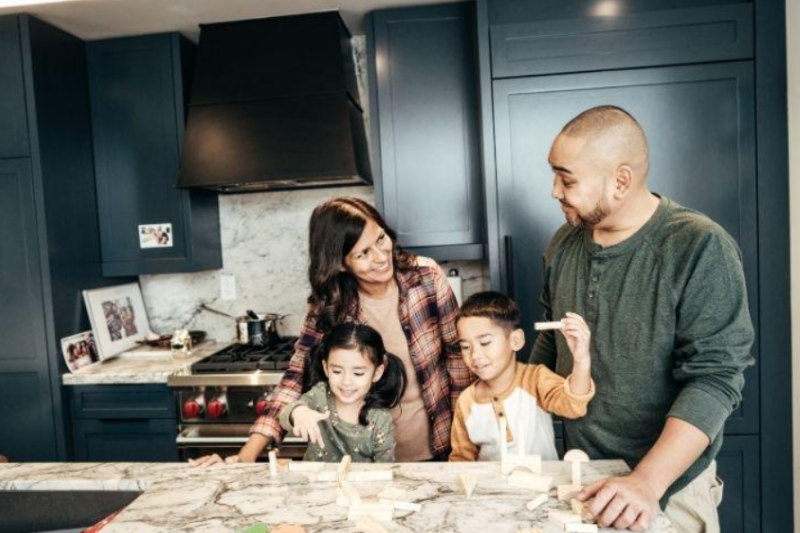
Modern family life is busier than ever. Between work schedules, school activities, meal preparation, household responsibilities, and social commitments, many families feel like they are constantly moving from one task to the next. While no home can eliminate every challenge of a packed schedule, thoughtful home design can make daily life significantly easier.
A well-designed home supports organization, efficiency, and comfort. It helps family members move through their routines with less stress and fewer obstacles. Rather than focusing solely on aesthetics, many homeowners are now prioritizing practical design choices that improve how their homes function every day.
From kitchens that simplify meal preparation to outdoor spaces that encourage quality family time, thoughtful home design can transform the way families live.
Why Functionality Matters More Than Ever
For decades, many homeowners focused primarily on appearance when renovating or building a home. While visual appeal remains important, today’s families increasingly recognize that functionality directly impacts quality of life.
A functional home helps reduce clutter, streamlines daily tasks, and creates spaces that serve multiple purposes. Parents can spend less time managing household frustrations and more time focusing on what matters most.
When every room is designed with purpose, family members can move through their day more efficiently. Whether it’s finding school supplies quickly, preparing meals without overcrowding, or creating a comfortable area for homework and relaxation, thoughtful design supports everyday living. As family needs evolve, homes that balance beauty with practicality tend to provide the greatest long-term value.
Creating Organized Kitchens For Daily Success
The kitchen is often considered the heart of the home, and for busy families, it may also be the busiest room in the house. Meals, conversations, homework sessions, and family gatherings frequently happen in the kitchen. As a result, its design plays a major role in daily organization.
Thoughtful kitchen layouts prioritize workflow. The placement of appliances, sinks, preparation areas, and storage should allow family members to move efficiently through the space. Well-planned storage solutions can keep countertops clear while ensuring essential items remain easily accessible.
Many homeowners are also choosing handcrafted design elements that combine functionality with visual appeal. Custom sinks, durable surfaces, and carefully designed fixtures can improve usability while enhancing the room’s overall atmosphere.
Quality materials often provide long-term benefits as well. Durable finishes and handcrafted features can withstand years of daily use, making them practical investments for active households.
Designing Spaces That Adapt To Family Needs
One of the biggest challenges families face is creating spaces that serve multiple purposes. A dining room may double as a homework station. A guest room may function as a home office. A kitchen island may become a gathering spot for everything from breakfast to project planning.
Flexible design has become increasingly important because family needs change over time. Spaces that can adapt to different activities help maximize every square foot of the home.
Built-in storage, multi-functional furniture, and open layouts allow rooms to transition easily throughout the day. Instead of dedicating rooms to a single purpose, many families are creating versatile environments that support a variety of activities. This adaptability often helps reduce clutter while making homes feel larger and more efficient.
The Connection Between Organization And Family Well-Being
Organization is about more than keeping things tidy. It can have a meaningful impact on stress levels and overall family well-being.
When household items have designated places, family members spend less time searching for what they need. Morning routines become smoother, chores feel more manageable, and shared spaces remain more enjoyable.
Thoughtful design encourages organization naturally. Mudrooms, entryway storage, built-in shelving, and well-planned cabinetry all contribute to a more orderly environment.
Families often discover that organized spaces create a greater sense of calm. Children can develop stronger habits of responsibility, while parents can devote less energy to managing daily clutter. Small design decisions frequently lead to significant improvements in everyday routines.
Investing In Quality Over Constant Replacement
Busy families often benefit from choosing durable home features that require less maintenance and fewer replacements. While lower-cost options may seem appealing initially, they can lead to recurring repairs, replacements, and frustrations over time. Thoughtful design emphasizes selecting materials and features that maintain their performance and appearance for years.
Posts on this site may contain sponsored content, paid link placements, or affiliate links. I may earn a commission or fee if you click a link or purchase through these recommendations at no additional cost to you.
Handcrafted home products continue to attract homeowners who value both durability and craftsmanship. Companies such as worldcoppersmith.com demonstrate how custom-designed home features can combine functionality, quality materials, and timeless design.
Whether incorporated into kitchens, dining spaces, or other areas of the home, thoughtfully crafted elements often provide long-term value beyond their visual appeal. When homeowners invest in quality products, they often experience lower maintenance needs and greater satisfaction over time.
Outdoor Spaces That Bring Families Together
Functional design extends beyond the walls of the home. Outdoor living spaces have become increasingly important for families seeking opportunities to relax, entertain, and spend time together. A thoughtfully designed backyard can serve as an extension of the home’s living space.
Outdoor dining areas, seating arrangements, fire features, and gathering spaces encourage families to spend more time outdoors. These areas can accommodate everything from weekend barbecues to casual evening conversations.
Well-designed outdoor spaces also provide flexibility. They can host family celebrations, neighborhood gatherings, or quiet moments of relaxation after a busy day. By creating environments that support meaningful interactions, homeowners can maximize the value of their outdoor spaces while strengthening family connections.
Balancing Beauty And Practicality
Some homeowners mistakenly believe they must choose between attractive design and practical functionality. In reality, the most successful spaces often achieve both.
Thoughtful home design considers how a space will look and how it will perform. Beautiful materials become even more valuable when they are durable and easy to maintain. Attractive layouts become more enjoyable when they improve daily efficiency.
Design choices should support the way a family actually lives rather than focusing solely on trends or appearances. A well-functioning home often feels more welcoming, comfortable, and enjoyable for everyone who uses it. This balance between beauty and practicality helps create spaces that remain relevant and useful for years.
Planning For Long-Term Family Living
One hallmark of thoughtful home design is planning for the future. Families grow and change over time. Children become teenagers, work situations evolve, and household needs shift. Design decisions that accommodate future changes can help homeowners avoid costly renovations later.
Flexible layouts, durable materials, and adaptable spaces allow homes to evolve alongside the families who live in them. Instead of chasing short-lived trends, many homeowners are choosing timeless design principles that continue to serve their needs for decades.
Long-term thinking often leads to better investments and greater overall satisfaction with the home.
Conclusion
Thoughtful home design goes far beyond decoration. It creates environments that support organization, simplify routines, and improve daily living for busy families. By focusing on functionality, adaptability, quality materials, and practical layouts, homeowners can build spaces that truly serve their needs.
Whether through better kitchen organization, flexible living areas, durable handcrafted features, or welcoming outdoor spaces, intentional design choices can make family life smoother and more enjoyable. In today’s fast-paced world, a thoughtfully designed home offers something every family values: a place that works as hard as they do.
