
Interest in red light therapy has surged as people look for ways to support their physical and mental well-being from the comfort of home. Known for its potential to support skin health, muscle recovery, and overall mood, red light therapy is steadily becoming a practical addition to personal care routines. The accessibility of at-home devices means there’s no longer a need to schedule clinic visits or book appointments; people can integrate the treatment into daily life in a way that feels natural and convenient. Understanding how to use red light therapy effectively and what tools suit your needs best can help you get the most from this technology.
Choosing the Right Red Light Mask
Posts on this site may contain sponsored content, paid link placements, or affiliate links. I may earn a commission or fee if you click a link or purchase through these recommendations at no additional cost to you.
Selecting the right mask can make a real difference in how comfortable and consistent your therapy becomes. There are plenty of options on the market, but the right one will match your goals and lifestyle. During the decision-making process, attention often turns toward trusted brands, and Kandyway red light masks tend to stand out for their comfort, design, and technology. These masks offer targeted wavelengths and a fit that allows for ease of use without distraction, which is a key part of forming a habit. Whether the goal is skin clarity, a more even tone, or simply a relaxing moment in the evening, finding a mask that encourages regular use increases the chances of sticking with the practice. It’s less about trend and more about comfort, functionality, and quality.
Setting a Schedule That Works
Consistency matters more than intensity when it comes to red light therapy. A short session done daily or several times a week typically offers better results than occasional long exposures. The key is finding a rhythm that fits smoothly into your routine. Some prefer to use their device in the morning to complement their skincare, while others find it relaxing as part of their evening wind-down. Linking red light therapy to an existing habit, like brushing your teeth, reading, or journaling, can help build regularity. It doesn’t need to feel like a chore or a disruption; the goal is to make the experience as natural as washing your face or applying moisturizer. Starting small with manageable goals can create a strong foundation for long-term practice.
Combining with Skincare Products
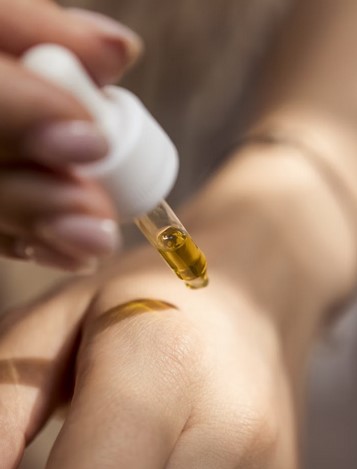
Using red light therapy alongside a thoughtful skincare routine can support results over time. Some people apply a hydrating serum or a light facial oil before their session to make the skin more receptive. Products containing peptides or antioxidants often complement red light exposure. It’s a good idea to avoid anything too heavy or irritating just before a session, especially active ingredients like retinoids or strong exfoliants, which might cause sensitivity when combined with light exposure. Clean, bare skin allows the light to penetrate more effectively. After the session, a calming moisturizer can help seal in benefits and support hydration. The goal isn’t to overload the skin but to support it gently through simple, clean steps.
Creating a Comfortable Space
Comfort plays a big role in how consistently someone uses red light therapy. Whether using a mask, panel, or handheld device, setting up a space that feels quiet and inviting can make a big difference. A bedroom, bathroom, or reading nook can become a dedicated place for your session. Soft lighting, a comfortable chair, and silence, or calming music, can make the experience feel more like a pause in the day rather than just another item on a to-do list. The atmosphere you create during the session influences how relaxed you feel. When the space feels welcoming and set up just for this moment, it becomes easier to return to it regularly.
Tracking Your Progress
Seeing progress can keep motivation strong, especially in the early weeks when changes might be subtle. Taking photos before beginning regular red light therapy and again every few weeks is a simple way to monitor visual changes, particularly for skin-related goals. For people using red light therapy to support mood or sleep, keeping a short journal may help track shifts in how they feel day-to-day. These small tracking habits can make the difference between feeling unsure whether something’s working and seeing clear progress. It’s less about chasing instant results and more about noticing slow, steady improvements over time.
Adjusting Based on Feedback from Your Body
Not every day will feel the same, and red light therapy can be adjusted based on how you’re feeling or what your skin needs. Some days, a full session might feel right; other times, a shorter one might be enough. Mild redness or warmth after a session is typically normal, but if you notice discomfort or sensitivity, it may be worth shortening the session time or skipping a day. Letting your body lead is a good way to stay in tune with what’s helping and what might need tweaking. With regular use, you’ll likely get a clearer sense of your rhythm and how red light therapy fits into your wellness plan without forcing it.
Incorporating red light therapy into your wellness routine doesn’t require drastic changes or a complete overhaul of your schedule. By setting yourself up with the right equipment, like thoughtfully chosen red light masks, and weaving the habit into your routine in a sustainable way, the benefits can build steadily over time.
