
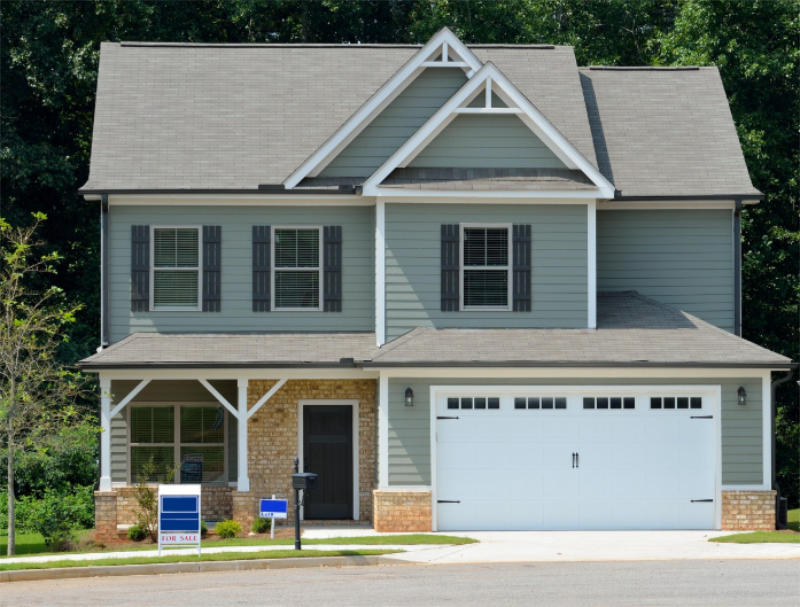
Selling a home in Columbus, Ohio can be rewarding, but it is not always simple. The city remains one of the Midwest’s most watched housing markets, supported by steady population demand, major employers, universities, healthcare systems, logistics, technology growth, and relative affordability compared with many larger U.S. metros. At the same time, sellers are no longer operating in the ultra-frantic market conditions that defined the pandemic-era boom.
Today, selling a house in Columbus requires preparation, realistic pricing, strong presentation, and a clear understanding of how buyers are behaving. Homes can still sell quickly, but not every listing will attract instant offers. Buyers have become more selective, interest rates continue to affect affordability, and inventory levels vary widely by neighborhood.
For homeowners, the best approach is to treat the sale as a business decision as much as a personal transition.
The State of the Columbus Housing Market
The Columbus housing market remains active, but it is more balanced than it was a few years ago. According to Redfin, Columbus home prices were up 3.9% year over year in March 2026, with a median sale price of about $290,000. Homes sold after an average of 47 days on the market, compared with 43 days the previous year. Sales volume was broadly steady, with 791 homes sold in March 2026 compared with 782 a year earlier.
Posts on this site may contain sponsored content, paid link placements, or affiliate links. I may earn a commission or fee if you click a link or purchase through these recommendations at no additional cost to you.
Central Ohio data shows a similar pattern: prices have continued rising, but homes are taking longer to sell. Columbus REALTORS reported that in January 2026, the median sale price across the region was $319,900, up 6.7% year over year, while median days on market increased to 48 days. The organization also noted that sellers should not assume the first weekend will automatically create a bidding war. (Columbus Realtors)
That is the key message for sellers: Columbus is still a strong market, but success depends on strategy.
Why Selling a Home in Columbus Can Be Challenging
Selling a home is emotionally and financially complex in any city, but Columbus has its own challenges.
First, buyers are very price-sensitive. Higher mortgage rates have changed what many buyers can afford, even if they still like the home. A property that would have attracted several aggressive offers in a lower-rate environment may now receive more careful scrutiny.
Second, neighborhood differences are significant. A home in Clintonville, German Village, Grandview Heights, Dublin, Worthington, Upper Arlington, or New Albany may attract a different buyer pool than a home in Hilltop, Linden, Franklinton, or South Columbus. Even within the city, school districts, commute patterns, walkability, renovation quality, and nearby development can heavily influence demand.
Third, condition matters. Buyers may be willing to pay strong prices for homes that feel move-in ready, but they are often less forgiving when a property needs visible repairs, outdated systems, or major improvements.
Understanding Local Buyer Expectations
Columbus buyers are not all looking for the same thing. Some want classic older homes with character. Others want newer construction, open layouts, energy efficiency, and low-maintenance finishes. Some want to be close to Ohio State University, downtown, Short North, or the Arena District. Others want suburban space, school access, garages, yards, and quieter streets.
A seller should think carefully about the likely buyer for the home.
For example:
A renovated bungalow in Clintonville may appeal to buyers who value walkability, character, and established neighborhoods.
A downtown condo may appeal to professionals who want convenience and low maintenance.
A suburban single-family home may attract families prioritizing schools, space, and commute routes.
A fixer-upper may draw investors, contractors, or buyers willing to trade convenience for price.
The better you understand the likely buyer, the better you can prepare, price, and market the home.
Pricing Is the Most Important Decision
The asking price sets the tone for the entire sale. If the home is priced too high, it may sit on the market, require price reductions, and lose momentum. If it is priced too low, the seller may leave money on the table.
In a market where homes are taking longer to sell than before, pricing correctly from the start is especially important. Buyers have more data than ever. They compare your listing to recent sales, active listings, price reductions, and neighborhood trends.
A good pricing strategy should consider:
- Recent comparable sales
- Active competing listings
- Property condition
- Lot size and layout
- School district
- Renovations and upgrades
- Days on market trends
- Buyer demand in the neighborhood
- Interest rate conditions
- Seasonal timing
Pricing should not be based only on what the seller wants or needs. It should be based on what the market is likely to support.
Preparing the Home Before Listing
Preparation can make a major difference in how quickly a home sells and what kind of offers it receives.
Important steps include:
- Deep cleaning the entire home
- Decluttering rooms, closets, basements, and garages
- Removing overly personal items
- Completing minor repairs
- Improving curb appeal
- Touching up paint
- Replacing broken fixtures
- Cleaning windows
- Servicing HVAC systems if needed
- Making the entryway feel welcoming
Many buyers form an opinion within minutes. If the home feels clean, cared for, and easy to imagine living in, the showing starts well. If buyers notice clutter, odors, peeling paint, or unfinished repairs, they may start mentally discounting the price.
Curb Appeal Matters in Columbus
Curb appeal is especially important in Columbus because the city has so many neighborhood styles. From brick homes and historic streets to suburban subdivisions and newer developments, exterior presentation helps shape buyer expectations before they step inside.
Simple improvements can help:
- Mow and edge the lawn
- Add fresh mulch
- Trim shrubs
- Power wash walkways
- Paint or clean the front door
- Replace worn house numbers
- Add planters or seasonal flowers
- Clean gutters
- Repair cracked steps or railings
Curb appeal does not need to be expensive. It needs to signal that the home has been maintained.
Repairs: What to Fix and What to Leave
Sellers often wonder how much work they should do before listing. The answer depends on the property, budget, and target buyer.
Generally, it is worth addressing issues that are obvious, inexpensive, or likely to raise buyer concern. These may include leaky faucets, loose railings, broken outlets, damaged trim, cracked windows, or stained carpets.
Larger repairs are more complicated. Replacing a roof, updating an HVAC system, renovating a kitchen, or finishing a basement may improve value, but it may not always produce a full return before sale.
Sellers should be cautious about major upgrades done only for resale. Buyers have different tastes, and a rushed renovation can sometimes look worse than an honest older finish.
Marketing the Property Properly
Most buyers begin their search online, so listing presentation matters. Professional photos, clear descriptions, accurate details, and strong digital exposure can influence whether buyers schedule a showing.
A good listing should highlight:
- Neighborhood
- Layout
- Major updates
- Outdoor space
- Storage
- Parking
- Schools or local amenities where relevant
- Commute access
- Energy-efficient features
- Recent repairs
- Unique character
The listing description should be specific without exaggerating. Buyers are more likely to trust language that is clear and grounded than language that sounds generic or inflated.
The Role of Timing
Spring and early summer are often active selling seasons in Columbus, as families try to move before the school year and warmer weather makes showings easier. However, good homes sell year-round if priced and presented well.
Timing should be based on your situation as well as the market. If you need to relocate, settle an estate, downsize, or coordinate with another purchase, the “perfect” listing season may not matter as much as a realistic plan.
What matters most is being ready when you go live. A poorly prepared home listed in a busy season can still struggle. A well-prepared home listed in a quieter season can still attract serious buyers.
Fast Home Sales in Columbus
Some homeowners need a faster sale because of relocation, divorce, inheritance, financial pressure, job changes, landlord fatigue, or the need to avoid major repairs. In these situations, fast home sales can be part of the Columbus market alongside traditional listings. A seller may choose to price aggressively, work with an agent on a rapid listing strategy, consider investor interest, or evaluate cash offers depending on their timeline and priorities. This route is not inherently better or worse than a standard sale; it simply serves a different need. The trade-off is usually between speed, certainty, convenience, and final sale price. A homeowner who wants maximum market value may choose a fully marketed listing, while someone prioritizing timing and simplicity may consider faster alternatives. To find a fast homeseller consider searching for we buy houses in Columbus Ohio or whatever area specific in Columbus you’re looking to sell out of.
Negotiation: Be Ready for Buyer Requests
Even after receiving an offer, the sale is not complete. Buyers may negotiate on price, closing date, repairs, inspection items, appraisal gaps, contingencies, closing costs, or included appliances.
In a more balanced market, sellers should expect negotiation. That does not mean giving in to every request, but it does mean staying practical.
Common negotiation points include:
- Inspection repairs
- Seller credits
- Closing date flexibility
- Appraisal issues
- Home warranty requests
- Possession timing
- Inclusion of appliances or fixtures
The best sellers know their priorities before negotiations begin. Is price most important? Speed? Certainty? Avoiding repairs? A flexible closing date? Knowing this helps you respond strategically.
Inspection Issues Can Slow or Derail a Sale
The inspection is often where a deal becomes more complicated. Even buyers who love a home may become cautious if the inspection reveals roof issues, foundation concerns, electrical problems, plumbing defects, moisture intrusion, or HVAC problems.
Sellers can reduce this risk by fixing known issues before listing or considering a pre-listing inspection.
A pre-listing inspection may help identify problems early, but it also requires sellers to decide how to handle disclosure and repairs. In many cases, being proactive gives the seller more control than waiting for the buyer’s inspection.
Appraisals and Financing
If the buyer is using a mortgage, the lender will usually require an appraisal. If the appraisal comes in below the agreed price, the deal may need renegotiation unless the buyer can cover the gap.
This is another reason accurate pricing matters. A high contract price is only helpful if the deal can actually close.
Cash buyers avoid lender appraisal requirements, but many traditional buyers still rely on financing. Sellers should evaluate offers not only by price, but also by the strength of financing, contingencies, earnest money, and likelihood of closing.
Selling an Older Home in Columbus
Columbus has many older homes, and they can be highly desirable when properly maintained. Character, location, hardwood floors, built-ins, porches, and established neighborhoods can be major selling points.
However, older homes can also raise concerns about:
- Electrical systems
- Plumbing
- Roof age
- Basement moisture
- Insulation
- Windows
- Foundation condition
- Heating and cooling systems
Sellers should be prepared to answer questions and provide documentation for updates. Receipts, permits, warranties, and maintenance records can help reassure buyers.
Selling a Rental or Investment Property
Columbus has a strong rental market in many areas, especially near universities, downtown employment centers, hospitals, and growing neighborhoods. Selling a rental property requires additional planning.
Important questions include:
- Is the property occupied?
- When does the lease end?
- Can showings be coordinated easily?
- Is the buyer likely to be an investor or owner-occupant?
- Are rent rolls and maintenance records available?
- Are tenants current on rent?
- Are local rental rules being followed?
A rental property may be marketed differently from an owner-occupied home. Investors will care about cash flow, condition, rent potential, and expenses.
Working With Professionals
A seller can choose different paths: listing with a real estate agent, selling by owner, working with an investor, or exploring cash-sale options. Each has trade-offs.
A real estate agent can help with pricing, marketing, negotiation, showings, paperwork, and transaction management.
A for-sale-by-owner approach may save commission but requires the seller to handle pricing, marketing, legal documents, negotiations, and buyer screening.
A direct cash sale may offer speed and convenience but may not produce the same price as a fully marketed listing.
The right choice depends on the seller’s timeline, confidence, property condition, and financial goals.
Common Mistakes Sellers Make
Selling a home in Columbus becomes harder when sellers make avoidable mistakes.
Common mistakes include:
- Overpricing the home
- Ignoring needed repairs
- Using poor listing photos
- Failing to declutter
- Making showings difficult
- Rejecting reasonable feedback
- Assuming all neighborhoods behave the same
- Letting emotions drive negotiation
- Failing to disclose known issues
- Choosing the wrong sale strategy for the timeline
Most of these mistakes come from treating the sale casually. A home sale is often one of the largest financial transactions a person will make. It deserves careful planning.
What Buyers Want Right Now
Current Columbus buyers tend to value homes that feel well maintained, fairly priced, and easy to move into. Many are balancing affordability concerns, mortgage payments, taxes, insurance, and renovation costs.
Features that can help a home stand out include:
- Updated kitchens and bathrooms
- Functional layouts
- Good natural light
- Off-street parking or garages
- Clean basements
- Outdoor living space
- Energy-efficient systems
- Home office potential
- Neutral finishes
- Strong maintenance records
Not every home needs to be perfect. But it should be honest, clean, and presented well.
Final Thoughts
Selling a home in Columbus, Ohio can be a strong opportunity, but it is not automatic. The market remains active, prices have continued to show resilience, and demand is supported by the city’s broader growth. But buyers are more thoughtful than they were during the most competitive market years.
For sellers, the winning formula is preparation, accurate pricing, strong presentation, and a realistic understanding of local conditions. A home that is priced properly and marketed well can still attract serious attention. A home that is overpriced or poorly prepared may sit longer than expected.
Whether your goal is to maximize price, sell quickly, simplify a difficult transition, or coordinate a move, the key is to choose the right strategy from the start.
In Columbus, selling successfully is not just about putting a sign in the yard. It is about understanding the market, respecting buyer expectations, and presenting the home in a way that makes the next owner feel confident saying yes.
