
Understanding why heating costs can become exorbitant is crucial for homeowners seeking to manage their energy expenses effectively. Factors such as outdated systems, poor insulation, and the efficiency of your home can significantly impact your monthly bills. Learning how to identify these issues early can lead to substantial savings and a more comfortable living environment. With the winter months quickly approaching, it is timely to review your heating system and its efficiency. Let’s delve into various methods to unearth the hidden causes behind high heating costs.
The Importance of Home Insulation
One of the primary culprits behind rising heating costs is inadequate insulation. Insulation plays a vital role in keeping your home warm during colder months by preventing heat loss. If your insulation has deteriorated or is poorly installed, it could allow heated air to escape, causing your heating system to work harder. To evaluate your insulation, check key areas such as the attic, walls, and floors. Attics are particularly notorious for heat loss. In fact, up to 25% of heat can escape through an uninsulated attic, according to the U.S. Department of Energy. Consider conducting a thermal imaging inspection, which can reveal hot spots and drafts that indicate poor insulation. By sealing air leaks and adding insulation where necessary, you can potentially reduce heating costs by as much as 20%.
Assessing Your Heating System’s Efficiency
Posts on this site may contain sponsored content, paid link placements, or affiliate links. I may earn a commission or fee if you click a link or purchase through these recommendations at no additional cost to you.
If your home is well-insulated yet heating costs remain high, the next step is to examine your heating system’s efficiency. Older furnaces and boilers often operate at significantly lower efficiencies compared to their modern counterparts. If your furnace is more than 15 years old, it may operate at just 60% efficiency, meaning 40% of your energy is wasted. In comparing nationwide figures, the U.S. Department of Energy suggests replacing an old heating system with a newer, energy-efficient model can save homeowners about 20% on heating costs. Regular maintenance, such as annual tune-ups, can boost efficiency. A professional HVAC technician can clean the system, replace filters, and ensure everything is operating optimally, leading to lower energy bills.
Identifying Thermostat Issues
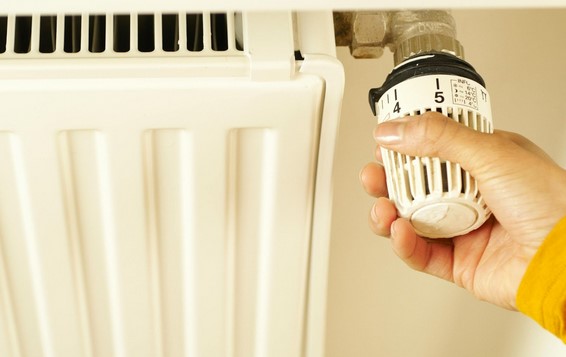
The thermostat, often overlooked, can contribute significantly to high heating costs as well. If your thermostat is outdated, inaccurate, or improperly positioned, it might not reflect the actual temperature of your home. A poorly calibrated thermostat can create uncomfortable living conditions and lead your heating system to operate longer than necessary. To investigate this, start by checking the calibration of your thermostat. Smart thermostats can provide precise readings and allow you to set schedules that can enhance energy savings. These advanced models can adjust the temperature based on your habits, significantly reducing heating costs when you are away. You might not realize just how much control you have over your heating expenses until you install one of these thermostats.
Evaluating Ductwork Integrity
Another hidden culprit behind high heating costs could be faulty or poorly insulated ductwork. Leaky ducts can lose a significant amount of heated air before it even reaches your living spaces. Research from the U.S. Department of Energy reveals that duct leaks can account for 20% to 30% of the heating energy used, leading to inflated utility bills. To assess your duct system, look for visible signs of wear or damage, including separations where ducts connect, or visible air loss in places where ducts are exposed. Conducting a duct-blast test with the help of professionals can reveal any inefficiencies. Sealing leaks and insulating ductwork can provide substantial savings, greatly reducing the volume of energy consumed.
Examining Air Leakage Around Windows and Doors
Air leakage can cause major problems by allowing cold air to infiltrate your home, prompting your heating system to work additional hours just to maintain the desired temperature. It’s crucial to investigate windows, doors, and other potential air entry points such as electrical outlets and ventilation systems. Caulking and weatherstripping are effective methods to seal cracks around windows and doors. The U.S. Department of Energy states that proper weather-stripping can save around 10% of energy costs. Checking your window frames for gaps and cracks and addressing them promptly can ensure efficient heating. Consider installing storm windows or using thermal curtains to enhance your home’s insulation further.
Understanding Local Climate Effects
Local climate details can greatly influence heating costs. If you live in an area known for brutal winters, the demands on your heating system are inevitably higher. Fluctuations in energy prices should be a focal point of your assessments. If you notice a spike in rising heating costs in Ohio or your area, it may not solely be due to your home’s inefficiencies; nationwide market trends could impact your energy expenses as well. Staying informed about weather patterns, local energy trends, and potential shortages can help you prepare and make necessary adjustments to your home heating strategy. By understanding these broader conditions, you can take proactive measures to mitigate their effects on your energy bills.
Monitoring Energy Use
Finally, one of the best ways to keep heating costs in check is to monitor your energy usage. Taking the time to review your energy bills each month allows you to identify patterns and irregularities in your heating expenses. If you notice sudden spikes, it may be time to investigate further. Consider using an energy monitoring system that can track and report your heating usage in real-time. This technology can help identify when your heating system operates the most, such as during peak electricity rates, and provides guidance on how to optimize your energy consumption. Analyzing these trends forms the foundation of a strategic approach to reducing heating costs effectively.
Leveraging Professional Energy Audits
For homeowners who want a comprehensive understanding of their heating inefficiencies, a professional energy audit can be an invaluable tool. Conducted by trained specialists, these audits assess every aspect of your home’s energy performance, from insulation and ductwork to air leakage and appliance efficiency. Using specialized equipment like blower doors and infrared cameras, auditors can pinpoint exact problem areas that may not be visible to the naked eye. The final report typically includes tailored recommendations, prioritized by cost-effectiveness, to help you decide which improvements will deliver the greatest savings. Investing in an energy audit can pay for itself by guiding you toward targeted upgrades that significantly reduce heating costs while improving comfort.
By addressing insulation quality, system efficiency, thermostat accuracy, duct integrity, air leakage, local climate impacts, and energy monitoring, homeowners can significantly reduce their heating bills. Taking these steps will benefit your wallet and enhance your living comfort.
