
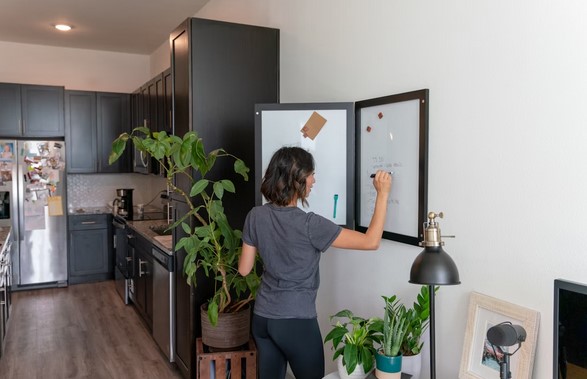
Keeping a home organized can feel overwhelming for families with children. With toys scattered about, clothes piling up, and school paperwork accruing, it becomes important to have efficient systems in place.
Balancing the hustle of daily life and keeping a home tidy doesn’t have to be overwhelming. Families can uphold order and foster a more tranquil environment by employing effective organization strategies. Here are some motivational tips on how to implement smart organization in your busy household.
Creating Zones for Different Activities
Designating specific areas for various activities can simplify a family’s daily routine. Establish zones for play, study, and relaxation. In the playroom, utilize shelves for easy access to toys. This encourages children to return toys to their designated spots after use. Incorporate a small desk or table in the study area to create a conducive environment for homework.
Reducing the clutter in each zone lifts the stress that often accompanies a disorganized living space. Establishing distinct spaces for specific tasks helps everyone understand their responsibilities and keeps chaos at bay. Children will learn about boundaries and organization, making it easier for them to contribute actively to maintaining order. To elevate the organization within these zones, think about using labeled storage bins and colorful baskets to make items instantly identifiable.
Maximizing Closet Space
Posts on this site may contain sponsored content, paid link placements, or affiliate links. I may earn a commission or fee if you click a link or purchase through these recommendations at no additional cost to you.
Closets often become catch-all spaces, but organizing them properly transforms their functionality dramatically. Use shelves or organizers to maximize vertical space and clear floor areas. Implementing a system that differs between seasons makes it simpler to store out-of-season clothes until they are needed again. When overwhelming materials clutter the space, you might want to take time to reorganize the kids closet so they have easy access to the clothes they love. Investing in hanging organizers helps with shoes and accessories, keeping them neatly arranged. Setting aside a few minutes each month to evaluate what’s being stored allows for donations or toss-offs of items that no longer serve the family.
Labeling shelves and bins helps everyone find items quickly. Using uniform hangers creates a cleaner look and maximizes space. Rotating clothes regularly keeps the closet fresh and functional. Small hooks can hold scarves or belts without taking up much room. Organizing by color or type adds visual order and makes outfit choices easier.
Streamlining the Kitchen for Family Life
The kitchen is often the heart of family life. Transforming this space through smart organization leads to efficiency during hectic meal preparations. Use drawer dividers and shelf risers to keep utensils, pots, and pans easy to find.
Clearly labeled containers for grains, snacks, and spices make cooking fast and stress-free. When meal prepping, think about batch cooking, allowing for quick, easy meals during busy weeks. This saves time and removes the mental load of what to cook. Furthermore, make the fridge and freezer accessible for kids, empowering them to reach for healthy snacks without asking for help.
Creating a designated spot for school lunch items simplifies mornings. Using lazy Susans in cabinets can improve access to spices and condiments. Keeping frequently used appliances within reach saves effort and time. Installing hooks for towels and oven mitts frees up drawer space. Maintaining a clean and clutter-free counter encourages more cooking and family interaction.
Establishing Clear Routines
Routine goes hand in hand with organization. Setting specific times for daily chores establishes boundaries and teaches children accountable habits. Having children participate fosters teamwork and pride in their family environment. Simple tasks like tidying up before bedtime or doing homework after school create a structured environment that can alleviate chaos.
Create a family calendar that outlines important dates, activities, and chores to keep everyone on the same page. Utilizing a color coding system can help children recognize who is responsible for which tasks, promoting independence and engagement.
Consistent routines reduce stress and improve time management. Positive reinforcement encourages children to stick to their responsibilities. Family meetings provide a space to discuss adjustments or challenges. Visual reminders, such as charts or checklists, support accountability. Celebrating accomplishments builds motivation and family connection.
Embracing Minimalism in Family Life
Minimalism can drastically reduce the clutter invading your home. Encouraging children to identify what they truly need allows for fewer distractions and more intention in their belongings. Challenge them to keep only items that spark joy or are used regularly. This process can be enlightening and enjoyable when done as a family.
Regularly assessing toys, books, and clothing can create a cleaner atmosphere and make way for new memories instead of constantly filling space with unused items. Holding seasonal charity drives or garage sales can be beneficial in allowing families to channel their generosity while clearing out the old, simplifying their lives.
Creating designated spaces for belongings helps maintain order. Teaching children about mindful consumption supports lasting habits. Letting go of excess can encourage creativity and focus. Family discussions around possessions foster shared values. Simplified environments often lead to greater peace and well-being.

Leveraging Technology for Home Organization
Technology offers numerous tools for organizing daily life effectively. Several phone applications help manage grocery lists, maintain calendars, and even track family tasks. Utilizing tools like these minimizes the mental burden of keeping track of schedules and responsibilities. Many apps are designed to reward kids for completing chores, making organization more of a game instead of a burden. Smart home devices can provide enhanced convenience.
Voice-activated assistants can help with quick reminders, timers for tasks, and even instructions for meals. Integrating technology into your organizational strategy establishes a support system that boosts efficiency. Organizing a busy household involves clear communication and consistent practice. Whether it’s through designated zones, maximizing closet space, or teaching children valuable skills, families can foster a peaceful home environment, and with it, a more joyful and relaxed lifestyle.
Using shared calendars keeps everyone informed of upcoming events. Digital checklists simplify tracking progress on tasks. Setting alerts can prevent forgotten appointments or chores. Online shopping lists streamline grocery runs. Regularly updating these tools ensures they remain helpful and relevant.
Implementing these smart home organization tips can have a significant impact on your family life, leading to reduced stress and increased collaboration. Prioritizing organization isn’t merely about aesthetics; it’s about creating a supportive environment. With thoughtful strategies and consistent efforts, busy families can strike the perfect balance between organization and fun, establishing a home that runs smoothly.
