
Hair plays a significant role in shaping personal identity and self-esteem. Cultural beliefs, societal norms, and personal experiences all contribute to how individuals perceive their hair and, consequently, their confidence levels.
A person’s hairstyle often serves as an expression of their personality and can impact how they are perceived by others. As such, understanding the psychological implications of hair can shed light on broader themes of self-image and mental health.
The Relationship Between Hair and Self-Image
The connection between hair and self-image is profound. Personal feelings about one’s hair can affect self-worth. Individuals who feel good about their hairstyle often display higher confidence, while those who struggle with hair issues might experience a negative self-image. Every day, people face societal pressures to maintain a certain hair status quo, which can lead to tension when their hair does not conform to those expectations.
Research shows that individuals with strong positive feelings about their hair tend to exude confidence in social settings. Dull or thinning hair might lead some to hide away from social interactions, indicating a direct relationship between hair health and mental well-being.
Posts on this site may contain sponsored content, paid link placements, or affiliate links. I may earn a commission or fee if you click a link or purchase through these recommendations at no additional cost to you.
We can better manage hair and mental health issues if we are aware of these connections. Some of the causes of hair falling out include stress, fatigue, and worry, which can create a vicious cycle. When individuals notice changes in their hair, they may feel increased anxiety, leading to even more hair thinning or loss. This cycle can leave people feeling trapped in a distressing situation, marking the need for awareness of the psychological effects linked to hair health.
Talking to a mental health professional can offer tools for managing anxiety that may contribute to hair loss. Incorporating stress-reduction techniques like mindfulness, exercise, and proper sleep can help improve both mental well-being and hair condition. Diet plays a crucial role; nutrients such as biotin, iron, and omega-3 fatty acids are important for healthy hair growth.
Impact of Hair Loss on Emotional Wellbeing
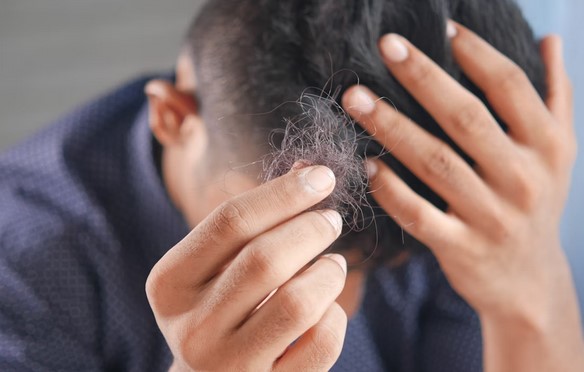
Hair loss can drastically alter one’s emotional state. For many, losing hair is akin to losing a part of their identity. Whether from hereditary loss, health conditions, or lifestyle choices, the emotional repercussions can be significant. Many people experience feelings of shame, embarrassment, and social withdrawal. When someone publicly faces hair loss, it can amplify feelings of insecurity.
As a reaction to hair loss, some individuals turn to various coping mechanisms. These can include excessive grooming, wearing hats, or even seeking professional help through therapy or hair restoration treatments. Addressing these feelings is crucial for maintaining emotional balance. Engaging in supportive communities, whether online or offline, can foster connections and help individuals find comfort in knowing they are not alone in their struggles.
Aging and Its Effects on Perception of Hair
Aging brings numerous changes, including the natural graying of hair. Many individuals grapple with accepting these signs of aging, often equating them with a loss of youth and vitality. While some embrace this change, others may feel anxiety about their appearance, which can impact their confidence. The societal emphasis on youthful looks intensifies these feelings.
People often turn to hair dyes or cosmetic procedures to restore a sense of youth. Media portrayals of beauty frequently shape how aging individuals perceive their worth. Family and peers can influence whether someone feels empowered or discouraged by visible signs of aging. Some individuals reclaim their confidence by choosing hairstyles that complement their gray or silver hair. Others adopt a minimalist approach, embracing simplicity as a statement of self-acceptance.
Understanding that aging is a universal experience can help reduce negative feelings associated with graying hair. Many seek various products or techniques to mask these changes, yet embracing the natural progression can lead to a healthier self-perception. Celebrating individuality in all its forms, inclusive of the aging process, can offer a sense of relief and acceptance.
Hair Trends and Social Influences
Current trends and social influences can significantly affect people’s perceptions of their hair. Celebrity endorsements and social media can create an ideal or aspirational image that users feel pressured to achieve. Following these trends may lead to experiments with hairstyles or colors, but it can contribute to unhealthy comparisons. Social media, while offering inspiration, can equally harbor feelings of inadequacy and disconnect.
Influencers often set beauty standards that many viewers try to replicate. Hairstylists adapt their services to reflect trending looks seen on digital platforms. Brands promote products through viral videos, shaping how people perceive hair care and aesthetics. Teenagers and young adults feel the pressure to conform to popular styles. Individuals who stray from these norms sometimes face criticism, which may affect their confidence.
The key is to recognize oneself beyond these trends. Acknowledging personal style, including hair preferences, encourages a positive self-image. When individuals choose hairstyles that align with their identities rather than fleeting trends, they can boost their confidence and satisfy self-expression needs.
Finding Balance Through Positive Self-Affirmation
Self-affirmation practices can assist in building confidence and combating negative perceptions associated with one’s hair. Engaging in positive self-talk and recognizing personal strengths can reinforce a healthy self-image. Accepting hair, regardless of its style or state, contributes to a more fulfilling emotional life.
Encouraging affirmations may involve celebrating unique traits, including hair characteristics. Individuals are more likely to wear their hair with pride when they commit to confidence-boosting practices. Connecting with positive role models who share similar hair journeys may foster a sense of community and support.
Seeking Professional Guidance
Many individuals find comfort in seeking professional help to manage the psychological impacts of their hair concerns. Dermatologists, therapists, and hairstylists can provide valuable guidance, whether through hair treatment options or counseling. Equipped with expertise, these professionals can assist individuals in navigating their emotional landscapes regarding hair.
Support from peers, family, and professionals can play an important role in helping individuals regain confidence. Whether through therapy sessions or community groups, accessing these resources can provide individuals with the tools to cope with hair loss or insecurity more effectively.
Examining the psychological impact of hair on confidence levels reveals a deep interconnectedness between one’s self-perception and societal influences. Hair can influence emotional well-being, shaping how individuals navigate life. By fostering an environment that encourages acceptance and understanding, society can strive to help those grappling with hair-related issues find peace within themselves.
