
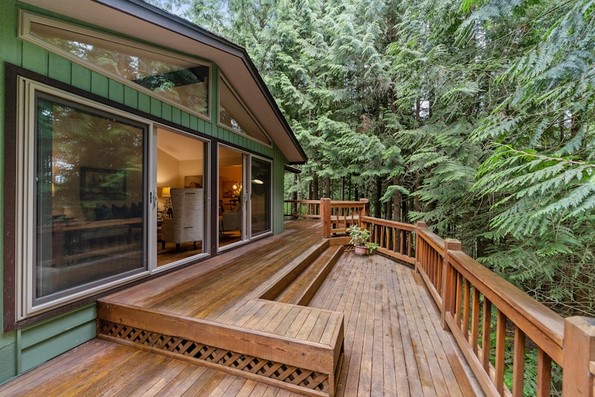
Building a new deck is one of the most rewarding home improvement projects, providing functional outdoor living space and added property value. Whether you’re envisioning a cozy backyard retreat, an entertainment hub, or a peaceful place to relax, choosing the right materials is the foundation of a successful project. With options ranging from traditional wood to modern composites and even innovative alternatives, it’s important to weigh durability, cost, aesthetics, and maintenance requirements before committing. The materials you choose will directly influence the deck’s appearance and its longevity and upkeep. Let’s explore the best options available today and what factors to consider when selecting the right materials for your new deck.
Pressure-Treated Lumber
Posts on this site may contain sponsored content, paid link placements, or affiliate links. I may earn a commission or fee if you click a link or purchase through these recommendations at no additional cost to you.
Pressure-treated lumber remains one of the most widely used materials for deck construction due to its affordability and resilience. This wood is chemically treated to resist rot, insects, and moisture, making it a practical choice for outdoor environments. Many homeowners rely on deck building services to ensure that pressure-treated boards are installed correctly, as proper handling and sealing can significantly extend the deck’s lifespan. While it may not offer the rich appearance of cedar or tropical hardwoods, its durability and cost-effectiveness make it a sensible option for functional outdoor spaces. Regular maintenance, such as staining and sealing, helps preserve its strength and appearance.
Tropical Hardwoods
Tropical hardwoods such as ipe, mahogany, and tigerwood are prized for their incredible density, strength, and resistance to rot and insects. These woods are exceptionally long-lasting and can maintain their beauty for decades when properly cared for. Their rich, dark tones give a luxurious look to any deck, making them a high-end option for homeowners willing to invest. Tropical hardwoods are among the most expensive materials and can be difficult to cut and install due to their hardness. Sourcing these woods responsibly requires attention to sustainability certifications to ensure eco-friendly practices.
Cedar and Redwood
For homeowners seeking a balance of natural beauty and durability, cedar and redwood are top contenders. These woods contain natural oils and tannins that resist rot and insect damage, eliminating the need for chemical treatments. Their rich colors and attractive grain patterns add warmth and elegance to outdoor spaces, making them popular for decks designed with aesthetics in mind. Cedar and redwood are softer than some alternatives, which means they can dent or scratch more easily. They require sealing or staining every few years to maintain their vibrant appearance, but many homeowners find the maintenance worthwhile for the visual payoff.
Composite Decking
Composite decking has become a leading choice for many homeowners due to its durability and minimal upkeep requirements. Made from a blend of recycled wood fibers and plastics, composite boards are resistant to rot, insects, and fading. They do not splinter or warp like traditional wood, and they come in a wide range of colors and finishes that mimic the look of natural timber. While the initial cost of composite decking is higher than pressure-treated lumber, the savings on maintenance often make it a cost-effective choice in the long run. For busy homeowners who want a beautiful deck without constant upkeep, composites offer a practical and appealing solution.
PVC and Plastic Decking
PVC (polyvinyl chloride) and plastic decking represent another category of low-maintenance materials designed to withstand harsh conditions. Unlike composites, which contain some wood fibers, PVC is 100% plastic, making it highly resistant to moisture, mold, and insect damage. These boards are lightweight and available in various styles and colors, providing design flexibility. They can sometimes feel less natural underfoot and may become hot in direct sunlight. While more expensive than wood, PVC decking offers peace of mind for homeowners in wet or humid climates where traditional wood might struggle to last.
Aluminum Decking
Though less common than wood or composites, aluminum decking is gaining popularity for its modern look and unmatched durability. Aluminum is non-combustible, resistant to rust, and impervious to insect damage, making it one of the most resilient options on the market. It stays cooler under the sun compared to some plastics, and many aluminum systems include built-in water drainage for dry space underneath the deck. The main drawback is cost, as aluminum decking is one of the pricier choices, and its appearance may not suit homeowners seeking a traditional wood aesthetic. Still, for longevity and performance, aluminum is nearly unbeatable.
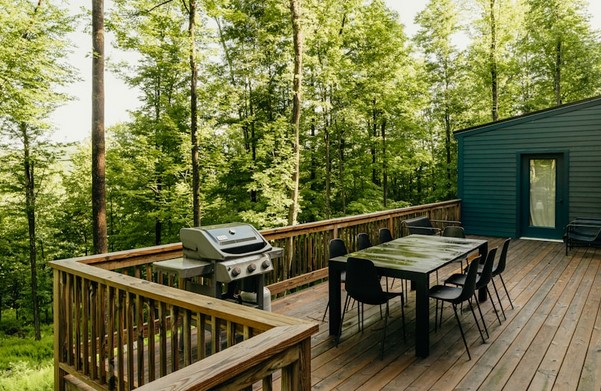
The materials you choose for your deck will shape its beauty, function, and longevity for years to come. From the affordability of pressure-treated lumber to the luxury of tropical hardwoods, and from the practicality of composites to the cutting-edge performance of aluminum, each option has its strengths and trade-offs. By carefully evaluating your priorities, climate, and budget, you can make a confident decision that ensures your deck becomes a lasting and enjoyable part of your home. With the right materials, your new deck project will enhance your outdoor living space and provide comfort, style, and value for the long term.
