
When a loved one undergoes rehabilitation after an injury, the journey can be challenging, both physically and emotionally. Family and friends play an important role in this process, offering support that can significantly enhance recovery.
Understanding how to approach such situations can make a meaningful difference. In the following sections, we will explore practical steps that support networks can take to help a person on their road to recovery.
Understanding the Recovery Process
Recovering from an injury involves various stages, and each stage presents its own challenges. Initially, an individual may experience pain and physical limitations, making daily tasks daunting. During this time, emotional and psychological support becomes paramount. Friends and family members should educate themselves about the type of injury and the specific rehabilitation demands it entails.
Knowing what to expect can help them provide appropriate assistance and encouragement. It is important to keep in mind that recovery is not linear. There may be setbacks and frustrations along the way. Emotional ups and downs can occur, and friends and family should be prepared to be patient and understanding. Listening without judgment can be an invaluable tool in helping a loved one cope with their situation.
Offering Practical Assistance
One of the most effective ways to support someone recovering from an injury is by taking on practical tasks. Depending on the nature of the injury, this may involve helping with household chores, preparing meals, or performing errands that the injured person may find difficult. Small gestures can have a significant impact; just being there to assist can help alleviate stress during a tough time. It is essential to communicate openly with your loved one about their needs.
Posts on this site may contain sponsored content, paid link placements, or affiliate links. I may earn a commission or fee if you click a link or purchase through these recommendations at no additional cost to you.
Some may wish to maintain their independence, while others might appreciate more hands-on support. Establishing how best to help facilitate recovery and strengthen the relationship. If you’ve got your injury due to poor security, legal help can guarantee that you receive the necessary support and compensation, depending on the circumstances surrounding the injury. Encouraging conversations about legal options can be an insightful way to ensure comprehensive support during recovery.
Providing Emotional Support
Emotional healing is often just as important as physical healing. Listening and validating feelings can go a long way. Family and friends should strive to create an environment where their loved one feels comfortable sharing their thoughts and emotions. This process can involve simple actions, such as spending quality time together or engaging in light-hearted activities. Laughter has a special way of providing relief and fostering connection, contributing positively to the emotional recovery process.
A few well-placed words of affirmation can boost an individual’s will to overcome the hardships of recovery. Celebrate small victories together, whether it’s regaining mobility or completing a daily task independently. Recognizing these achievements can enhance motivation and provide a sense of accomplishment.
Facilitating Social Connections
Isolation can be a common experience for people recovering from injuries, particularly if they have been sidelined from their usual activities. Friends and family should strive to maintain social connections by organizing gatherings or virtual check-ins. This can help prevent feelings of loneliness, which can negatively impact a person’s recovery trajectory.
Encourage participation in group activities or support groups related to their injury. Connecting with others in similar situations can foster a sense of community and understanding, making a significant difference in emotional well-being. If in-person connections are not feasible, social media, video calls, or messaging can provide much-needed interaction.
Encouraging Professional Help
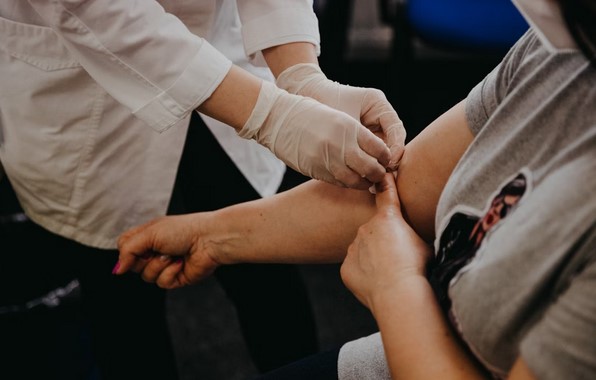
In many recovery scenarios, professional help is critical. Physical therapists, psychologists, and occupational therapists can provide expert care tailored to the individual’s needs. Family and friends should encourage the injured person to seek professional help as required, whether physical rehabilitation sessions or mental health support.
Sometimes, individuals may hesitate to reach out for help due to stigma or personal insecurities. Gently remind them that seeking professional assistance is a sign of strength rather than weakness. Your support in this area can impact their recovery positively.
Helping with Motivation and Goal Setting
Another way to support a loved one in recovery is by assisting them in setting manageable goals. Taking the process one step at a time can make the journey less overwhelming. Encourage breaking tasks into smaller objectives, which can eventually accumulate into significant milestones.
This approach allows for measurable success and reinforces determination. Think about being a motivational partner. Participate in activities that encourage mobility or physical engagement while respecting their current capabilities. Engaging together in light exercises or attending therapy sessions can build accountability and foster a spirit of teamwork.
The road to recovery can feel long and arduous. The emphasis moves from suffering and annoyance to progress and resolution when goals are defined and accomplishments are shared. Supporting someone during their recovery from an injury requires understanding, practicality, and empathy.
Friends and family must navigate the complexities of rehabilitation, which entails both physical and emotional assistance. Through practical help, open communication about feelings, and encouraging professional care, those closest to the person recovering play a pivotal role. A supportive community fosters an atmosphere of healing, making recovery more manageable and more hopeful.
