
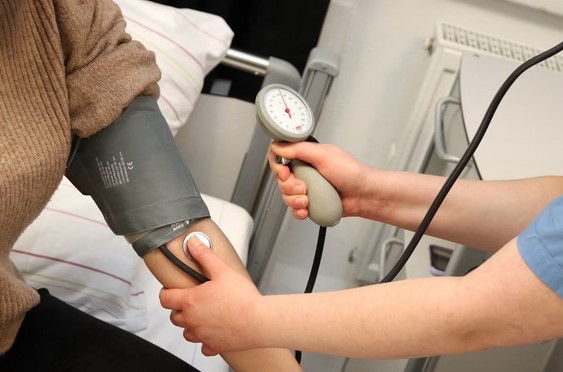
Caregiving stands as one of the most human-centered professions, built on compassion, patience, and a deep understanding of others’ needs. For those who take up this work, each day offers the chance to create meaningful connections and improve lives in ways that are both personal and profound. Far from being just a job, caregiving can be a calling that shapes both the caregiver and the recipient, creating a shared journey filled with moments of trust and empathy.
Impact on Others
Posts on this site may contain sponsored content, paid link placements, or affiliate links. I may earn a commission or fee if you click a link or purchase through these recommendations at no additional cost to you.
The role of a caregiver extends far beyond meeting physical needs. It can bring emotional stability, companionship, and a sense of dignity to those receiving care. Many people drawn to this profession begin by exploring how to become a caregiver, often realizing that their presence can be as healing as any treatment plan. Small gestures like listening without judgment, offering comfort during difficult moments, or helping someone regain independence can change the course of a person’s day. This impact is not always measured in grand transformations but in quiet, consistent acts that remind someone they are seen and valued.
Emotional Rewards of the Profession
Caregiving often yields moments of connection that linger in memory for years. The work invites a level of trust and openness that is rarely found in many other professions. Whether supporting someone through recovery, illness, or aging, the caregiver is present for both the struggles and the victories, no matter how small they may seem to an outside observer. There is a quiet satisfaction in seeing a person regain the ability to walk to their garden, enjoy a favorite meal, or simply smile after a difficult day. These moments, though not always dramatic, carry immense weight for both the caregiver and the recipient. Many caregivers speak of the gratitude they receive, not through formal awards or public acknowledgment, but in genuine gestures such as a warm smile, a whispered “thank you,” or the relaxed expression of someone who feels safe in their presence. Over time, these experiences create a deep well of personal fulfillment, shaping the caregiver’s sense of purpose and reinforcing the belief that their work truly matters. The emotional rewards are not just fleeting; they often serve as a lasting reminder that compassion can leave an enduring mark on both hearts involved.
Building Trust and Relationships
Trust is the foundation of effective caregiving. The people receiving care often open up about their fears, hopes, and personal histories. A caregiver who listens attentively and responds with respect can create a safe environment where this trust can grow. The relationship may begin with simple daily routines, yet over time, mutual understanding develops. This rapport often allows caregivers to anticipate needs before they are spoken, which can be especially meaningful for those who may struggle with communication. The connection built in such relationships often feels like a partnership in navigating daily life.
Opportunities for Skill Development
Working in caregiving provides a wide range of practical and interpersonal skills. Communication is central, requiring a balance between clarity and compassion. Caregivers often learn to adapt quickly, problem-solve in real time, and coordinate with medical professionals, family members, and social services. They may gain proficiency in areas like medication management, mobility support, and meal preparation tailored to specific dietary needs. Beyond the technical aspects, caregivers refine patience, empathy, and active listening, skills that serve them well in any area of life. This constant learning makes caregiving a profession that grows alongside the person practicing it.
Contribution to Community Well-being
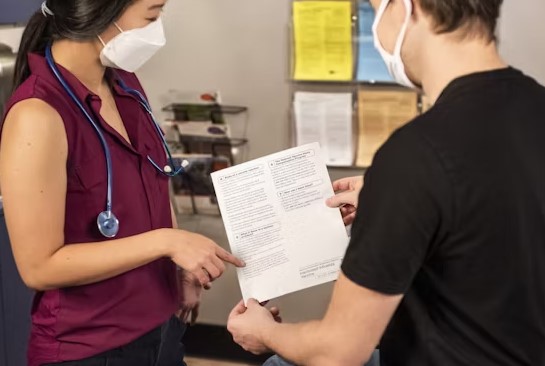
Caregivers play a critical role in supporting community health and stability. By assisting individuals who need help with daily living, they allow families to maintain stability, reduce hospital readmissions, and help people remain in their homes longer. The ripple effect reaches neighbors, friends, and extended networks, creating a more compassionate environment for everyone. Many communities depend on caregivers not just for physical support, but for the reassurance that their vulnerable members are treated with dignity and kindness. This contribution strengthens social bonds and can inspire others to consider careers in service to others.
Personal Transformation Through Caregiving
Over time, caregiving can reshape the way a person views life. The work often prompts reflection on priorities, values, and the importance of connection. Witnessing both struggles and moments of joy in others’ lives can shift perspectives on what matters most. Many caregivers report that the profession changes them in ways they did not anticipate, making them more patient, more adaptable, and more appreciative of their own health and relationships. This transformation is rarely sudden; it comes from daily experiences that gradually build a deeper understanding of resilience and human connection.
Caregiving is far more than a set of tasks performed for another person; it is a relationship built on trust, compassion, and mutual respect. It offers a unique chance to touch lives in ways that create lasting meaning for both parties. Those who choose this path often find themselves not only providing care but also learning, growing, and experiencing moments of deep fulfillment. In supporting others, caregivers often discover strengths within themselves and build bonds that stand as quiet proof of the profession’s true worth.
