

Creating a well-designed space takes more than picking paint colors and arranging furniture. It’s a process that blends creativity, technical skill, and a deep understanding of space, function, and materials. Many homeowners feel confident about making design choices on their own, only to face confusion and regret when things don’t come together the way they imagined. Hiring an interior designer may seem like a luxury, but when you look closely at the time, money, and stress saved, it often proves to be one of the smartest investments you can make in your home. Whether you’re renovating, building new, or simply reimagining a single room, the experience and insight a professional brings can make all the difference.
Avoid Costly Mistakes
Posts on this site may contain sponsored content, paid link placements, or affiliate links. I may earn a commission or fee if you click a link or purchase through these recommendations at no additional cost to you.
Designing a home without the right knowledge can lead to expensive missteps. Imagine investing in a sectional that’s too large for your living room or choosing a paint shade that looked beautiful under the store’s lighting but feels oppressive at home. These mistakes are not only frustrating—they often require a second round of spending to correct. This is where high-end interior experts come in, offering both guidance and foresight that prevent these kinds of errors. They understand how materials, scale, and layout work in unison and how to navigate the thousands of choices available. Their insight saves more than just money—it saves time, decision fatigue, and the mental wear of second-guessing every choice.
Create a Cohesive Look That Reflects Your Style
A home can look disjointed when every room is treated as a separate project without a consistent vision. Interior designers know how to create a flow that connects one space to the next while still allowing each room to express its unique purpose. They take the time to understand your preferences and how you live, then translate that into a design that feels like you, only better. From color palettes to furniture shapes and finishes, every detail is considered with the big picture in mind. What results is a home that feels intentional, harmonious, and personal, not a patchwork of trends or mismatched ideas.
Gain Access to Exclusive Resources and Trades
One of the hidden benefits of working with a designer is access. Professionals often have relationships with suppliers, artisans, and contractors that the average homeowner doesn’t. This can mean higher-quality materials, custom furnishings, and reliable craftsmanship—all without spending hours researching and vetting on your own. Many showrooms and trade-only resources are unavailable to the public, but a designer opens that door. Better yet, their network of trusted contacts can take on the heavy lifting, from custom upholstery to millwork, all managed and coordinated by someone who knows how to speak the language of tradespeople.
Save Time With Streamlined Planning and Project Management
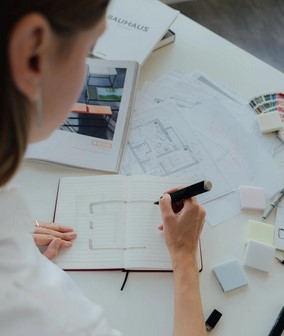
Design projects often spiral into lengthy timelines when there’s no clear plan or experience navigating delays and decision-making. A designer brings structure and strategy to the process. They create detailed schedules, source items efficiently, and anticipate delays before they become problems. Whether you’re tackling a kitchen remodel or furnishing an entire home, working with a designer means having someone dedicated to keeping the project moving. They handle the coordination between vendors, deliveries, contractors, and installers—saving you from spending your evenings juggling emails and timelines. This hands-on management keeps your project on track and your stress level in check.
Elevate Function Through Smart Space Planning
Beauty alone doesn’t make a home livable. A well-designed space must support your daily routine, offer comfort, and anticipate future needs. Interior designers are trained to think about flow, ergonomics, and efficiency. They understand how to make the most of awkward corners, how to maximize storage without cluttering the room, and how to balance form with function. A designer asks questions that go beyond aesthetics: Do you entertain often? Do kids or pets need room to play? Do you need privacy to work from home? The answers shape decisions that lead to spaces that aren’t just stylish, but improve the way you live.
Increase Long-Term Value
A thoughtful interior design doesn’t just make your home more enjoyable now—it can pay dividends in the future. Well-executed design enhances curb appeal and perceived value, especially when it comes time to sell. Buyers notice finishes that feel upscale, layouts that make sense, and spaces that have been cared for. Homes that are both functional and beautiful stand out in a crowded market. By investing in professional design, you’re not just making your current experience more comfortable; you’re adding appeal that lasts. Whether your goal is to sell in a few years or stay for decades, your home becomes a more desirable, enduring asset.
Hiring an interior designer is often seen as a luxury reserved for large budgets or elaborate homes, but its real value lies in the clarity and confidence it brings to your project. With the right professional by your side, you sidestep costly errors, avoid overwhelm, and enjoy a space that reflects who you are, designed with purpose and skill. The benefits stretch far beyond aesthetics; they touch every part of the process and outcome. A well-designed home supports your lifestyle, tells your story, and remains timeless through the years. When you look at it that way, the investment becomes not just worthwhile, but necessary.
