
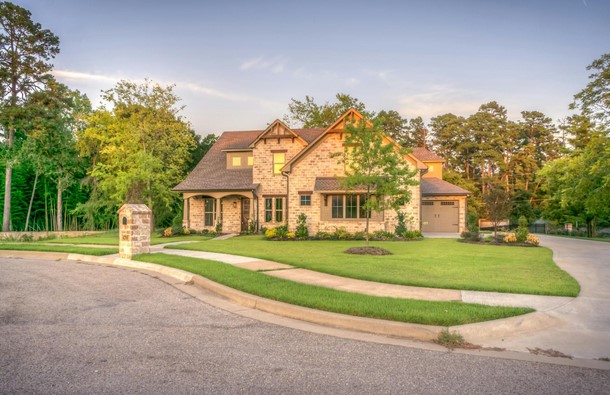
Summer heat can turn your home into an uncomfortable sauna, sending energy bills skyrocketing as air conditioners work overtime. However, staying cool doesn’t have to drain your wallet or require expensive renovations.
Posts on this site may contain sponsored content, paid link placements, or affiliate links. I may earn a commission or fee if you click a link or purchase through these recommendations at no additional cost to you.
With some strategic planning and a few simple adjustments, you can significantly reduce indoor temperatures and create a more comfortable living environment. These budget-friendly solutions will help you beat the heat without breaking the bank.
1. Install Ceiling Fans for Enhanced Air Circulation
Ceiling fans are one of the most cost-effective cooling solutions available to homeowners today. They consume significantly less energy than air conditioning units while providing immediate relief from oppressive heat.
The best ceiling fans can cost anywhere from one fifty to four hundred dollars, with installation being straightforward enough for DIY enthusiasts.
The key to maximizing your ceiling fan’s effectiveness is ensuring it rotates counterclockwise during summer months. This direction creates a downdraft that produces a wind-chill effect, making you feel up to eight degrees cooler without actually lowering the room temperature. This allows you to raise your thermostat setting by several degrees, reducing air conditioning costs considerably.
2. Utilize Window Treatments Strategically
Window coverings serve as your first line of defense against solar heat gain during scorching summer days. Closing blinds, curtains, or shades on windows receiving direct sunlight can reduce heat by up to forty-five percent. This simple action takes mere seconds but delivers impressive results throughout the day.
Light-colored window treatments with white plastic backings are particularly effective at reflecting heat away from your home. Thermal curtains or cellular shades provide additional insulation, creating an air pocket between the window and room. For south and west-facing windows, consider installing exterior awnings or interior reflective films.
The timing of opening and closing window treatments significantly impacts their effectiveness in maintaining comfortable temperatures. Close coverings before the sun hits each window and open them in the evening when outdoor temperatures drop. This strategic approach prevents heat buildup while allowing cooler night air to circulate naturally.
3. Create Cross-Ventilation Throughout Your Home
Cross-ventilation harnesses natural breezes to cool your home without consuming any electricity or requiring expensive equipment. This ancient cooling technique works by opening windows on opposite sides of your house, allowing air to flow through and carry away accumulated heat. The process is most effective during early morning or late evening hours.
To maximize cross-ventilation effectiveness, open windows on the cooler side of your home while creating exhaust points on the warmer side.
Positioning box fans in windows can accelerate this process, pulling hot air out while drawing cooler air in. Upper-level windows should exhaust warm air while lower-level windows intake cooler air.
4. Switch to LED Lighting Throughout Your Space
Incandescent bulbs waste ninety percent of their energy as heat, essentially functioning as tiny space heaters in every fixture. Replacing them with LED bulbs eliminates this unnecessary heat source while reducing energy consumption by seventy-five percent. The upfront investment pays for itself through lower electricity bills and reduced cooling costs.
LED bulbs remain cool to the touch even after hours of operation, unlike their incandescent counterparts that become dangerously hot. This temperature difference seems minor but accumulates significantly across multiple light fixtures throughout your home. During summer months, the reduced heat output means your air conditioner works less to maintain comfortable temperatures.
Beyond temperature benefits, LED bulbs last up to twenty-five times longer than traditional incandescent bulbs, saving replacement costs. They’re available in various color temperatures to match any ambiance preference you desire for different rooms. The combination of reduced heat, lower energy bills, and extended lifespan makes LEDs an obvious choice.
5. Optimize Your Thermostat Settings
Your thermostat setting dramatically impacts both comfort levels and energy expenses throughout the hottest months of summer. Setting your air conditioner to seventy-eight degrees when home and eighty-five degrees when away strikes an ideal balance. Each degree you raise the thermostat saves approximately three percent on cooling costs annually.
Programmable thermostats automate temperature adjustments based on your schedule, eliminating the need to remember manual changes daily. These devices cost between thirty and one hundred fifty dollars but typically pay for themselves within one year. Smart thermostats offer additional features like remote control and learning capabilities that optimize efficiency over time.
Avoid the common mistake of drastically lowering the thermostat hoping for faster cooling when you arrive home hot. Air conditioners work at the same rate regardless of temperature setting, so extreme adjustments only waste energy.
6. Maintain Your Air Conditioning System Properly
Regular air conditioner maintenance ensures optimal performance and prevents unnecessary energy waste during peak summer demand periods. Replacing or cleaning air filters monthly keeps airflow unrestricted and efficiency maximized throughout the cooling season. Dirty filters force systems to work harder, consuming more energy while providing less effective cooling.
Outdoor condenser units require attention too, as debris and vegetation obstruct airflow and reduce cooling capacity significantly. Clear leaves, grass clippings, and other debris from around the unit regularly, maintaining at least two feet of clearance. Gently hosing down the exterior fins removes accumulated dirt that impedes heat transfer.
Annual professional maintenance catches potential problems before they become expensive failures during the hottest weather when you need cooling most. Technicians check refrigerant levels, clean coils, test electrical connections, and ensure all components function properly.
7. Cook Outdoors or Use Heat-Free Alternatives
Cooking indoors introduces substantial heat into your home, forcing air conditioners to work harder removing it afterward. Ovens are particularly problematic, raising kitchen temperatures by ten degrees or more during summer cooking sessions. Grilling outdoors moves this heat production outside, keeping your interior spaces cooler while adding enjoyable variety.
When outdoor cooking isn’t practical, consider using smaller appliances like microwaves, slow cookers, or toaster ovens instead. These alternatives generate significantly less ambient heat than conventional ovens while accomplishing most cooking tasks effectively. Preparing cold meals like salads, sandwiches, and smoothies eliminates cooking heat entirely during the hottest periods.
Running heat-producing appliances during cooler morning or evening hours rather than midday reduces their impact on indoor temperatures. This scheduling approach applies to dishwashers, clothes dryers, and other heat-generating equipment throughout your home. Strategic timing makes these necessary tasks less burdensome on your cooling system.
Conclusion
While these improvements require initial investment, they typically reduce cooling costs by fifteen to twenty percent annually. Combined with other strategies, they create a comprehensively cooler, more comfortable, and energy-efficient home.
