
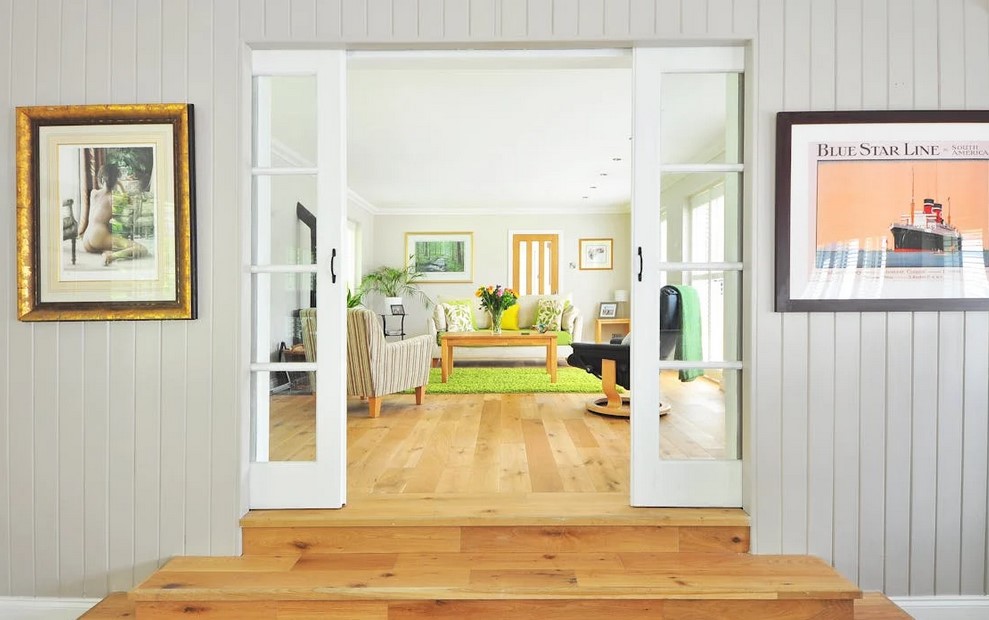
A well-maintained home not only retains its value but also provides a safe and comfortable environment for its residents. Regular maintenance prevents small issues from turning into costly repairs and ensures that the house remains functional for years to come. However, some areas of the house are often overlooked, even though they require just as much attention as the more obvious ones. This guide highlights eight places in the house that demand regular maintenance, focusing on both commonly checked areas and those that might not be on your radar.
- Roof
The roof is one of the most critical parts of a home, yet it often goes unnoticed until a problem arises. Regular inspections help catch issues like missing shingles, leaks, or sagging sections early. Ignoring the roof can lead to water damage, mold, and structural deterioration. Inspect your roof at least twice a year and after severe weather events. Remove debris, check for signs of wear, and address minor repairs promptly. Scheduling professional inspections every few years ensures that your roof remains in top condition, saving you from more extensive and expensive repairs down the line.
- Crawl Space
Posts on this site may contain sponsored content, paid link placements, or affiliate links. I may earn a commission or fee if you click a link or purchase through these recommendations at no additional cost to you.
The crawl space is a part of the house that many homeowners neglect, but it plays a vital role in the home’s overall health. Issues like crawl space flooding or excessive moisture can lead to mold growth, pest infestations, and even structural damage. Regularly inspect the crawl space for standing water, signs of mold, or musty odors. Proper ventilation and sealing can help maintain a dry environment. Consider installing a vapor barrier or sump pump to protect against flooding. Keeping this area well-maintained prevents long-term damage and ensures the stability of your home’s foundation.
- HVAC System
Your HVAC system keeps your home comfortable year-round, making regular maintenance essential for its efficiency and longevity. Neglecting this system can lead to poor air quality, higher energy bills, and breakdowns. Change air filters every 1-3 months to keep the system running smoothly and improve indoor air quality. Schedule professional inspections and tune-ups annually to check for issues like refrigerant leaks or clogged ducts. Clean vents and registers regularly to ensure optimal airflow. A well-maintained HVAC system keeps your home comfortable and helps you save on energy costs.
- Plumbing System
A well-functioning plumbing system is crucial for everyday activities like cooking, cleaning, and bathing. Regular maintenance helps prevent leaks, clogs, and water damage. Inspect pipes under sinks and in the basement for signs of corrosion or dripping. Address slow drains promptly to prevent more severe blockages. Check faucets, showerheads, and toilets for leaks, as even small drips can waste gallons of water over time. Installing water leak detectors can provide early warnings of potential issues. Regular attention to your plumbing system keeps it running efficiently and avoids costly repairs.
- Windows and Doors
Windows and doors play a key role in maintaining your home’s energy efficiency and security. Over time, seals and weatherstripping can wear out, allowing drafts to enter and increasing heating and cooling costs. Regularly inspect windows and doors for cracks, gaps, or damage. Replace worn weatherstripping and recaulk areas where seals have deteriorated. Clean the tracks of sliding doors and ensure locks are functioning properly. By maintaining windows and doors, you can improve insulation, reduce energy costs, and keep your home safe and comfortable.
- Foundation
The foundation supports the entire structure of your home, making its maintenance critical. Cracks, settling, or water pooling near the foundation can indicate potential problems that require immediate attention. Regularly inspect the foundation for visible cracks or signs of uneven settling. Ensure that gutters and downspouts are directing water away from the foundation to prevent erosion or water damage. If you notice significant cracks or other issues, consult a professional to assess the situation. Addressing foundation problems early can save you from costly repairs and protect the structural integrity of your home.
- Electrical System
The electrical system is one of the most crucial yet often neglected parts of a home. Faulty wiring or overloaded circuits can pose serious safety hazards, including the risk of fire. Regularly check outlets and switches for signs of wear, such as discoloration or buzzing sounds. Test your circuit breakers to ensure they are functioning properly, and replace any outdated wiring. Installing surge protectors can safeguard your appliances and electronics from power surges. Schedule an inspection by a licensed electrician every few years to ensure your system is up to code and operating safely.
- Exterior Siding and Paint
The exterior of your home is your first line of defense against the elements, so keeping it in good condition is essential. Over time, siding can develop cracks or become dislodged, while paint can peel or fade, leaving your home vulnerable to moisture and pests. Inspect your siding for damage and repair or replace sections as needed. Repaint areas where the paint is peeling or cracking to protect the underlying materials. Power washing your home’s exterior once or twice a year can remove dirt, mold, and mildew, keeping it looking fresh and extending its lifespan.
Maintaining your home is an ongoing process that ensures its safety, functionality, and value. By focusing on key areas like the crawl space, roof, plumbing, HVAC system, windows, foundation, electrical system, and exterior, you can prevent minor issues from escalating into costly repairs. Regular maintenance not only protects your investment but also creates a comfortable and secure living environment for your family. Establishing a maintenance schedule and addressing issues promptly will help keep your home in excellent condition for years to come. A well-maintained home is not just a reflection of care and pride—it’s also a practical way to save time, money, and stress in the long run.
