
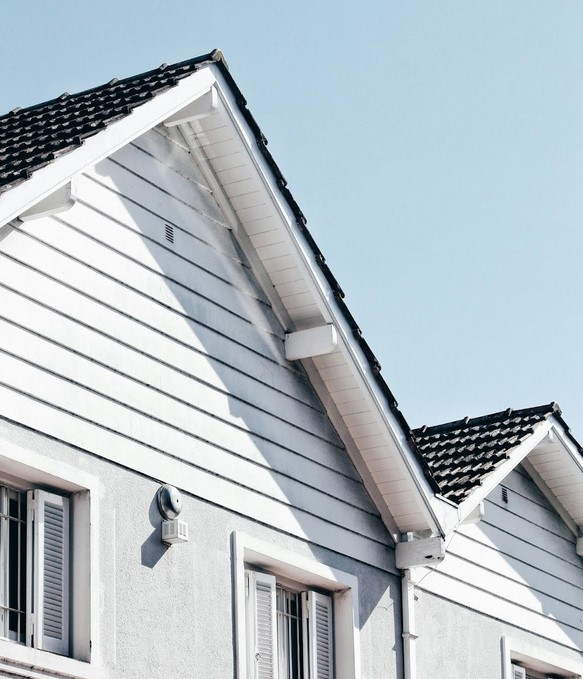
The roof is one of the most vital components of any home. It provides protection from the elements, insulation against temperature extremes, and structural integrity to the entire house. Despite its importance, many homeowners overlook regular roof inspections, often until a costly leak or visible damage demands immediate attention. Proactive inspections prevent extensive repairs and ensure the safety and well-being of your family.
Routine roof inspections are especially critical for families living in regions with frequent storms, fluctuating temperatures, or aging properties. A professional inspection can catch early signs of damage that may go unnoticed by the untrained eye. When addressed early, these issues can be fixed efficiently, avoiding the high costs and dangers of major roof failure. Understanding what to look for, how often to inspect, and who to trust are all key to maintaining a roof that’s as safe as it is strong.
Why Professional Inspections Matter
While some homeowners are comfortable performing visual checks from the ground, nothing replaces a thorough inspection by a qualified roofing expert. Certified professionals assess areas of the roof that aren’t easily visible, including under shingles, around flashing, and inside attic spaces. They know how to spot warning signs like moisture intrusion, material fatigue, improper ventilation, and sagging structures, issues that might otherwise go undetected until serious damage occurs.
Posts on this site may contain sponsored content, paid link placements, or affiliate links. I may earn a commission or fee if you click a link or purchase through these recommendations at no additional cost to you.
For families with children or elderly residents, roof safety isn’t just about preventing water stains or energy loss. It’s about ensuring the entire household is protected from potential hazards like mold growth, ceiling collapse, or fire risks from faulty ventilation. These are real concerns that can result from a compromised roof system. A trusted Georgia roofing inspection team can provide peace of mind by conducting a detailed evaluation, identifying vulnerabilities, and offering recommendations tailored to your home’s age, materials, and regional climate. Their insight helps you prioritize repairs before emergencies happen, reinforcing your family’s safety and your home’s long-term value.
Key Components of a Roof Inspection
A comprehensive roof inspection includes both the exterior and interior elements of your roofing system. Externally, inspectors check for damaged, missing, or curling shingles, compromised flashing around chimneys and skylights, clogged or misaligned gutters, and any signs of ponding water.
They examine structural integrity, looking for sagging or uneven rooflines, soft spots in the decking, and evidence of animal intrusion. On the interior, professionals inspect attic insulation, signs of moisture or mold, and the condition of rafters and joists.
Inspectors may evaluate ventilation systems to ensure proper airflow, which plays a vital role in regulating temperature and moisture levels. A well-ventilated attic prevents condensation that can lead to wood rot, warped shingles, and premature material failure.
Seasonal Timing and Frequency
Inspections should be scheduled at least once a year, ideally during spring or fall when weather conditions are moderate. These transitional seasons make it easier to assess any damage from summer heat or winter storms while still having enough time to complete necessary repairs before more severe weather sets in.
Homeowners should request inspections after major storms, especially if high winds, hail, or heavy rain are involved. Even if your roof appears intact from the ground, storm damage can include lifted shingles, punctures, and weakened flashing, all of which may worsen over time if not addressed quickly.
Some roofing contractors offer annual inspection packages or roof maintenance plans, providing regular checkups and prioritized scheduling in emergencies. These programs help busy families stay ahead of problems without having to remember when the last inspection took place.
Benefits Beyond Immediate Safety
While roof inspections primarily focus on damage prevention and structural soundness, they offer a host of other benefits that support home health. Identifying and correcting insulation or ventilation issues can significantly improve energy efficiency, lowering heating and cooling costs.
Early leak detection prevents water infiltration that can damage drywall, flooring, and electrical systems. Over time, water damage can lead to mold and mildew, which can have serious health consequences for young children or anyone with respiratory conditions.
A well-maintained roof increases home resale value. Buyers are more likely to invest in a property with documented inspection reports, recent repairs, and a roof in good condition. In some cases, a certified inspection can lead to reductions in home insurance premiums, especially if updates or reinforcements have been made.
DIY Visual Checks to Support Professional Assessments
While professional inspections are important, homeowners can perform basic visual checks in between visits. From the ground, use binoculars to scan for obvious issues like dark patches, missing shingles, or sagging lines. Inside the home, be alert for water stains on ceilings, unusual drafts, or musty odors coming from attic spaces.
If safe access is possible, check that gutters are free of debris and securely attached. Poor drainage contributes to water damage and can compromise the edge of the roof over time. Avoid climbing on the roof unless you’re experienced and have proper safety gear; most inspections are best left to trained professionals.
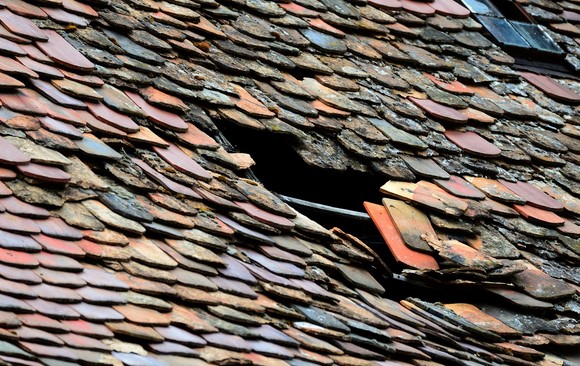
By scheduling regular inspections, addressing small issues early, and working with skilled professionals, you’re investing in the longevity of your home and the safety of everyone under its roof. Don’t wait for water to drip through the ceiling to take action; start your roof care routine now and give your family one more layer of protection.
