
Proper insulation is one of the most important elements of a comfortable, energy-efficient home. It acts as a barrier against heat loss in winter and heat gain in summer, helping to maintain a consistent indoor temperature. Whether you’re building a new home or upgrading an older one, the type of insulation you choose can greatly affect your utility bills, indoor air quality, and overall comfort.
However, selecting the right insulation isn’t always straightforward. With so many options available—ranging from fiberglass batts to spray foam and rigid boards—understanding your home’s needs and local climate is key to making the best decision. This guide will walk you through the most important considerations to help you choose the right insulation for your home.
Understand the Types of Insulation Available
There are several different types of insulation materials on the market, and each comes with its own advantages. Fiberglass batts are one of the most commonly used forms due to their affordability and ease of installation. They’re suitable for walls, attics, and floors but must be installed carefully to avoid gaps that reduce effectiveness.
Spray foam insulation offers superior sealing properties and is ideal for hard-to-reach areas, such as around wiring and plumbing. It can also add structural integrity to your home, but it tends to be more expensive than other options.
Blown-in cellulose insulation is made from recycled paper products and is often used in attics and wall cavities. It provides good thermal resistance and is a popular choice for retrofitting older homes.
Rigid foam boards are another efficient option, especially for basement walls or exterior insulation applications. They provide a high R-value per inch and are excellent for reducing thermal bridging.
Consider Your Local Climate and Building Design
The effectiveness of insulation depends largely on your location and the specific areas of your home that require coverage. In colder climates, homes benefit from higher R-values in the attic and wall cavities to retain heat during long winters. Conversely, homes in warmer regions may prioritize insulation that helps reflect heat and maintain cooler interior spaces.
Additionally, your home’s layout, roof pitch, and the materials used in its construction can influence which insulation type will perform best. Homes with cathedral ceilings or flat roofs may require special insulation strategies to avoid condensation and energy loss.
Local building codes can also impact your choice, as they often specify minimum R-values for different zones. Consulting with a local contractor or energy auditor can help you determine what’s appropriate for your home and ensure compliance with regional standards.
Evaluate Cost Versus Long-Term Savings
Posts on this site may contain sponsored content, paid link placements, or affiliate links. I may earn a commission or fee if you click a link or purchase through these recommendations at no additional cost to you.
When comparing insulation options, it’s tempting to focus solely on upfront cost. However, insulation should be viewed as a long-term investment. Higher-quality insulation may come with a larger initial price tag but can pay off significantly over time through reduced energy bills. It’s worth exploring various factors when budgeting for home insulation, including material costs, installation expenses, expected energy savings, and potential rebates or tax incentives. In some areas, utility companies or government programs offer financial assistance for energy-efficient upgrades, which can help offset costs and encourage sustainable choices.
Choosing the right insulation now can help prevent costly issues down the line, such as moisture damage, air leaks, and inconsistent temperatures that lead to higher HVAC usage.
Pay Attention to Installation Quality
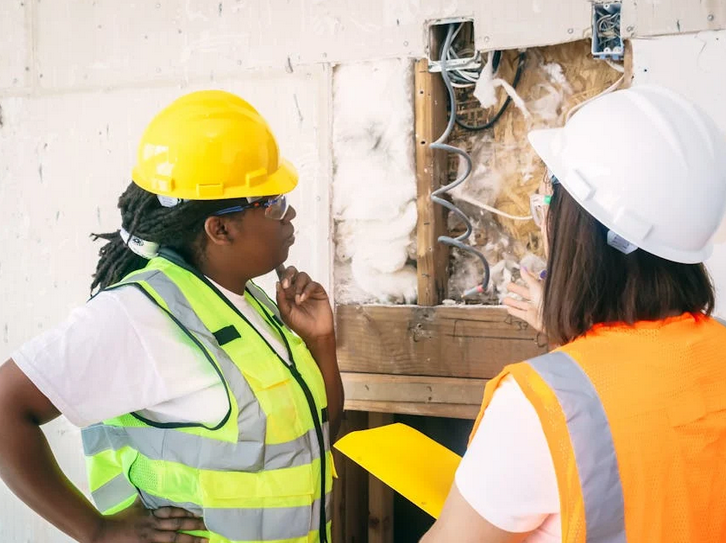
Even the best insulation materials can underperform if they’re not installed correctly. Gaps, compression, and misalignment can allow air to pass through, dramatically reducing the insulation’s effectiveness. This is especially important in areas like attics, crawl spaces, and rim joists, where improper sealing is common.
If you’re hiring a contractor, make sure they are experienced with the specific insulation type you’re using and follow best practices for air sealing and moisture control. A professional installation can also help ensure that vapor barriers are placed correctly and that insulation does not block necessary ventilation pathways.
For DIY projects, follow manufacturer instructions closely and research proper techniques for the area you’re insulating. A little extra attention to detail during installation can go a long way in boosting performance.
Don’t Overlook Indoor Air Quality and Moisture Control
In addition to thermal performance, insulation can also affect the indoor air quality and moisture levels of your home. Certain types of insulation, such as spray foam, create a tight seal that can reduce the flow of outdoor air—both good and bad. While this helps improve energy efficiency, it also requires proper ventilation to avoid trapping humidity or indoor pollutants.
Materials like cellulose or mineral wool offer good soundproofing qualities and are treated to resist pests and mold, making them great choices for areas prone to dampness or high humidity. Be sure to choose insulation that aligns with your home’s ventilation system and overall building envelope strategy.
Choosing the right insulation isn’t just about comfort—it’s about building a home that performs efficiently, lasts longer, and supports your well-being. By understanding the types of insulation available, evaluating your climate and building structure, and factoring in long-term cost savings, you can make an informed decision that pays off for years to come. Taking the time to research your options and prioritize proper installation ensures that your home stays protected, efficient, and comfortable through every season.
