
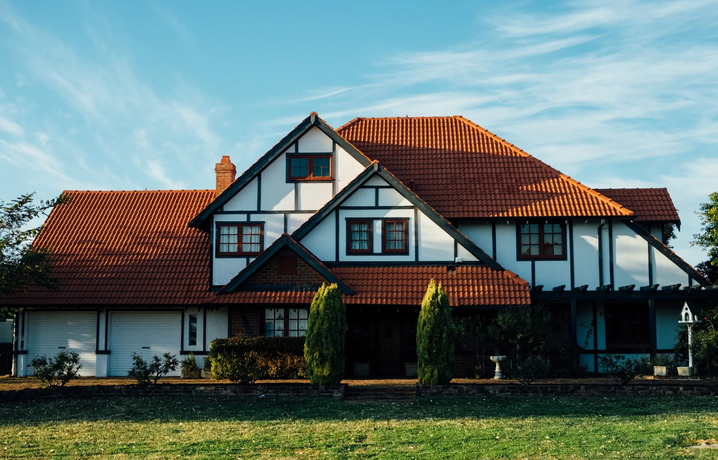
Choosing the right roof for your home is a significant decision that combines aesthetics, functionality, and long-term durability. Your roof not only protects your family and possessions from the elements but also enhances the overall look and value of your property. With so many options available, finding the perfect roof for your home and needs can feel overwhelming. This guide will help you navigate the decision-making process and ensure you select a roofing solution that meets your family’s needs and budget.
Understanding Different Roofing Materials
Posts on this site may contain sponsored content, paid link placements, or affiliate links. I may earn a commission or fee if you click a link or purchase through these recommendations at no additional cost to you.
One of the first steps in choosing a roof is understanding the various materials available. And, understanding the pros and cons of each material is key to selecting the best roof for your home based on your priorities and location. Each option comes with unique advantages, aesthetics, and price points, allowing homeowners to select one that best suits their requirements.
- Asphalt Shingles: Affordable and versatile, asphalt shingles are among the most popular roofing materials in the U.S. They come in a wide range of colors and styles, making them a great option for homeowners looking for a customizable and budget-friendly solution.
- Metal Roofing: Known for its durability and energy efficiency, metal roofing is an excellent choice for those living in areas prone to extreme weather conditions. Metal roofs reflect sunlight, helping to reduce energy costs during the summer months.
- Clay or Concrete Tiles: These tiles provide a timeless, elegant look, making them ideal for Mediterranean or Southwestern-style homes. While they are more expensive and heavier than other options, their longevity and weather resistance make them a worthwhile investment.
- Wood Shingles and Shakes: For a natural, rustic appearance, wood shingles and shakes are an attractive choice. However, they require more maintenance and may not be suitable for areas with high fire risk unless treated with fire-resistant coatings.
- Slate Roofing: Known for its exceptional durability and sophisticated appearance, slate roofing can last for over a century. While it’s one of the most expensive options, it offers unparalleled longevity and beauty.
Evaluating Weather and Climate Considerations
The climate in your area plays a significant role in determining the right roofing material for your home. For example, homes in regions with heavy snowfall or rain benefit from durable, waterproof materials like metal or slate. In areas with high temperatures, reflective materials such as metal or light-colored asphalt shingles can help reduce cooling costs.
For areas prone to strong winds or hurricanes, look for roofing materials with high wind resistance ratings. Manufacturers often provide detailed specifications for their products, indicating how well they perform in different environmental conditions. Consulting with a local roofing professional can provide valuable insights into what works best in your specific climate.
Balancing Aesthetics and Practicality
Your roof significantly contributes to your home’s curb appeal. It’s important to choose a style and color that complements your home’s architecture and exterior design. Consider how the roof’s appearance will harmonize with other elements, such as siding, windows, and landscaping.
While aesthetics are important, don’t sacrifice practicality for appearance. A beautiful roof that doesn’t meet your functional needs may lead to costly repairs or replacements in the future. Striking the right balance between style and utility ensures that your roof remains both attractive and effective for years to come.
Factoring in Longevity and Maintenance
The lifespan of your roof is a critical consideration when making a decision. Some materials, such as asphalt shingles, may need replacement after 20–30 years, while others, like slate or metal, can last 50 years or more. Longevity often comes with a higher upfront cost, but it can save money in the long run by reducing the need for frequent replacements.
Also, consider the maintenance requirements of different materials. For instance, wood shingles and shakes require regular treatments to prevent rot and insect damage, while metal roofs may only need occasional cleaning to maintain their appearance. Understanding the level of upkeep required helps you choose a roof that fits your lifestyle and maintenance preferences.
Understanding Cost and Budget
Roofing costs vary widely depending on the material, installation complexity, and home size. It’s important to establish a budget before beginning your search to avoid overspending. While it may be tempting to opt for the cheapest option, consider the long-term value of investing in a durable, high-quality roof that offers better performance and longevity.
In addition to material costs, factor in expenses such as labor, underlayment, and any necessary structural reinforcements. Some roofing materials may also qualify for energy efficiency or weather-related tax credits, helping offset the initial investment.
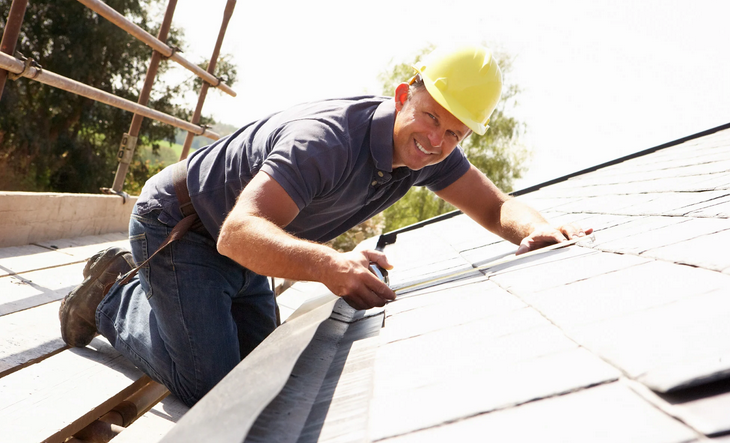
Selecting the right roof is a decision that impacts your home’s comfort, safety, and value for years to come. By understanding your options, considering climate and aesthetics, and partnering with trusted professionals, you can find a roofing solution that meets both your functional and design needs. With the right roof in place, you’ll enjoy peace of mind knowing your family is protected in a home that looks great and performs even better.
