
Home renovations usually start with a practical reason, maybe a space feels too small, too dark, or just doesn’t work the way it should. But what often surprises families is how much those changes ripple into daily routines. Knocking down a wall also allows homeowners to focus on how people gather, move, and even relax together. The new design can change how life flows inside it.
Take comfort systems as an example. Families may start out thinking of them as background features, yet they set the tone for how every room feels. Whether it’s staying cool on hot summer days or cozy when winter hits, the systems running behind the walls often guide how the family uses each space.
Updating Comfort Systems
When renovations begin, comfort usually sits high on the list. Families want spaces that don’t just look fresh but also feel inviting in everyday life. Temperature, airflow, and overall comfort influence whether people spend time in one part of the house or drift somewhere else. Renovations offer a chance to rethink those systems so every room feels consistent, no matter what the weather is like outside.
Posts on this site may contain sponsored content, paid link placements, or affiliate links. I may earn a commission or fee if you click a link or purchase through these recommendations at no additional cost to you.
Cooling systems, in particular, can shift how families use different areas. Choosing the right AC for your home makes it possible to use more rooms comfortably instead of sticking to a single spot when it gets hot. Renovation projects are the perfect time to rethink what type of system fits the layout.
Shifting Walls for Open Layouts
Few renovation moves are as dramatic as shifting walls. Taking down barriers between rooms changes how people spend time together. An open layout can pull the kitchen, dining, and living room into one big area, so no one feels cut off when meals are being made or games are happening nearby.
Families often notice that once walls are opened up, routines shift with them. Kids may end up doing homework at the dining table while someone cooks, or gatherings may feel more casual since everyone has space to spread out without being in separate rooms.
Dining Rooms to Casual Spaces
Formal dining rooms once had their moment, but for many families today, they can feel stiff or underused. Renovations give the chance to transform them into spaces that fit modern life better. Turning them into casual eating areas, game rooms, or even flexible workspaces can breathe life into a room that otherwise sits empty most of the year.
What makes this shift so impactful is that it creates a space families actually want to use daily. Instead of a room reserved for special dinners, it becomes a spot where people naturally gather.
Bathrooms for Shared Use
Bathrooms might not always feel like the most exciting part of a renovation, but they carry a big impact. Families often find that updating bathrooms to be more functional for multiple people at once makes the mornings less hectic. Double sinks, larger showers, or thoughtful storage can make daily routines run far smoother.
Shared-use bathrooms also change how family members use private versus shared spaces. When the design allows two or three people to get ready at the same time, it helps free up other areas of the home for use.
Basements Into Multi-Use Areas
Basements used to be the land of storage boxes and laundry machines. Renovations flip that story completely. Families now see them as blank canvases where anything from movie nights to workout zones can happen.
What’s fun is how flexible these spaces can become. A single basement can act as a playroom during the day, a workout space in the evening, and a hangout spot at night. Renovations that open up the basement unlock a space that evolves with the family’s needs.
Garages with New Purpose
Renovations that rework garage space can completely change how families use their homes. From home gyms to art studios to game zones, garages hold plenty of potential that often goes untapped.
Once the space is finished and organized, families realize it adds square footage to their lifestyle. A garage gym means fewer excuses for skipping workouts, while a hobby studio gives kids or parents a creative outlet.
Outdoor Decks for Everyday Living
Adding or updating a deck instantly changes how families connect with the outdoors. Renovations here make it easier to eat meals outside, host friends, or just relax in the fresh air without leaving home. A deck extends the living space without knocking down walls inside.
Families find that once the deck is there, it naturally becomes part of their routine. Breakfast might move outside in summer, or evenings might end with sitting under the stars.
Bedrooms Expanded
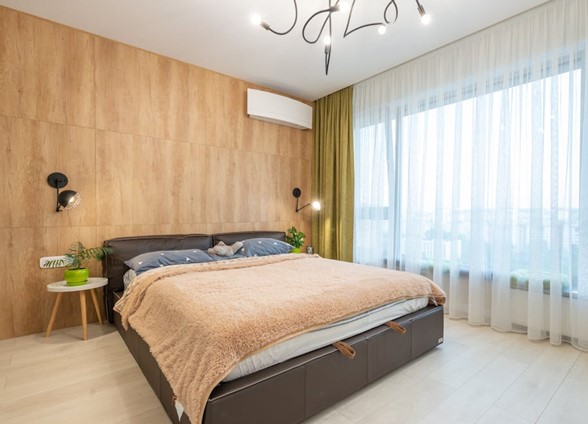
Bedrooms don’t always get attention in renovation plans, but when they do, the results can be significant. Expanding them creates more room for comfort, storage, or even small lounge areas where kids or parents can wind down.
An expanded bedroom gives people a sense of personal retreat. Instead of just a place to sleep, it becomes a space to recharge, read, or even work quietly when needed.
Family Rooms That Center Activity
Family rooms often become the heart of the house. Renovations that add or update them change how groups gather under one roof. Whether it’s movie nights, game sessions, or casual lounging, a well-planned family room gives everyone a reason to be together.
What’s interesting is how these spaces can grow with the family. When the kids are little, it might be a play zone. As they get older, it becomes the hangout spot for friends.
Walk-In Pantries That Shift Kitchen Flow
Walk-in pantries might sound like a luxury, but they quickly become practical game-changers. Renovations that include them keep the kitchen uncluttered while making it easier to store food and supplies.
Families also find that the pantry changes how they shop and eat. Bulk items fit easily, snacks have their spot, and meal prep becomes smoother.
Hallways That Feel Lived-In
Hallways often get overlooked, but renovations can turn them into part of the living space. Adding storage, seating, or even display shelves makes them useful instead of just transitional.
Families notice that when hallways are designed with purpose, they stop being wasted space. A hallway with hooks and shelves becomes a drop zone. One with a bench can double as a quick reading spot.
Renovations help in changing how families actually live together in a space. When families look back after a renovation, they often realize the project changed their routines, their gatherings, and even the way they relax.
