
Alright so, let’s just be real here—picking out pavers probably isn’t something you think about often. It’s not exactly the kind of thing you wake up and say, “Today’s the day I figure out my patio paving strategy.” But honestly? Maybe you should. Or at least, like, maybe it’s time to think about it a little if your yard or driveway or whatever is starting to look… I don’t know… kinda worn out. Or maybe it’s just bland.
People have been getting into this whole outdoor upgrade thing lately—especially in places like California where, let’s face it, you can actually use your patio most of the year. So if you live in Los Angeles or down in San Diego, you’ve probably seen houses with these really nice paths or outdoor hangout spots that just feel… done right, you know? A lot of times, that’s pavers. Like, those little blocks under your feet? Yeah, that’s them.
Anyway, if you’re even sort of toying with the idea of redoing something outside—patio, walkway, driveway, whatever—this is probably a good place to start figuring out what’s what.
What Are Pavers and Why Are They Popular?
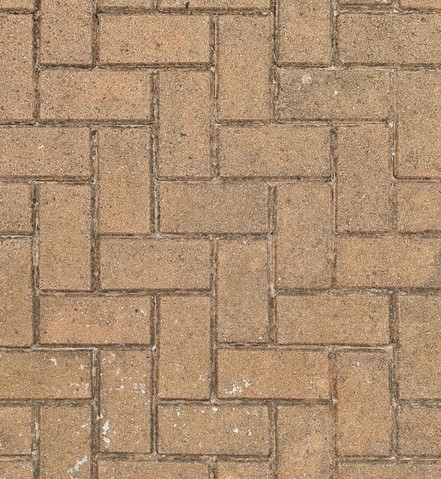
Okay so, pavers. What are they, really? Basically, they’re like individual tiles or bricks—or something in between—that you lay down one by one to create a surface. A surface you can walk on, or park a car on, or put a chair on and drink lemonade or whatever. Some folks think they’re all the same, but there’s actually a bunch of types.
You’ve got your concrete pavers, which are kind of the all-around players. Then there’s brick, which feels more old-school, and natural stone, which usually costs more but also looks kind of high-end. And then there are permeable pavers, which we’ll get into later—they’re sort of a whole thing on their own.
So why do people like them? Well for one, they’re strong. Like, you can drop a ladder on them and they won’t flinch. If one cracks, you don’t have to redo the whole driveway or patio—you just pop that one out and stick a new one in. Also, they come in a ton of colors and shapes and textures, which sounds minor, but makes a big difference when you’re trying to make your space feel… I don’t know, intentional?
They’re also kind of… flexible? Not literally, I mean. But like, you can design with them in all kinds of ways. Curves, borders, patterns, whatever your brain can come up with. And compared to just pouring a huge slab of concrete? They usually look way better.
Choosing the Right Paver for Your Home
Alright so let’s say you’re in. You want pavers. But which kind? That’s where it gets tricky, but also kind of fun if you’re into this kind of thing (even a little).
First, think about what you’re using them for. If it’s a driveway, you need pavers that can take the weight. Like, literal car weight. For patios or walkways? You can go a little lighter. Doesn’t mean cheaper, necessarily, but more options open up. Also, think about how slippery they get when wet. Especially if you’re using them around a pool or where kids might run around. Not fun to fall on wet stone.
Next up is style. Some people like that super smooth, modern vibe. Others go for rustic or natural, or even that kinda Tuscan courtyard look. Color matters here too. Like, light colors stay cooler in the sun, but darker ones hide dirt better. I don’t know—there’s pros and cons with both.
Then there’s the weather thing. Like in San Diego and L.A., it’s dry, warm, sometimes brutally sunny. You don’t really have to deal with snow.
And size? It matters. Bigger pavers look clean but might shift more if not installed just right. Small ones are more forgiving and better for curves, like around flower beds or that winding path you’re pretending to plan but haven’t really committed to yet.
Spotlight on California Trends: San Diego & Los Angeles Pavers
Posts on this site may contain sponsored content, paid link placements, or affiliate links. I may earn a commission or fee if you click a link or purchase through these recommendations at no additional cost to you.
In San Diego, people prefer soft coastal colors like whites, light grays, and sandy beige. Lighter colors don’t burn your feet if you walk barefoot — and yes, that happens more than you think. If you’re planning to upgrade your outdoor space, choosing the right San Diego pavers can make a big difference in both comfort and durability. Salt resistance is a thing too, especially if you’re anywhere near the ocean. Salt can wear stuff down.
Los Angeles, on the other hand, is a whole mixed bag. You’ve got everything from ultra-modern sleek black pavers in the hills to more Mediterranean-style setups in the valley or the East Side. Los Angeles Pavers often lean into green solutions too — think permeable setups that help with drainage and support drought-tolerant landscaping. People care about sustainability here.
Even if you don’t live in California, there’s no harm in pulling ideas from what folks are doing out here. It’s like Pinterest, but in real life. You just tweak the look to fit your space and weather.
Planning Your Paver Project
Okay so here’s the part nobody really gets excited about but you have to do it right—the prep.
You can’t just lay pavers on grass and call it a day. They need a proper base. Usually that means digging down a bit (how much depends on your soil and what you’re building), laying gravel, then sand, then the pavers. And then more sand to lock them in. You mess this up, and they’ll shift and look weird in like… a week.
Also, drainage. This is huge. You want the surface to slope slightly so water doesn’t just sit there. Especially if you’re using them near the house. Water near the foundation = bad news.
Now, could you DIY this? Sure. A lot of people do. But it’s work. And heavy. And honestly, kind of frustrating if you don’t like measuring or leveling. Hiring someone isn’t cheap, but at least it’ll be done right. (Hopefully.)
Once it’s done though? Maintenance is super chill. Just sweep it now and then. Maybe rinse it off. If weeds poke through, pull them or brush in more sand. That’s it.
Eco-Friendly and Permeable Paving Solutions
These are kind of a big deal in places like California because water conservation is a thing here.
They look pretty normal—some have gaps, some are made from more absorbent materials. You wouldn’t even know they’re different until you get a good rain.
In Los Angeles, they’re used a lot in places where runoff rules are strict. And in San Diego, where it doesn’t rain often but when it does—it pours—they help stop that flash flooding thing that happens in dry cities.
Even in other places like the Midwest or the South, they’re useful.
Cost Considerations and Return on Investment
Okay so, let’s talk money. Pavers are not the cheapest option, but they’re also not crazy expensive unless you go all-in on the fancy stuff.
Basic concrete pavers? Not bad. Some places have deals if you buy a lot. Natural stone? That’s where your wallet starts to cry a little. Then there’s labor, excavation, delivery, all the hidden bits people forget about. That stuff adds up.
Expect maybe $10–$30 per square foot, depending on all the things. Small projects? You might not notice. Big ones? Yeah, that’ll hit the budget.
But here’s the thing—they hold value. Like, actual resale value. People see a nice walkway or patio and it leaves an impression. It also helps that they don’t crack like concrete or get soft like asphalt in the sun. Long-term, you might actually come out ahead.
Conclusion
So yeah, pavers. More interesting than you thought, right? Start small if you need to. A little path, a few steps, even a small pad for the grill. Doesn’t have to be a whole patio all at once.
But once you start? You’ll kind of want to keep going. Promise.
