

Semi frameless shower screens give a bathroom a clean, modern look, but glass, frames, and seals quickly collect grime. Water spots, soap scum, and mildew can build up in only a few days, dulling the shine and making the screen harder to clean over time. A simple wipe with a towel rarely removes stubborn residue, especially if your home has hard water. With the right approach, you can keep the glass clear and the frames fresh without harsh scrubbing. This guide explains what causes dirt on semi frameless shower screens and walks through a practical, step‑by‑step cleaning method. You will also learn easy habits and protective treatments that keep the screen looking new for longer and reduce deep cleaning time.
What Causes Dirt and Stains on Shower Screens?
Soap Scum, Hard Water, and Mineral Build-Up
Every shower leaves a thin film on the glass. Soap, body wash, shampoos, and conditioners mix with minerals in water and cling to the surface. As the water dries, it leaves behind calcium and magnesium deposits that look like cloudy patches or white spots. This is common in homes with hard water, where limescale forms quickly. Soap scum bonds to these mineral deposits, turning into a rough, hazy layer that simple rinsing cannot remove. Over time, this build‑up becomes more difficult to clean and may even scratch if you scrub with abrasive tools. Regular cleaning breaks down this film before it hardens. Understanding this process helps you choose the right cleaners to dissolve minerals and cut through soap residue effectively.
Mold and Mildew in Humid Bathroom Conditions
Warm, steamy bathrooms create the perfect environment for mold and mildew. After a shower, moisture lingers on the glass, frames, and seals, especially in corners and lower edges where water collects. Poor ventilation makes the problem worse because damp air stays trapped. Mold and mildew appear as black, grey, or pink spots and often grow along silicone seals, grout lines, and track edges. Besides looking unpleasant, mold can cause odors and may trigger allergies for some people. Semi frameless screens have fewer metal sections than fully framed designs, but they still contain joints where moisture sits. Controlling humidity and drying surfaces quickly makes it harder for fungi to grow. Consistent cleaning removes early growth before it stains seals permanently.
How Frame Edges and Seals Trap Dirt
Semi frameless shower screens combine wide glass panels with slim metal frames and rubber or silicone seals. Those slim parts tend to catch more dirt than the glass itself. Water runs down the panels and then pools in the lower frame or track, carrying soap and skin oils with it. Tiny gaps around seals and joints trap this moisture, creating narrow spaces that sponges miss. Over time, grime hardens in these areas and discolors the frames or seals. Dust and hair also collect in tracks where doors slide, especially along the bottom edge. If you ignore these spots, they can develop mold, corrosion, and bad smells. Paying attention to edges during cleaning stops build‑up and keeps the whole screen hygienic.
How Do You Clean Semi Frameless Shower Screens Step by Step?
Tools and Cleaning Solutions You Need
Gather your tools before you start so the process runs smoothly. You will need a soft microfiber cloth, a non‑scratch sponge, and a rubber squeegee for drying. For frames and seals, keep an old soft toothbrush or small detailing brush nearby. Choose a mild, non‑abrasive cleaning solution safe for glass and metal. Many people use a mix of white vinegar and warm water to dissolve minerals, plus a few drops of dish soap to cut grease and soap scum. For heavier limescale, a commercial bathroom cleaner labeled for glass and chrome works well. Avoid harsh scourers, steel wool, and cleaners with strong acids or bleach that can damage coatings or seals. Finally, keep a clean dry towel ready to buff and remove remaining moisture.
Cleaning Glass Panels Without Streaks
Start by rinsing the glass panels with warm water to loosen surface grime. Spray your chosen glass cleaner or vinegar‑based solution evenly over the panels, focusing on cloudy or spotted areas. Let it sit for a minute or two so it can break down soap scum and mineral deposits. Gently wipe the glass using a microfiber cloth or non‑scratch sponge in vertical strokes, working from top to bottom. Avoid circular scrubbing, which can leave swirl marks. Rinse again with clean water to remove residue. Next, use a squeegee, starting at the top corner and pulling straight down in overlapping lines. Wipe the squeegee blade between strokes. Finish by lightly buffing any remaining droplets or streaks with a dry microfiber cloth for a crystal‑clear finish.
Cleaning Frames, Tracks, and Seals Properly
Frames, tracks, and seals need targeted attention because they trap the most grime. First, rinse these areas with warm water to flush out loose dirt and hair. Spray a mild cleaner directly onto the metal frames and rubber or silicone seals. Use a soft toothbrush or small brush to gently scrub along the edges, corners, and junctions where the glass meets the frame. For tracks at the bottom, lift or slide the door to access hidden sections. Scrub inside the channel to remove soap scum, mildew, and built‑up residue. Avoid using sharp tools that could scratch metal or tear seals. Rinse everything thoroughly and wipe dry with a cloth. Drying reduces water spots, deters mold growth, and keeps seals flexible and intact longer.
How Can You Keep Shower Screens Clean Longer?
Daily Habits to Prevent Build-Up
Small daily actions make the biggest difference to how often you need deep cleaning. After each shower, quickly rinse the glass and frames with warm water to wash away fresh soap and shampoo. Then use a squeegee from top to bottom to remove as much water as possible from the glass and lower frame. This single habit dramatically cuts water spots and limescale. Leave the bathroom fan on or open a window for at least fifteen minutes to reduce humidity and dry seals faster. Wipe any obvious drips on the floor channel or track with a towel. Try to avoid using bar soap with heavy talc, as it leaves more residue; liquid body wash usually creates less scum and is easier to rinse away.
Using Protective Coatings and Water Repellents
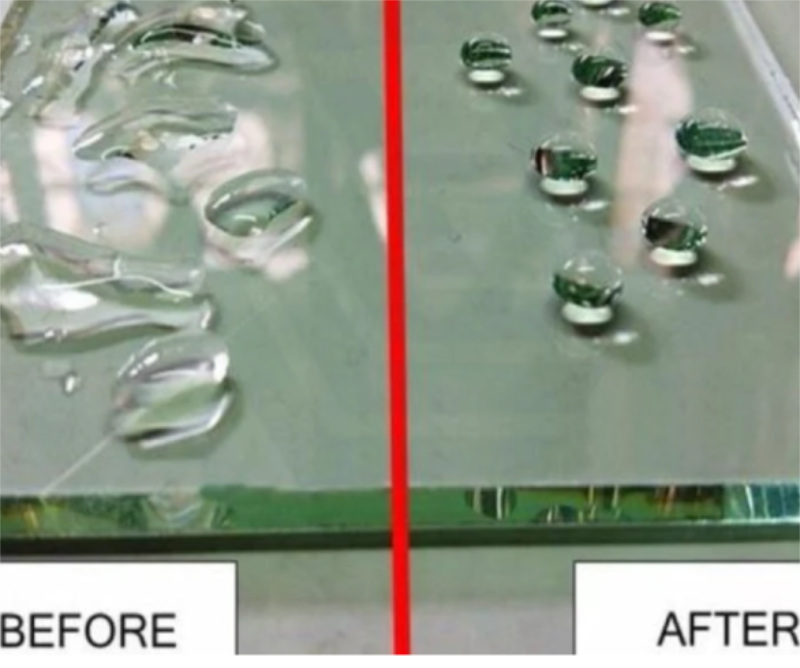
Protective coatings make future cleaning much simpler by stopping water and soap from clinging to the glass. Many semi frameless screens now come with a factory‑applied nano or hydrophobic coating that repels water. If yours does not, you can apply a glass sealant or shower‑specific water repellent at home. Clean the glass thoroughly first and let it dry completely. Then follow the product instructions, usually wiping a thin layer across the surface and buffing it off. The coating makes water bead and run off, reducing spots and mineral build‑up. Reapply every few months or as recommended. Some people also use a light car‑style glass sealant on metal frames to resist corrosion. Always check that any product is suitable for use in wet areas.
Conclusion
Posts on this site may contain sponsored content, paid link placements, or affiliate links. I may earn a commission or fee if you click a link or purchase through these recommendations at no additional cost to you.
Cleaning semi frameless shower screens becomes easier once you understand where grime comes from and how to tackle each part. Soap scum, hard water, mold, and trapped dirt all play a role, especially around frame edges and seals. By using gentle tools, a suitable cleaner, and a clear step‑by‑step process, you can restore glass clarity and protect the frames and seals from damage. Daily habits such as rinsing, squeegeeing, and ventilating the bathroom stop most build‑up before it starts. Adding protective coatings further reduces effort and keeps water from clinging to the surface. With this routine, your semi frameless shower screen stays brighter, more hygienic, and easier to maintain, helping your entire bathroom look fresher for longer.
