

Stairs are a crucial part of any home or building, providing access to different levels and ensuring safe movement between floors. However, like any other part of your home, stairs require regular maintenance to remain functional, safe, and aesthetically appealing. Over time, wear and tear can damage stairs, and neglecting repairs can lead to potential hazards. Keeping your stairs in top condition doesn’t have to be a complicated task. With regular care, simple maintenance steps, and timely repairs, your stairs can continue to serve their purpose efficiently for years.
Regular Cleaning to Preserve Stair Quality
One of the easiest and most effective ways to maintain your stairs is by cleaning them regularly. Whether your stairs are made of wood, carpet, metal, or stone, dust, dirt, and debris can accumulate, leading to potential damage over time. For wooden stairs, dusting them weekly with a microfiber cloth can prevent particles from scratching the surface. Use a mild cleaner designed for wood to remove any stains and keep the finish intact. Carpeted stairs, on the other hand, benefit from regular vacuuming to prevent dirt buildup that could wear down the fibers. Deep cleaning every few months is also essential for maintaining the appearance and longevity of carpeted stairs.
For metal or stone stairs, a damp cloth and non-abrasive cleaner can help maintain their shine and prevent rust or corrosion. Make sure to wipe down handrails and banisters too, as these areas can gather dust and grime, affecting both the appearance and functionality of the stairs.
Inspecting for Wear and Tear
While cleaning is important, regular inspections are just as crucial to ensuring the safety and integrity of your stairs. Over time, stairs may experience wear and tear due to foot traffic, moisture, or the weight they bear. Wooden stairs can develop cracks, chips, or even looseness, while metal stairs may become rusty or unstable. Regularly checking for these issues can prevent major problems from developing.
For wooden stairs, check for loose or creaky steps, signs of rot or moisture damage, and splintering or cracking. If you notice any damage, it’s important to address it promptly to avoid further deterioration. If you have carpeted stairs, make sure the carpet is securely attached and that no nails or staples are sticking out. Metal and stone stairs should also be inspected for signs of rust, corrosion, or cracks that could lead to structural issues.
Replacing Worn-Out Parts of Your Stairs
Posts on this site may contain sponsored content, paid link placements, or affiliate links. I may earn a commission or fee if you click a link or purchase through these recommendations at no additional cost to you.
Replacing worn-out parts of your stairs is crucial for both safety and appearance. Over time, elements like treads, risers, and handrails can become damaged from daily use, making them unsafe and unappealing. When it’s time to replace these parts, it’s important to find materials that are both durable and aesthetically pleasing. Fortunately, you can find cheap parts for staircases that are affordable without compromising on quality. By opting for affordable yet reliable materials, you can ensure your stairs remain sturdy and visually appealing while staying within budget.
Whether you’re replacing a single tread or updating an entire staircase, choosing the right parts can significantly enhance the look and safety of your home. With the right approach, you can maintain your stairs’ functionality and style, ensuring they last for years to come.
Addressing Loose or Damaged Treads
One of the most common problems that arise with stairs is loose or damaged treads. Treads are the horizontal surfaces on which you step, and over time, they can become loose or worn out, creating potential safety hazards. It’s essential to regularly check each tread to ensure it is firmly in place. If you notice any treads that are wobbling or have visible damage, it’s time to address the issue.
For wooden stairs, you can tighten any loose treads with screws or nails. If the tread is severely damaged, it may need to be replaced. For carpeted stairs, a loose tread might indicate that the carpet is no longer properly attached, in which case re-stretching or re-attaching the carpet can resolve the issue. For metal or stone stairs, check for any cracks or breaks that could compromise the tread’s stability, and have any damaged areas professionally repaired.
Preventing Moisture Damage
Moisture can be one of the most damaging elements to stairs, especially for wooden stairs. Prolonged exposure to water can cause wood to warp, rot, or even mold. To prevent moisture damage, it’s essential to keep your stairs dry, particularly if they are located in areas prone to dampness, such as basements or areas with high humidity.
If you notice water stains on your stairs, take immediate action to address the source of the moisture and dry the area thoroughly. Consider applying a water-resistant sealant to wooden stairs to provide added protection against moisture. Additionally, ensure that your home is well-ventilated to reduce humidity levels, especially in areas where stairs are exposed to the elements.
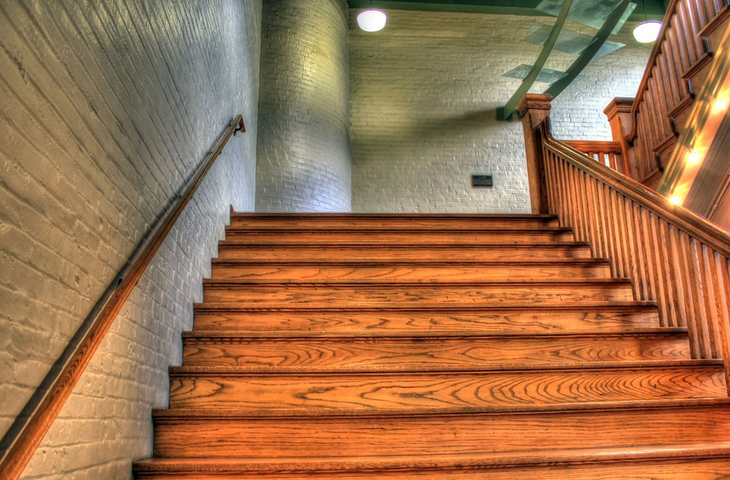
Keeping your stairs in top condition requires regular maintenance, attention to detail, and prompt repairs. By incorporating a cleaning routine, inspecting for wear and tear, addressing loose or damaged treads, maintaining handrails, preventing moisture damage, and replacing worn-out elements, you can keep your stairs both safe and functional. Taking care of your stairs not only prolongs their life but also ensures the safety of everyone who uses them.
