
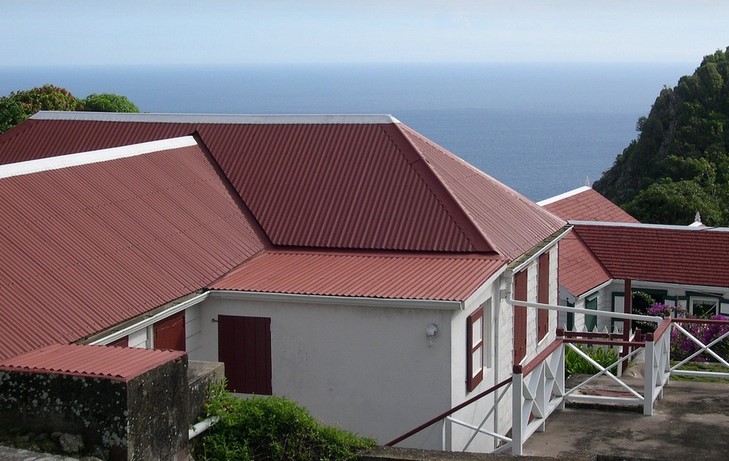
Your roof is your home’s first line of defense against the elements, and weather conditions can have a significant impact on its durability and performance. Whether it’s rain, snow, wind, or extreme heat, understanding how different weather patterns affect your roof is essential for proper maintenance and protection. By preparing your roof for the weather, you can avoid costly repairs and extend its lifespan. Here’s how weather conditions affect your roof and how you can prepare for each scenario.
High Winds and Storms
Posts on this site may contain sponsored content, paid link placements, or affiliate links. I may earn a commission or fee if you click a link or purchase through these recommendations at no additional cost to you.
Wind is another weather condition that can cause significant roof damage. High winds can lift shingles, crack tiles, or cause other materials to loosen, leaving your roof vulnerable to leaks. Storms with intense winds can also bring flying debris, such as tree branches or broken fences, which can puncture your roof. Inspect your roof regularly for loose or damaged shingles and tiles. Reinforce roof edges and corners where wind is most likely to cause damage. You can visit this site to prepare for storms and ensure your home is ready for severe weather. Trim overhanging tree branches to prevent them from breaking off and damaging your roof in a storm.
Impact of Heavy Rain
Heavy rainfall can be one of the most damaging weather conditions for your roof. It can cause water to pool in low-lying areas, leading to leaks and water damage inside your home. Roofs with clogged gutters or damaged flashing are especially vulnerable to rain, as water can seep through cracks or gaps. If your roof has weakened spots, constant exposure to rain can worsen the damage over time. Ensure your gutters and downspouts are clear of debris to allow water to flow freely. Regularly inspect your roof for cracks, missing shingles, or damaged flashing, and address these issues before the rainy season hits.
The Dangers of Snow and Ice
While snow may seem less damaging than rain, it can still create significant problems for your roof. Accumulated snow adds weight, which can strain your roof structure. When snow melts during the day and refreezes at night, ice dams can form along the roof’s edges, preventing proper drainage and causing water to back up under shingles. This trapped water can eventually leak into your home. Consider installing a roof heating cable to prevent ice dams from forming. Make sure your attic is properly ventilated to allow for a consistent temperature and to prevent snow from melting and refreezing. Keep the roof clear of heavy snow build-up to reduce strain.
Extreme Heat and Sun Exposure
Long periods of intense sun and heat can degrade your roof’s materials, especially if you have an asphalt or shingle roof. UV rays can cause shingles to crack, curl, or lose granules, which leads to reduced protection against rain and wind. Heat can also exacerbate issues with roofing materials that are already in poor condition. Consider installing a reflective coating on your roof to reduce heat absorption and protect against UV rays. Ensure your attic is properly ventilated to maintain a consistent temperature throughout the year, preventing excessive heat buildup.
Cold Temperatures and Frost
In colder climates, the freeze-thaw cycle can wreak havoc on your roof. As water enters small cracks in your roof and freezes, it expands, causing those cracks to widen. Over time, this can lead to significant damage, including leaks and compromised roofing materials. Cold weather can also make it more difficult to spot roof issues, as snow and ice may cover potential trouble spots. Regularly inspect your roof during the fall to address any cracks or vulnerabilities before the cold weather sets in. Ensure your attic is properly insulated to prevent heat from escaping, which can melt snow and ice, leading to further damage.
Humidity and Moisture
In areas with high humidity, constant moisture in the air can cause mold and mildew to form on your roof. This is especially common in older roofs or roofs with poor ventilation. Over time, mold can eat away at roofing materials, leading to rot and decay. Constant exposure to moisture can also affect the integrity of shingles and tiles. Ensure proper attic ventilation to keep moisture levels low and prevent mold growth. Inspect your roof regularly for signs of mold or mildew and clean it using appropriate methods to prevent buildup.
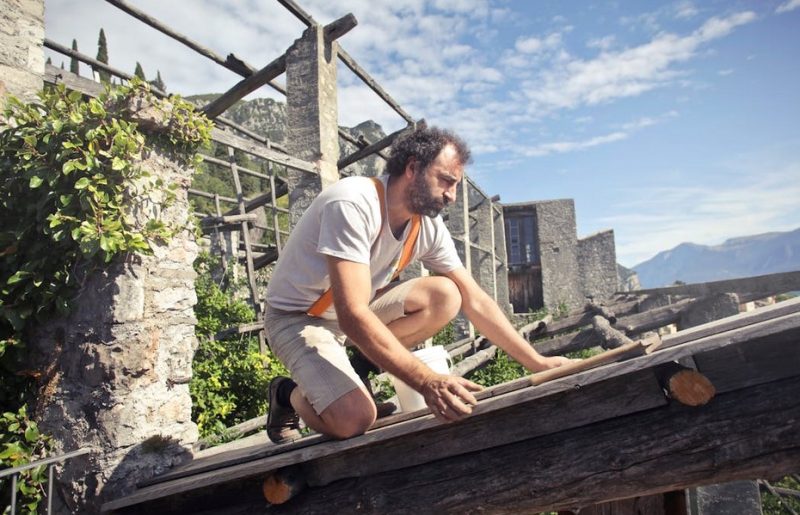
Weather conditions can have a lasting impact on the health and durability of your roof. By understanding how different weather elements affect your roof, you can take proactive steps to prepare and protect it. Regular inspections, maintenance, and timely repairs can help you avoid costly damage and extend the life of your roof. Keep an eye on the weather, and stay ahead of potential roofing issues by preparing for the conditions in your area.
